 EN
EN

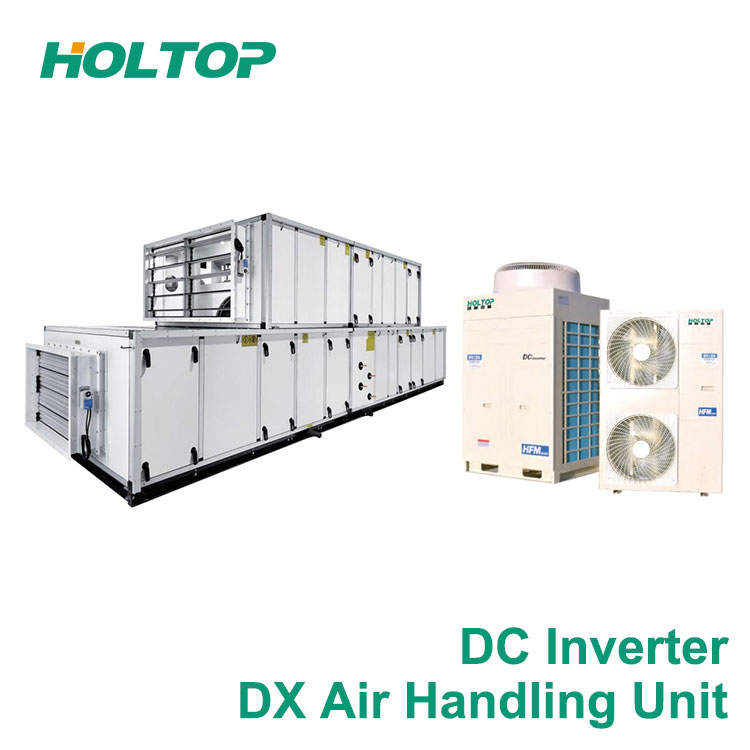
ប្រសិទ្ធភាពទំហំកន្លែង៖ របៀបដែលឧបករណ៍គ្រប់គ្រងខ្យល់ស្រស់បែបបញ្ឈរ អាចប្រើប្រាស់ទំហំកន្លែងយន្តសាស្ត្រដែលមានទំហំតូចប៉ុណ្ណោះឱ្យបានគ្រប់គ្រាន់បំផុត
កាត់បន្ថយទំហំផ្ទៃដីរហូតដល់ ៤២% ធៀបនឹងឧបករណ៍គ្រប់គ្រងខ្យល់ (AHUs) បែបផ្តេក
ឯកតាគ្រប់គ្រងខ្យល់ស្រស់ប៉ះផ្ទាល់ (FAHUs) ប៉ះផ្ទាល់ទៅលើគ្រប់គ្រងខ្យល់ស្រស់ សន្សំសាច់ដុំច្រើន ព្រោះវាប្រមូលផ្តុំគ្រឿងផ្សំនៅលើគ្នាទៅវិញទៅមក ជាជាងការរាយប៉ាយដេក។ ការសិក្សាមួយចំនួនបានបង្ហាញថា ឯកតាទាំងនេះអាចកាត់បន្ថយផ្ទៃដីដែលត្រូវការបានប្រហែល ៤០% ធៀបទៅនឹងគំរូប៉ះផ្ទាល់ដេកចាស់ៗ។ ឥឡូវនេះគ្មានការប្រើប្រាស់ផ្ទៃដីធំៗទៀតទេ ដែលកាន់កាប់ទីតាំងដែលមានតម្លៃខ្ពស់។ អាជីវកម្មអាចប្រើប្រាស់ទីតាំងបន្ថែមនេះសម្រាប់សកម្មភាពដែលបង្កើតប្រាក់ចំណេញពិតប្រាក់ ឬពង្រីកប្រតិបត្តិការនៅទីកន្លែងផ្សេងៗ។ ចំពោះអាគារដែលមានទីតាំងមានតម្លៃខ្ពស់ ដូចជាអាគារខ្ពស់នៅក្នុងទីក្រុង រោងចក្រចាស់ៗដែលកំពុងធ្វើការធ្វើអាទិភាពឡើងវិញ ឬអាគារដែលមានគោលបំណងច្រើន ទំហំតូចជាងនេះមានន័យថា ឯកតាទាំងនេះអាចដាក់ចូលបានយ៉ាងសមស្រប ដោយគ្មានការបន្ថយបរិមាណខ្យល់ស្រស់ដែលត្រូវបានចែកចាយ ឬប៉ះពាល់ដល់គុណភាពខ្យល់ក្នុងអាគារទេ។ លើសពីនេះទៀត ការដំឡើងទាមទារការគាំទ្ររចនាសម្ព័ន្ធដែលមានទម្ងន់ស្រាលជាង ដែលជួយកាត់បន្ថយថ្លៃដើមសរុបនៃការសាងសង់។ នេះធ្វើឱ្យ FAHUs ប៉ះផ្ទាល់ទៅលើគ្រប់គ្រងខ្យល់ស្រស់កាន់តែទាក់ទាញ នៅពេលដែលបន្ទប់មេកានិកត្រូវចែករំលែកទីតាំងជាមួយបន្ទាត់ផលិតកម្ម សារពើភ័ណ្ឌ ឬតំបន់ដែលបានជួលដល់អ្នកជួល។
ការបង្កើនប្រសិទ្ធភាពនៃចន្លោះបញ្ឈរក្នុងបរិយាកាសដែលមានកម្ពស់ទាប (ឧទាហរណ៍៖ មានកម្ពស់ផ្ទះល្វែង < ២,៣ ម៉ែត្រ)
នៅពេលដែលយើងធ្វើការជាមួយទីតាំងដែលមានកម្ពស់ទាប ដូចជា អាគារចាស់ៗ ជាន់ក្រោមដី ឬប៉ះដុំប្រើប្រាស់ ដែលកម្ពស់ផ្ទះល្វែងគ្រាន់តែលើសពីពីរម៉ែត្រប៉ុណ្ណោះ ប្រព័ន្ធប៉ាក់ខ្យល់ FAHU ប្រភេទបញ្ឈរនឹងប្រើប្រាស់ទីតាំងដែលមានកំណត់នេះបានប្រសើរជាង ជាជាងការកាន់កាប់ទីតាំងលើផ្ទៃដី។ ប្រព័ន្ធទាំងនេះត្រូវបានដាក់ជាប៉ែកៗលើគ្នា ហើយអាចដាក់ចូលទៅក្នុងជ្រុងតូចៗបានយ៉ាងសមស្រប ដែលប្រព័ន្ធប៉ាក់ខ្យល់ FAHU ប្រភេទផ្តេកបែបប្រពៃណីនឹងត្រូវការការកែប្រែផ្ទះល្វែងដែលថ្លៃ ឬការផ្លាស់ប្តូររចនាសម្ព័ន្ធអាគារ។ សម្រាប់ការជួសជុល វិធីសាស្ត្រនេះអាចរក្សាទិដ្ឋភាពដើមរបស់អាគារបានគ្រប់គ្រាន់ ខណៈដែលនៅតែបំពេញតាមតម្រូវការខ្យល់ស្រស់ដែលចាំបាច់ទាំងអស់។ លើសពីនេះទៀត ការរៀបចំប្រព័ន្ធប៉ាក់ខ្យល់តាមទិសបញ្ឈរក៏ធ្វើឱ្យការដាក់ប៉ះដុំខ្យល់កាន់តែងាយស្រួលផងដែរ។ អ្នកដែលដំឡើងបានរាយការណ៍ថា ពួកគេសន្សំពេលបានប្រហែលមួយភាគបី នៅពេលដំឡើងក្នុងទីតាំងដែលមានការរឹតបន្តឹង ដែលជាមូលហេតុដែលប្រព័ន្ធប៉ាក់ខ្យល់ប្រភេទបញ្ឈរទាំងនេះកំពុងក្លាយជាដែលពេញនិយមយ៉ាងខ្លាំងសម្រាប់គម្រោងដែលត្រូវការខ្យល់ស្រស់គ្រប់គ្រាន់តាមអាគារ ប៉ុន្តែទីតាំងមានការរឹតបន្តឹងខ្លាំង។
ការដំឡើងឯកតាប្រព័ន្ធគ្រប់គ្រងខ្យល់ស្រស់បញ្ឈរនៅក្នុងអាគារដែលមានទំហំតូច
ភាពជោគជ័យនៃការធ្វើបច្ចុប្បន្នភាព: ការបញ្ចូលឯកតាប្រព័ន្ធគ្រប់គ្រងខ្យល់ស្រស់បញ្ឈរនៅក្នុងអាគារប្រវែងខ្ពស់បែបបេតិកភណ្ឌដែលមានកម្ពស់ម៉ាស៊ីន ២,១ ម៉ែត្រ
នៅក្នុងទសវត្សរ៍ឆ្នាំ 1930 នៅពេលដែលពួកគេបានជួសជុលសាលធនាគារចាស់មួយនៅកណ្តាលទីក្រុង វិស្វករបានប្រឈមមុខនឹងបញ្ហាប្រឈមពិតប្រាកដមួយក្នុងការដំឡើងប្រព័ន្ធខ្យល់ចេញចូលថ្មីដោយមិនធ្វើឱ្យខូចរូបរាងប្រវត្តិសាស្ត្រ។ ពួកគេបានប្រើ FAHU បញ្ឈរជំនួសឱ្យអង្គភាពប្រពៃណី ពីព្រោះទាំងនេះអាចសមនឹងរន្ធសេវាកម្មដែលមានស្រាប់។ ការដំឡើងទាំងនេះអាចទទួលបានប្រហែល 98% នៃលំហូរខ្យល់ដែលត្រូវការ ខណៈពេលដែលនៅតែបំពេញតាមស្តង់ដារ ASHRAE 62.1 ដ៏តឹងរ៉ឹងទាំងនោះ។ ចំណុចល្អបំផុត? មិនចាំបាច់ប៉ះផ្នែកខាងមុខថ្មដើម ឬជញ្ជាំងម្នាងសិលាដ៏ស្រស់ស្អាតណាមួយដែលធ្វើឱ្យអគារនេះមានលក្ខណៈពិសេសនោះទេ។ របៀបដែលអង្គភាពទាំងនេះត្រូវបានតម្រង់ទិសបញ្ឈរមានន័យថាគ្មាននរណាម្នាក់ត្រូវរញ៉េរញ៉ៃជាមួយពិដានទាល់តែសោះ។ កម្មករថែទាំក៏ចូលចិត្តបន្ទះចូលខាងមុខដែរ ព្រោះពួកគេអាចផ្លាស់ប្តូរតម្រង និងធ្វើការត្រួតពិនិត្យជាប្រចាំដោយមិនចាំបាច់ដំឡើងរនាំងនៅក្នុងកន្លែងចង្អៀតទាំងនោះ។ គម្រោងនេះបានបង្ហាញយ៉ាងច្បាស់ថា ខ្យល់ចេញចូលល្អមិនចាំបាច់ចំណាយលើការអភិរក្សប្រវត្តិសាស្ត្រនោះទេ។
ករណីប្រើប្រាស់សម្រាប់ការសាងសង់ថ្មី៖ ការដំឡើងនៅក្នុងប៉ះទីតាំងកណ្ដាលដោយគ្មានការពង្រឹងរចនាសម្ព័ន្ធ
នៅក្នុងការសាងសង់អគារខ្ពស់ថ្មីៗ ប្រព័ន្ធគ្រឿងបរិក្ខារដែលផ្តល់ខ្យល់ស្រស់ (FAHU) ប៉ះទង្គិចតាមបណ្ដោយ (vertical FAHUs) ត្រូវបានដំឡើងកាន់តែច្រើនឡើងៗដោយផ្ទាល់នៅក្នុងប៉ះទង្គិចប្រើប្រាស់កណ្ដាល (central utility shafts) កំឡុងពេលសាងសង់ផ្នែកសំខាន់ (core build-out)។ អគារផ្ទះល្វែង ៤០ ជាន់ ដែលបានសាងសង់ថ្មីៗនេះ បានប្រើយុទ្ធសាស្ត្រនេះដើម្បីជៀសវាងការចំណាយ ៧៤០,០០០ ដុល្លារអាមេរិក សម្រាប់ការពង្រឹងរចនាសម្ព័ន្ធ (Ponemon Institute, 2023)។ ការប្រមូលផ្តុំឯកតាប៉ះទង្គិច (Modular unit assembly) ត្រូវបានសម្របសម្រួលជាមួយដំណាក់កាលសាងសង់ ដែលបានធ្វើឱ្យពេលវេលាសាងសង់លឿនជាងមុនបានបីសប្តាហ៍។ អត្ថប្រយោជន៍សំខាន់ៗរួមមាន៖
- ការចែកចាយទម្ងន់ស្មើគ្នាលើជញ្ជាំងទ្រទ្រ
- ការលុបបំបាត់បន្ទប់រោងបច្ចេកទេស (plant rooms) ដែលបានកំណត់ជាក់លាក់
- ការបញ្ចូលផ្ទាល់នៃប៉ះទង្គិចប៉ះទង្គិច (ductwork) តាមរយៈប្រហោងនៅលើជាន់
វិធីសាស្ត្រនេះបានរក្សាការផ្តល់ខ្យល់ស្រស់ ១០០% ដោយមិនប៉ះពាល់ ហើយបានរំដោះទំហំផ្ទៃ ១៥% នៅលើជាន់បច្ចេកទេសសម្រាប់សេវាកម្មដែលអ្នកជួលចូលចិត្ត — ដែលជាអត្ថប្រយោជន៍យ៉ាងច្បាស់លាស់នៅក្នុងការអភិវឌ្ឍន៍ទីក្រុងដែលមានសារធាតុដីតូចៗ។
សមត្ថភាព និងភាពអាចអនុវត្តបាន៖ ហេតុអ្វីបានជាការដំឡើងតាមបណ្ដោយ (Vertical Orientation) មិនប៉ះពាល់ដល់ការផ្តល់ខ្យល់ស្រស់
FAHU ប៉ុងបញ្ឈរផ្តល់នូវសមត្ថភាពខ្យល់បរិសុទ្ធ ដែលគ្មានការធ្វើបាក់បែកតាមរយៈការរចនាដែលបានធ្វើឡើងជាពិសេស។ ការរៀបចំជាប៉ុងបញ្ឈររបស់ពួកគេរក្សាទីតាំងដែលអាចធ្វើឱ្យខ្យល់ហូរបានដោយសេរី៖ ម៉ាស៊ីនប៉ុម តម្រង និងគូល ត្រូវបានរៀបចំជាប៉ុងបញ្ឈរដោយគ្មានការរារាំងសមត្ថភាព ហើយការរចនាដែលទាន់សម័យបានកាត់បន្ថយការធ្លាក់សម្ពាធ ស្តាទីក (static pressure) ឱ្យបានតិចបំផុត ដើម្បីឱ្យសមស្របនឹង FAHU ប៉ុងផ្តេក ក្នុងចំនួនដងនៃការផ្លាស់ប្តូរខ្យល់ក្នុងមួយម៉ោង (ACH)។
ប្រសិទ្ធភាពថាមពលត្រូវបានកើនឡើងដោយសារការកាត់បន្ថយការប្រឆាំងផ្នែកមេកានិក តាមរយៈការរៀបចំគ្រឿងបរិក្ខារដែលបានប៉ះប៉ូវយ៉ាងល្អ។ ប្រព័ន្ធគ្រប់គ្រងល្បឿនអថេរ (Variable-speed drives) ឆ្លើយតបយ៉ាងរហ័សទៅនឹងតម្រូវការជាក់ស្តែង ដែលកាត់បន្ថយការប្រើប្រាស់ថាមពលនៅពេលដែលប្រើប្រាស់ក្រោមសមត្ថភាពពេញលេញ។ ក្រាបនៃម៉ាស៊ីនប៉ុមត្រូវបានកំណត់ឱ្យសមស្របជាពិសេសសម្រាប់រូបរាងប៉ុងបញ្ឈរ ដើម្បីធានាការផ្តល់ខ្យល់ខាងក្រៅឱ្យមានស្ថេរភាព និងគាំទ្រការគោរពតាមគោលការណ៍គុណភាពខ្យល់ខាងក្នុង (IAQ) ជាបន្តបន្ទាប់។
ភាពធន់នៅពេលប្រតិបត្តិការត្រូវបានបង្កើតឡើងដោយផ្ទាល់៖ ការតម្រងជាប៉ុន្មានជំហាននៅតែអាចចូលប្រើបានទាំងស្រុងតាមរយៈផ្ទៃខាងមុខសម្រាប់សេវាកម្ម; ផ្នែកគូល (coil sections) ទប់ទល់នឹងការប្រមុលរំអិល (frost accumulation) នៅពេលដែលប្រើក្នុងរបៀបអាកាសធាតុត្រជាក់; និងផ្ទៃទិន្នផលដែលត្រូវបានរចនាជាពិសេស (engineered drain pans) ការពារការរក្សាទុកសំណើមនៅក្នុងរូបរាងដែលមានទំហំតូច។ ការសាកល្បងនៅរោងចក្រចំពោះផ្ទៃខាងក្រៅ (factory-tested casings) កំណត់ការរួញចូលនៃខ្យល់ឱ្យមានកម្រិតទាបជាង ១% ដើម្បីរក្សាបាននូវប្រសិទ្ធភាពការផ្ទេរកំដៅ និងស្ថេរភាពសម្ពាធ—ទោះបីជាក្នុងការប្រើប្រាស់ដែលទាមទារខ្ពស់ក៏ដោយ។
ការថែទាំនៅតែអាចធ្វើបានយ៉ាងសាមញ្ញ និងសុវត្ថិភាព។ គ្រប់គ្រឿងផ្សំសំខាន់ៗទាំងអស់—រួមទាំងតម្រង (filters), គូល (coils), និងប្រព័ន្ធបើកបរ (drive systems)—អាចចូលដែលបានដោយគ្មានការអនុញ្ញាតឱ្យចូលទៅក្នុងទីកន្លែងដែលមានការរឹតបន្តឹង (confined-space entry permits)។ ការសាងសង់បែបម៉ូឌុល (modular construction) ធ្វើឱ្យការសេវាកម្មកាន់តែរលូន ខណៈដែលម៉ូទ័រដែលមានប្រសិទ្ធភាពខ្ពស់ និងគ្មានរបារ (belt-free motors) ពន្យារពេលសេវាកម្ម។ ទ្វារចូលប្រើប្រាស់តាមគោលការណ៍អេកូណូមិក (ergonomic protocols) ដើម្បីគាំទ្រការថែទាំដែលមានប្រសិទ្ធភាព និងអាចធ្វើម្តងទៀតបានយ៉ាងស្ថិតស្ថេរ ตลอดរយៈពេលដែលអាគារមានសារប្រយោជន៍។
សំណួរញឹកញាប់
តើអ្វីជាអត្ថប្រយោជន៍សំខាន់ៗនៃម៉ាស៊ីនគ្រប់គ្រងខ្យល់ស្រស់បែបបញ្ឈរ (Vertical Fresh Air Handling Units)?
FAHU ប៉ុងប៉ាក់ (Vertical FAHUs) សន្សំទំហំបានច្រើនដោយការដាក់គ្រឿងផ្សំឱ្យស្តែកលើគ្នា ដែលធ្វើឱ្យកាត់បន្ថយទំហំផ្ទៃដីដែលត្រូវប្រើបានរហូតដល់ ៤២% ហើយធ្វើឱ្យវាក្លាយជាជម្រើសល្អបំផុតសម្រាប់បរិយាកាសដែលមានទំហំតិច។ ពួកវាក៏ត្រូវការការគាំទ្ររចនាសម្ព័ន្ធតិចជាងមុន ដែលនាំឱ្យថ្លៃសាងសង់សរុបថយចុះ។
តើ FAHU ប៉ុងប៉ាក់ (Vertical FAHUs) អាចរក្សាការផ្តល់ខ្យល់ស្រស់ទៅក្នុងអាគារដែលមានម៉ាស៊ីនទាបបានឬទេ?
បាទ/ចាស FAHU ប៉ុងប៉ាក់ (Vertical FAHUs) ត្រូវបានរចនាឡើងដើម្បីប្រើប្រាស់ទំហំបញ្ឈរឱ្យបានប្រសើរបំផុតក្នុងបរិយាកាសដែលមានទំហំបញ្ឈរតិច ដែលអាចដាក់ចូលទៅក្នុងជ្រុងតូចៗបាន ដោយនៅតែរក្សាបានស្តង់ដារខ្យល់ចូលដែលត្រូវការ ដោយគ្មានការផ្លាស់ប្តូររចនាសម្ព័ន្ធអាគារទាំងមូល។
តើ FAHU ប៉ុងប៉ាក់ (Vertical FAHUs) មានប្រសិទ្ធិភាពក្នុងការប្រើប្រាស់ថាមពលឬទេ?
FAHU ប៉ុងប៉ាក់ (Vertical FAHUs) មានប្រសិទ្ធិភាពក្នុងការប្រើប្រាស់ថាមពល ដោយសារការប្រើប្រាស់ថាមពលតិច និងលក្ខណៈរចនាដែលទាន់សម័យ ដូចជាប្រព័ន្ធគ្រប់គ្រងល្បឿនប្រែប្រួល (variable-speed drives) ដែលធានាបាននូវការសន្សំថាមពលក្នុងពេលដែលប្រើប្រាស់ក្រោមសមត្ថភាពតិច។
FAHU ប៉ុងប៉ាក់ (Vertical FAHUs) ធានាបាននូវការថែទាំយ៉ាងងាយស្រួលយ៉ាងដូចម្តេច?
FAHU ប៉ែតទិសដេក រួមបញ្ចូលនូវធាតុរចនា ដូចជា ផ្ទៃខាងមុខសម្រាប់សេវាកម្ម និងការសាងសង់បែបម៉ូឌុល ដែលអនុញ្ញាតឱ្យចូលប្រើប្រាស់បានយ៉ាងងាយស្រួល ដោយគ្មានការត្រូវការអាជ្ញាប័ណ្ណចូលទៅក្នុងទីកន្លែងដែលមានការរឹតត្បិត ហើយជួយសម្រួលដល់ការថែទាំបានយ៉ាងមានប្រសិទ្ធភាព និងសុវត្ថិភាព។
ទំព័រ ដើម
- ប្រសិទ្ធភាពទំហំកន្លែង៖ របៀបដែលឧបករណ៍គ្រប់គ្រងខ្យល់ស្រស់បែបបញ្ឈរ អាចប្រើប្រាស់ទំហំកន្លែងយន្តសាស្ត្រដែលមានទំហំតូចប៉ុណ្ណោះឱ្យបានគ្រប់គ្រាន់បំផុត
- ការដំឡើងឯកតាប្រព័ន្ធគ្រប់គ្រងខ្យល់ស្រស់បញ្ឈរនៅក្នុងអាគារដែលមានទំហំតូច
- សមត្ថភាព និងភាពអាចអនុវត្តបាន៖ ហេតុអ្វីបានជាការដំឡើងតាមបណ្ដោយ (Vertical Orientation) មិនប៉ះពាល់ដល់ការផ្តល់ខ្យល់ស្រស់
-
សំណួរញឹកញាប់
- តើអ្វីជាអត្ថប្រយោជន៍សំខាន់ៗនៃម៉ាស៊ីនគ្រប់គ្រងខ្យល់ស្រស់បែបបញ្ឈរ (Vertical Fresh Air Handling Units)?
- តើ FAHU ប៉ុងប៉ាក់ (Vertical FAHUs) អាចរក្សាការផ្តល់ខ្យល់ស្រស់ទៅក្នុងអាគារដែលមានម៉ាស៊ីនទាបបានឬទេ?
- តើ FAHU ប៉ុងប៉ាក់ (Vertical FAHUs) មានប្រសិទ្ធិភាពក្នុងការប្រើប្រាស់ថាមពលឬទេ?
- FAHU ប៉ុងប៉ាក់ (Vertical FAHUs) ធានាបាននូវការថែទាំយ៉ាងងាយស្រួលយ៉ាងដូចម្តេច?