 EN
EN

Core Functional Differences: Air Movement vs. Heat Removal
How an Air Handler Moves and Conditions Air Without Cooling
Air handlers work by moving and conditioning the air inside buildings, but they don't actually cool things down using refrigerants like traditional AC units do. These systems typically have a powerful fan that pushes air through all those ducts around the house or office, while special filters trap stuff like dust, pollen, and other tiny particles floating in the air. Some models come with extra features too. Manufacturers often include options such as humidifiers when dry winter air is a problem, dehumidifiers for damp climates, germ killing UV lights, or advanced electronic air cleaners that grab even smaller contaminants. What makes air handlers different from standard cooling equipment is that they can't drop temperatures through that complicated process where refrigerants change states. Instead, they act as the main delivery system for forced air heating and ventilation setups, handling tasks like warming up spaces, circulating fresh air, and filtering out impurities without needing any refrigeration at all.
How an Air Conditioner Removes Heat Using Refrigerant and a Condensing Unit
Air conditioners work by pulling heat out of indoor air through what's called a closed loop refrigerant system. The compressor inside the unit pushes refrigerant gas under pressure toward the outdoor condenser coil, where all that captured heat gets dumped into the surrounding air. Back indoors, this cooled liquid refrigerant then expands and turns back into vapor within the evaporator coil, grabbing both sensible heat (the actual temperature) and latent heat (moisture content) from the air moving past it. During hot summer days, this whole process can drop indoor temps anywhere between 15 to 20 degrees Fahrenheit. Since AC systems rely on getting rid of heat outdoors, they need their own separate condensing unit placed outside, which also means they only run when needed rather than year round. Most standard units don't do much for air quality either, usually just having simple fiberglass or pleated filters at best. And while running, they might take away some moisture from the air incidentally, but there's really no built-in way to actively manage humidity levels like proper dehumidifiers do.
Physical Design and Component Roles in Air Handler vs Air Conditioner Systems
Blower, Evaporator Coil, and Cabinet: The Air Handler’s Key Components
The basic setup of an air handler revolves around three main parts inside a cabinet designed to reduce noise: there's a variable speed blower motor, an evaporator coil, plus spots to attach extra stuff like heaters or better filters if needed. The blower keeps air moving consistently through all those ducts throughout the building. Meanwhile, the evaporator coil usually consists of copper tubes wrapped with aluminum fins. When it connects to something like a heat pump or AC unit, this coil helps transfer heat back and forth between the refrigerant lines. What's interesting is that air handlers themselves don't actually have compressors or hold any refrigerant charges. Instead, they're built to be flexible modules that fit well in different spaces and keep noise levels down indoors. Plus, they work just as well with heating systems as they do with cooling ones. Because of these features, air handlers become really useful components in full HVAC setups where managing airflow, filtering contaminants, and adjusting temperature need to happen separately from where the actual heating or cooling takes place.
Compressor, Condenser Coil, and Refrigerant Loop: The Air Conditioner’s Cooling Engine
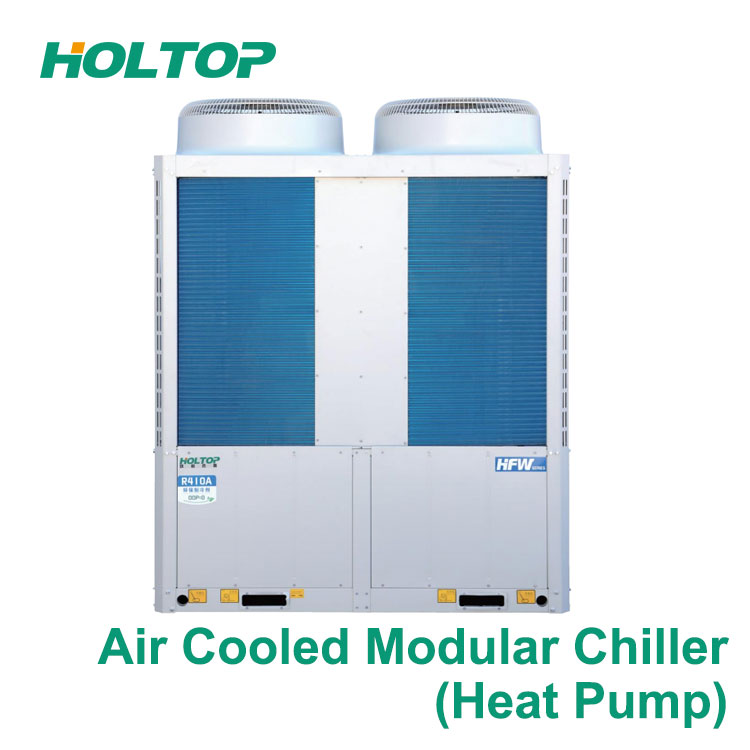
An outdoor AC unit works like a compact refrigeration machine with three main parts working together: the compressor (which is actually sealed tight), the finned condenser coil, and all the tubing that contains the refrigerant. What happens first is the compressor takes the gaseous refrigerant and cranks up the pressure, which makes it hotter so it can give off heat through the condenser coil. The fan pulls regular outside air over these coils to take away all that extra heat. After that, the refrigerant goes back inside as a pressurized liquid, all set to pick up more heat from inside at the evaporator coil. Getting good efficiency really depends on how big those coils are, whether the right amount of refrigerant was put in initially, and if there's enough air moving through everything. Units that are too small tend to run in short bursts and put stress on the compressor when things get hot outside. These outdoor units need somewhere to dump heat, unlike air handlers which can work independently indoors for cooling purposes.
Installation, Operation, and Seasonal Use Patterns
Indoor Air Handler Placement vs. Outdoor Air Conditioner Installation
Air handlers typically go inside buildings like basements, attics, those little mechanical rooms, or crawl spaces where they stay safe from rain and snow while keeping the house quiet. These systems need good access to ducts running through walls and ceilings, plus electricity connections and somewhere to drain away water that builds up during operation. When we talk about air conditioners though, things change completely. The big metal box that sits outside needs to sit on flat ground with some kind of base that stops vibrations from spreading everywhere. Make sure there's at least 18 to 24 inches of open space around all sides so hot air can escape properly. Putting these units outside means dealing with sun glare, plants growing too close, and potential flood damage too. Something else worth mentioning is that technicians can't charge the refrigerant or start up the system unless the temperature stays above 60 degrees Fahrenheit (about 15 Celsius). This basically means air conditioners won't work right when it gets too cold outside, unlike air handlers which don't have this problem.
Year-Round Air Handler Functionality vs. Seasonal Air Conditioner Duty Cycles
Air handlers work all year round, adjusting to what each season brings. They push warm air from furnaces or heat pumps during cold months, cool air from AC units or heat pumps when it's hot outside, and handle filtering or adding moisture to the air in between seasons. The blower kicks on every time the thermostat senses a need for temperature change or better air quality, helping keep things comfortable inside no matter what's happening outside. Air conditioners are different though. These systems stick to pretty strict schedules, usually turning on only when temps go above 60 degrees Fahrenheit. Below that point, they sit idle to prevent frozen coils and those annoying low pressure issues. So while ACs take a break in spring, fall, and winter, air handlers keep going, maintaining proper airflow and cleaning the air we breathe. When it comes to upkeep, these two systems need different attention. For air handlers, changing filters every three months and checking coils once a year makes sense. Air conditioners need their condensers cleaned before summer starts, plus regular checks on refrigerant levels and electrical connections to stay in good working order.
System Integration: When Air Handlers and Air Conditioners Work Together or Stand Alone
When it comes to modern HVAC systems, air handlers and air conditioners typically work together in what's known as a split system setup, which has become pretty much standard for central air conditioning installations. The indoor unit handles air circulation over its evaporator coil, whereas the outdoor unit gets rid of the collected heat through its condenser coils. Refrigerant moves back and forth between these units via those insulated copper pipes, creating the whole cooling cycle we all know and rely on. What makes this layout so effective is that it provides good ducted cooling throughout homes and buildings, plus gives the air handler room to do extra jobs too. Many systems incorporate features such as air filters, humidity controls, or even supplemental heating elements right into the same unit.
Air handlers work on their own in different setups across the industry. When connected to a heat pump system, these units handle both heating and cooling needs simply by changing how refrigerant moves through the system, which means no extra furnace or AC unit is needed. During those transitional seasons like spring or fall when temperatures aren't too extreme, air handlers can still function without any heating element at all, keeping airflow going, filtering out contaminants, and managing moisture levels inside buildings. Air conditioners tell a different story though. They just won't run by themselves. An indoor blower component becomes necessary, whether it's an air handler or a furnace equipped with what technicians call an A-coil. This basic difference matters a lot in real world installations. Think of air handlers as general purpose tools for managing indoor air quality, whereas air conditioners are basically specialized machines designed specifically for cooling tasks that need help from other equipment to get the job done properly.
FAQ
Can air handlers cool air?
No, air handlers do not cool air using refrigerants. They move and condition air and are part of the heating and ventilation setups.
Do air conditioners manage humidity?
While air conditioners can remove some moisture from the air, they do not actively manage humidity levels like dedicated dehumidifiers.
Where should an air handler be installed?
Air handlers should be placed inside the building, such as in basements, attics, mechanical rooms, or crawl spaces where they are protected from weather.
How do air handlers and air conditioners work together?
In a split system setup, air handlers circulate air over an evaporator coil, while air conditioners remove heat through outdoor condenser coils. They together form a complete cooling cycle.