 EN
EN

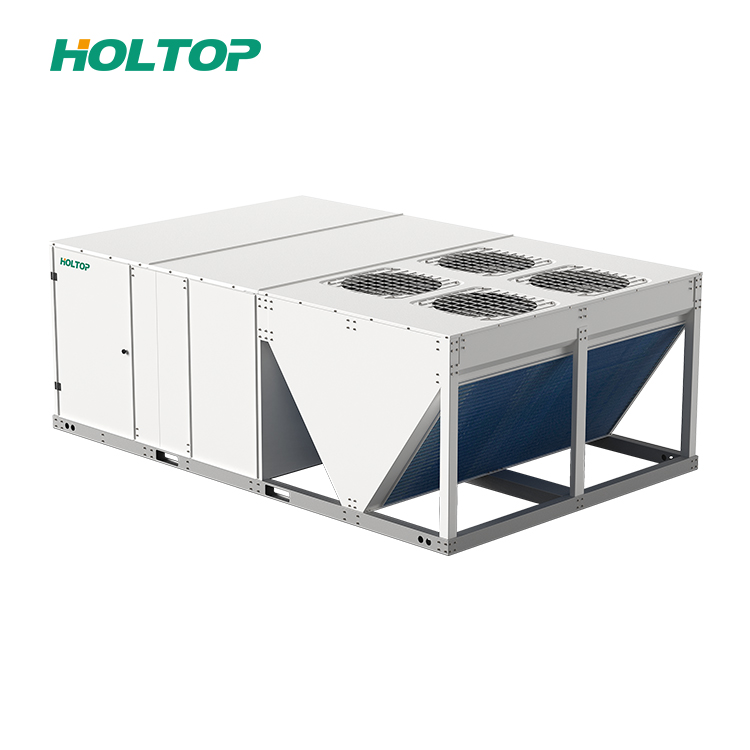
Understanding AHU Types: CRAC vs. CRAH for Data Center Cooling
Core differences between CRAC and CRAH units in operation and design
The cooling approaches used by Computer Room Air Conditioners (CRAC) and Computer Room Air Handlers (CRAH) are quite distinct from each other. Traditional CRAC units work similarly to regular air conditioners, employing refrigerant compression cycles. The process involves cooled refrigerant absorbing heat from hot server exhaust air. On the other hand, CRAH systems take a different approach through chilled water coils. As air moves across these coils, it gets cooled down without needing any refrigerant cycling at the actual location. What makes this interesting is how CRAHs can connect directly to centralized chiller plants, which tends to make them more energy efficient overall. Looking at thermal efficiency data, we find that CRAC systems generally eat up around 30% more power for every ton of cooling they provide. That's why many data centers opt for CRAH solutions when running large scale operations where efficiency matters most.
Application scenarios: When to choose CRAC vs. CRAH in data centers
For smaller server rooms that don't exceed 500kW capacity, CRAC units work really well because they're easier to install and come with lower initial costs, which makes them great choices when upgrading older facilities. On the flip side, CRAH systems need a bigger investment at first but shine in larger data centers where power consumption goes beyond 1 megawatt. These water cooled systems handle those dense server configurations much better than air based alternatives, especially when dealing with rack densities ranging from 15 to 30 kilowatts per cabinet area. The savings on ongoing maintenance and energy bills over time often justify the higher purchase price. Some companies actually find success with mixed approaches too. They'll let CRAH take care of regular cooling needs while keeping CRAC units on standby for those busy periods when extra cooling power becomes necessary. This kind of setup gives businesses both room to grow and adapt as their computing demands change.
Integration of AHUs with broader HVAC components in data center environments
Getting good results from air handling units really comes down to how well they tie into all the other systems in place. The CRAC and CRAH equipment actually function best when part of smart airflow management setups like those hot/cold aisle containment systems everyone talks about. According to some ASHRAE research, these containment methods can boost cooling effectiveness anywhere from 25% to 40% in data centers. These units don't work in isolation either. They need to talk to the building's automation system so operators can tweak conditions on the fly. CRAH units typically link up with chilled water systems and cooling towers, whereas CRACs usually hook into condenser loops. When everything connects properly, we see better temperature consistency throughout server areas, cut down on wasted power, and maintain those critical thermal conditions servers depend on for reliable operation.
Ensuring Reliability and Redundancy for Continuous Data Center Uptime
Designing AHU systems for high availability and fault tolerance
Data centers designed for high availability typically implement either N+1 or 2N redundancy configurations in their air handling units (AHUs) so cooling continues even when something goes wrong. When the main system component breaks down, spare units kick in automatically to keep things from overheating. Facilities rated Tier III or IV generally maintain around 99.98% to nearly 99.995% operational time thanks to these setups, which saves companies millions since every hour of downtime can cost over a million dollars. Some important components are fans and compressors powered by two separate sources, airflow channels separated to isolate problems, plus sensors constantly monitoring how everything is performing. All these pieces work together to create systems that tolerate failures while still letting technicians perform repairs without shutting anything down completely.
Balancing redundancy with energy efficiency in AHU configurations
Getting redundancy right without sacrificing energy efficiency is something facility managers constantly grapple with. Variable frequency drives, or VFDs for short, have become game changers in this area. These devices can actually slow down fans when there's less need for cooling, which cuts energy consumption anywhere from 25% to 30% during those times when demand drops off. Modular air handling unit designs offer another solution. With these systems, only the necessary components run as workload increases, keeping that extra layer of protection we call N+1 redundancy intact while still managing power usage effectiveness, or PUE for anyone who hasn't heard the term before. Smart control systems take things even further by kicking in backup equipment only when temperatures start creeping past safe limits. Facilities that implement all these strategies together tend to see real improvements. Some of the best data centers out there now report PUE scores under 1.2, which is pretty impressive considering industry averages hover around 1.6 or higher.
Optimizing Energy Efficiency and PUE Through Strategic AHU Selection
How AHU choice impacts Power Usage Effectiveness (PUE)
The choice of Air Handling Units has a major impact on Power Usage Effectiveness or PUE, which basically measures how much total facility energy goes toward powering IT equipment versus everything else. Cooling systems alone take up around 30 to 40 percent of the overall energy budget. That's why getting good AHUs with variable frequency drives and electronically commutated fans makes such a difference. These units can cut down on extra power usage by almost a third in some cases. When the airflow matches where the heat is coming from in server racks, those big compressors don't need to kick in as often, which obviously saves energy. For every ten percent drop in cooling requirements, we generally see about a 0.07 improvement in PUE scores. Smart placement of these air handling units across data centers leads to real money savings without compromising on keeping things at safe operating temperatures.
Case study: High-efficiency AHUs driving PUE reduction in Tier III data centers
One particular Tier III data center managed to cut its Power Usage Effectiveness (PUE) down from 1.62 all the way to 1.35 over just 18 months after they invested in new Air Handling Units. What made the difference? They installed variable frequency drive equipped units, implemented smart machine learning systems that adjusted cooling based on actual server demand at any given moment, and sealed off airflow paths so cold and hot air wouldn't mix together. The numbers tell quite a story too: cooling energy consumption dropped by nearly 28%, saving well over $240k each year, while also cutting carbon emissions equal to taking 85 passenger vehicles off local roads. All this was accomplished while still maintaining that critical 99.982% uptime requirement for their operations. So clearly, when it comes to modern facilities, investing in efficient AHU technology isn't just good for the bottom line but also does wonders for environmental impact.
Sizing, Scalability, and Space Planning for Future-Proof AHU Deployment
Right-sizing AHUs for current and projected data center cooling loads
Getting the right size for air handling units is essential if we want to avoid wasting energy and keep things running smoothly. When AHUs are too big, they just turn on and off all the time which actually makes them less efficient. On the flip side, units that are too small can't handle the heat when demand spikes, leading to potential system failures. Proper sizing requires looking at what the IT equipment is putting out right now plus where it might be headed in the next few years. Rack densities have been climbing steadily these days, some going well past 20kW per rack. We also need to factor in redundancy requirements such as N+1 configurations. Monitoring systems in real time allows facilities managers to match their cooling capacity with actual demand patterns. This approach typically cuts down on capital expenditures somewhere between 15% to 30%, while keeping operations efficient whether loads are light or heavy.
Modular AHU designs to address space constraints and support scalability
Modular AHU systems provide compact and scalable options that work great when space is tight or when facilities are growing. The factory tested units can be deployed in stages. First modules handle basic requirements while extra units get added later as the workload grows. What makes these systems stand out is that each module runs on its own, so maintenance doesn't mean shutting everything down. They also support what's called N+1 redundancy at individual components. Standard connections between modules make it easy to integrate them into existing setups and upgrade later when needed. Going modular saves around 35 to 40 percent off installation time compared to traditional methods. Plus it stops companies from buying way more equipment than they actually need right now, matching their capacity exactly to what the business demands.
Leveraging Smart Controls and Airflow Management for AHU Efficiency
Integrating AHUs with intelligent control systems (e.g., IDCM) for real-time optimization
When air handling units get connected to smart control systems such as IDCM, they can make those real time adjustments we all need so much these days. The systems basically have sensors watching out for things like temperature levels, how humid it is inside, and what's happening with the airflow patterns. Based on what they see, these systems will automatically tweak fan speeds and adjust damper positions where needed. What makes them really stand out though are those predictive algorithms that actually figure out when extra cooling might be required during busy periods. This kind of foresight helps cut down on overall energy consumption somewhere around 30 percent according to most reports. Many data centers that have implemented such solutions tell stories about their Power Usage Effectiveness metrics dropping from roughly 1.6 down to about 1.4 over time. Having controls that react quickly to whatever changes come along just makes sense for anyone looking to improve efficiency while keeping operations running smoothly through all sorts of environmental fluctuations.
Airflow containment strategies to maximize AHU cooling performance
Keeping airflow contained through methods like hot aisle or cold aisle isolation stops warm and cool air from getting mixed together, which makes those AHUs work better overall. The idea is simple really: direct the cool stuff right where it needs to go at the equipment inlets while grabbing hold of all that hot exhaust before it spreads everywhere. Studies show this approach can bump up cooling effectiveness somewhere between 25% and maybe even 40%. For anyone looking to implement these systems, there are several things worth doing first. Seal those gaps around cables properly, put in some blanking panels wherever racks aren't fully loaded, and consider investing in floor tiles that regulate pressure underneath. Add smart control systems into the mix too, and facilities rated Tier III can expect to save roughly 20% on wasted energy. This combination works well for data centers needing to handle higher density loads without breaking the bank on power costs.
FAQ
What does AHU stand for in HVAC systems?
AHU stands for Air Handling Unit, a vital component in HVAC systems responsible for regulating and circulating air.
What's the difference between CRAC and CRAH units?
CRAC units use refrigerant cycles to cool air, whereas CRAH units utilize chilled water coils for cooling, making CRAH typically more energy-efficient.
When should a data center choose CRAH over CRAC?
CRAH units are ideal for larger data centers requiring over 1 megawatt of power consumption, offering better handling of dense server configurations and higher efficiency.
What is PUE and why is it important?
PUE or Power Usage Effectiveness measures the energy efficiency of a data center, indicating how much energy is used by IT equipment compared to the total energy consumed by the facility.
Table of Contents
- Understanding AHU Types: CRAC vs. CRAH for Data Center Cooling
- Ensuring Reliability and Redundancy for Continuous Data Center Uptime
- Optimizing Energy Efficiency and PUE Through Strategic AHU Selection
- Sizing, Scalability, and Space Planning for Future-Proof AHU Deployment
- Leveraging Smart Controls and Airflow Management for AHU Efficiency
- FAQ