 EN
EN

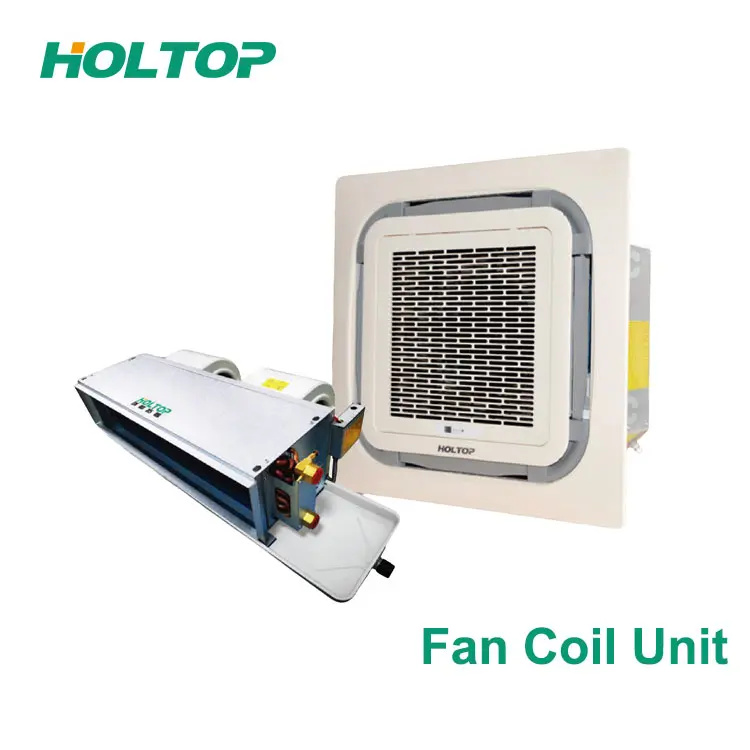
Airflow Issues in Fan Coil Units: Causes and Fixes
Clogged Air Filters Restricting Airflow
Clogged air filters probably rank as number one on the list when it comes to airflow problems in those fan coil units we all know as FCUs. When dust builds up inside these systems, it can really pack a punch to the system's performance. The static pressure goes way up sometimes by half or more, which means less cooling power gets delivered while the fans work harder than they should, ultimately costing more in electricity bills. For regular maintenance, checking filters once a month makes good sense, and replacing them roughly every three months becomes necessary, particularly where there are lots of people around or where dust tends to accumulate naturally. Businesses would do well to bring in professionals for service checks at least once every quarter. These experts can get rid of stubborn particles that just won't budge during normal cleanings, something that matters quite a bit for keeping HVAC systems running efficiently over time.
Dirty Evaporator or Condenser Coils Reducing Efficiency
When coils get dirty, heat transfer drops dramatically. Just a thin layer of grime or biofilm can cut thermal efficiency down by around 30 to 40 percent, which means compressors have to work harder for longer periods, eventually leading to faster wear and tear on mechanical parts. Most facilities find that doing a thorough cleaning once a year with good quality non-corrosive cleaner brings systems back to their best performance levels. Places in really humid areas often need to check things out twice a year though, because mold and algae tend to build up pretty quickly in those evaporator sections. While servicing the coils, techs should always take a look at refrigerant levels too. If refrigerant is low, it actually makes problems worse since it leads to more ice forming on coils and creates even bigger efficiency issues down the road.
Fan Motor Failures, Blade Damage, or Imbalance
Motor failure accounts for 23% of FCU breakdowns, often triggered by voltage instability, insufficient lubrication, or overheating. Audible symptoms include grinding, rattling, or inconsistent operation. Bent or warped fan blades introduce imbalance, increasing vibration and motor strain. Effective mitigation includes:
- Annual bearing lubrication using manufacturer-approved oils
- Biannual capacitor and electrical connection testing
- Immediate blade replacement upon visible damage
- Installation of whole-unit surge protection to guard against power fluctuations
Condensate Drain Failures and Water Leakage in Fan Coil Units
Blocked or Improperly Sloped Condensate Drain Line
Clogged or improperly pitched condensate drain lines cause 74% of FCU water leaks, per industry maintenance data. Algae, sediment, or debris obstruct flow, while slopes less than the recommended 1/4 inch per foot promote pooling in drain pansâleading to overflow and water damage. Prevention relies on three consistent actions:
- Monthly drain line clearing using compressed air or vacuum-assisted tools
- Verification of slope alignment against OEM specifications
- Installation of properly sized drain traps to maintain siphon integrity and prevent airlock
Coil Freezing Due to Low Refrigerant or Airflow Problems
Evaporator coil freezing occurs when refrigerant charge falls below optimal levels or when airflow drops significantlyâoften from clogged filters or restricted ductwork. Upon thawing, excess meltwater overwhelms drain capacity, causing leaks and potential ceiling or structural damage. Preventive diagnostics include:
- Quarterly refrigerant pressure checks and recharging if levels fall more than 10% below factory specs
- Ensuring sustained airflow of at least 400 CFM per ton of cooling capacity
- Bi-monthly filter inspectionâand replacement when pressure drop exceeds 0.5 inches WG
Temperature Inconsistency and Electrical Faults in Fan Coil Units
Fan Coil Unit (FCU) temperature irregularities typically originate in control system failures or underlying electrical defects, directly impacting thermal regulation and occupant comfort.
Malfunctioning Thermostat or Control Board Communication Errors
Inaccurate ambient sensing or disrupted communication between thermostats and control boards leads to erratic cycling, delayed response, or complete output failure. Common causes include wiring faults, electromagnetic interference, or firmware glitches. Resolution steps include:
- Quarterly thermostat recalibration and sensor validation
- Continuity testing of low-voltage control wiring
- Factory reset of control boards after confirming hardware integrity
Proactive calibration reduces temperature-related service calls by 34%, according to HVAC Tech Review (2023).
Loose Wiring, Tripped Breakers, or Power Supply Instability
Loose terminations, corroded contacts, or voltage transients frequently trigger protective shutdownsâhalting FCU operation without warning. Infrared thermography of terminal blocks during annual maintenance identifies hotspots before failure. Critical safeguards include:
- Tightening all electrical connections to 5â7 Nm torque specification
- Installing UL-listed surge protection at both panel and unit levels
- Monitoring supply voltage stability where brownouts or surges exceed 10% of nominal rating
Electrical faults drive 30% of FCU failures, with unstable power increasing component degradation rates by 50%, as reported in the Building Systems Journal (2023).
Operational Anomalies: Noises, Odors, and Declining Performance
The following section elaborates on usual operational anomalies:
When FCUs start making strange noises, give off bad smells, or just don't perform as well over time, these are warning signs something might be going wrong mechanically or maybe even growing microbes somewhere. A grinding sound usually means worn out bearings, while a rattling noise could indicate that the motor isn't aligned properly or perhaps the fan blades are out of balance. Those musty, sour smells we sometimes get? They typically come from mold and bacteria growing in areas where water sits around too long, especially in wet evaporator coils or those drain pans nobody remembers to clean. When an FCU starts putting out less cool air or rooms feel warmer than they should, this often happens because of dirty coils building up, losing refrigerant charge, or simply parts getting old. Getting ahead of these problems before they get worse makes all the difference. Check those bearings and belts once a year, get the coils cleaned every six months or so, and make sure the drain lines slope correctly so water doesn't pool there. Studies suggest that regular maintenance can reduce unexpected breakdowns by about 40 percent when compared to waiting until things break down first.
FAQs
Why do clogged filters cause airflow issues in FCUs?
Clogged air filters increase static pressure, which reduces cooling power and makes fans work harder, thereby lowering efficiency and increasing energy costs.
What are the signs of fan motor failure in FCUs?
Audible symptoms like grinding or rattling noises and inconsistent operation often indicate fan motor failure.
How often should refrigerant levels be checked?
Refrigerant levels should be checked quarterly, especially if levels fall more than 10% below factory specifications.
What causes temperature inconsistencies in FCUs?
Temperature inconsistencies can be due to malfunctioning thermostats, control board communication errors, or electrical faults.
How can water leakage in FCUs be prevented?
Regularly clearing drain lines, aligning slopes with OEM specifications, and using proper drain traps can prevent water leakage.