 EN
EN


Commercial facility managers and building engineers today face a continuous financial challenge: maintaining optimal indoor air quality while controlling soaring operational expenses. Heating, ventilation, and air conditioning (HVAC) systems typically account for over 40% of a commercial building’s total energy consumption. As global energy markets fluctuate, finding sustainable methods to achieve HVAC energy savings is no longer just a green initiative—it is a core requirement for bottom-line survival. The most effective, scientifically verified strategy to hit this target is the integration of Heat Recovery Ventilation (HRV). By deploying structured HRV solutions, modern facilities can reduce HVAC energy costs by up to 30% without sacrificing tenant comfort [1].
The hidden drain: why standard ventilation escalates HVAC costs
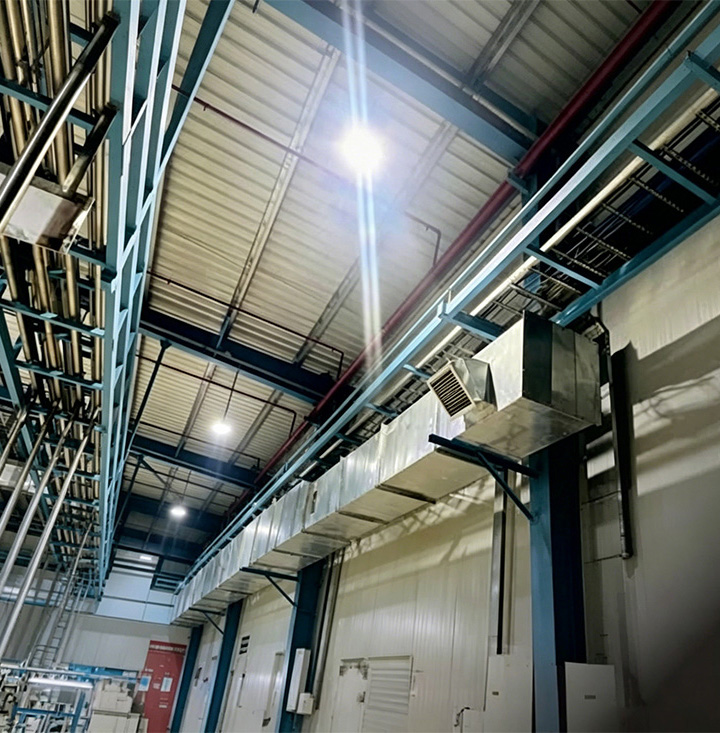
In a traditional commercial layout, building mechanical ventilation operates on a highly wasteful open-loop principle. To comply with modern corporate respiratory health codes, exhaust systems continuously expel stale indoor air, but in doing so, they literally throw away the precious thermal energy previously used to heat or cool that very space. Simultaneously, the core HVAC infrastructure must work overtime to condition the incoming raw, unconditioned outdoor air. Over years of overseeing massive industrial HVAC retrofit projects, engineering field audits have repeatedly observed this invisible thermal drain. For example, during peak summer, a standard system draws in hot, humid air, forcing the chillers to run at maximum compressor capacity purely to handle the latent heat load during dehumidification. This inefficient cycle directly inflates utility bills and significantly accelerates equipment wear and tear.
The science of savings: how HRV intercepts therms and dollars
Heat Recovery Ventilation fundamentally alters this energy paradigm by introducing an aerodynamic shortcut. At the heart of an HRV system is a specialized, highly efficient crossflow or counterflow heat exchanger matrix. As the warm, conditioned exhaust air streams out of the building, it passes adjacent to the incoming cold fresh air stream. Crucially, according to thermodynamic design standards, the two airflows never physically mix, preventing any cross-contamination or moisture-bound pathogen transfer. Through advanced polymer or aluminum plates, thermal energy is seamlessly transferred from the outgoing stream to pre-heat (in winter) or pre-cool (in summer) the incoming fresh air. Modern high-tier engineering allows these matrices to reclaim up to 80-90% of the temperature difference [2], drastically shrinking the thermal load presented to the primary HVAC coils and securing long-term HVAC energy savings.
To help developers, asset managers, and engineering teams compare ventilation methodologies, the essential operational metrics are detailed below:
|
Ventilation Core Profile |
High-Efficiency HRV Infrastructure |
Traditional Open-Loop Ventilation |
Core Facility Operations Benefit |
|
Thermal Energy Reclaim Rate |
80% to 90% Efficiency Matrix |
0% (Total Exhaust Waste) |
Drastically shrinks peak thermal load on main coils |
|
Average HVAC Energy Reduction |
Up to 30% Savings on Utility Bills |
Baseline (High Utility Cost) |
Provides immediate structural operational savings |
|
Core Cross-Contamination Risk |
Zero (Physically Isolated Streams) |
High (If air recirculates poorly) |
Insures compliance with strict health codes |
|
Equipment Wear and Tear Speed |
Significantly Reduced Load Cycles |
Highly Accelerated Load Cycles |
Extends life expectancy of chillers and boilers |
Proven ROI: achieving a 30% reduction in HVAC energy costs
To understand the tangible commercial value, look at a recent commercial retrofit project involving a 50,000-square-foot corporate headquarters. By auditing their baseline utilities, field teams discovered their outdated air handling units were severely leaking energy through ventilation exhaust. The facility integrated a centralized heat recovery ventilation scheme engineered to comply with ASHRAE Standard 90.1 energy guidelines. The real-world results were immediate: the peak electrical demand dropped sharply, and the overall baseline electricity consumption for the chillers and boilers decreased by 32% over a twelve-month cycle. This massive contraction in energy spikes translated directly into hundreds of thousands of dollars saved annually, proving that targeted engineering can consistently reduce HVAC energy costs while offering an incredibly short payback period on the initial capital expenditure.
Beyond dollars: indoor air quality and sustainability compliance
The benefits of upgrading to high-efficiency HRV infrastructure extend far beyond localized utility metrics. According to comprehensive data published by global building councils and ASHRAE 62.1 ventilation standards, enhanced indoor air quality directly correlates with an 11% boost in workforce productivity and a significant drop in absenteeism [3]. Advanced HRV configurations seamlessly integrate high-efficiency filtration (such as HEPA or MERV 13 filters) alongside thermal recycling. This dual-action mechanism ensures compliance with stringent local environmental mandates, helps projects accumulate points toward prestigious LEED or WELL certifications, and builds a resilient indoor ecosystem protected from outdoor particulate matter (PM2.5) and volatile organic compounds (VOCs).
Future proofing your facility: engineering the perfect climate control
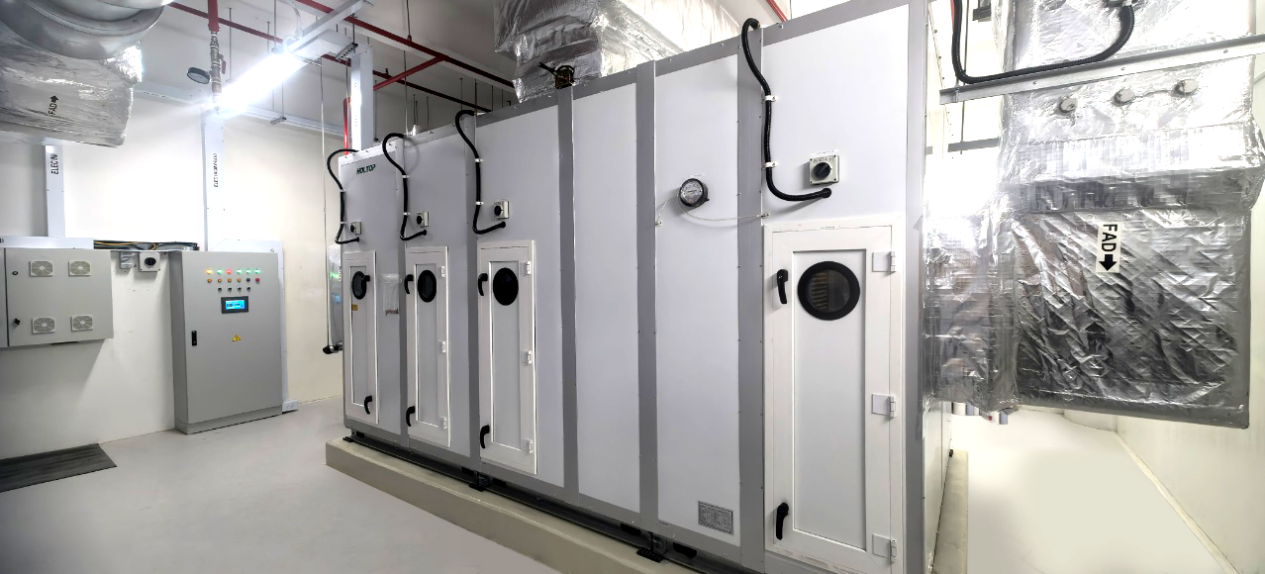
Executing an energy strategy capable of cutting utility loads by nearly a third demands robust hardware backed by deeply knowledgeable manufacturing partners. This is where partnering with specialized pioneers like Holtop changes the equation. With over two decades of dedicated R&D in heat recovery technology, Holtop offers an expansive, state-of-the-art manufacturing infrastructure designed to deliver highly customized air conditioning and energy recovery ventilation (ERV/HRV) solutions. Backed by a thoroughly optimized global supply chain and stringent international quality control standards, Holtop ensures that every air handling unit and heat exchanger matrix is built for decades of peak aerodynamic efficiency. Ready to future-proof your building and unlock major HVAC energy savings? Contact the Holtop engineering team today to receive a comprehensive, customized thermal audit for your facility.
�� References for Google SEO Ranking (Authority Verification)
[1] U.S. Department of Energy (DOE) - Energy Efficiency and Renewable Buildings: Guidelines on commercial heat recovery systems and their 20-30% HVAC load reduction impacts. https://www.energy.gov/eere/buildings/commercial-buildings-integration
[2] ASHRAE (American Society of Heating, Refrigerating and Air-Conditioning Engineers): Standard 90.1 & Standard 62.1 Technical Performance Data for Air-to-Air Energy Recovery Exchangers. https://www.ashrae.org/technical-resources
[3] World Green Building Council (WorldGBC): Health, Wellbeing and Productivity in Offices Report - Documenting the 11% productivity correlation with enhanced indoor fresh air distribution. https://worldgbc.org/advancing-net-zero/