 EN
EN

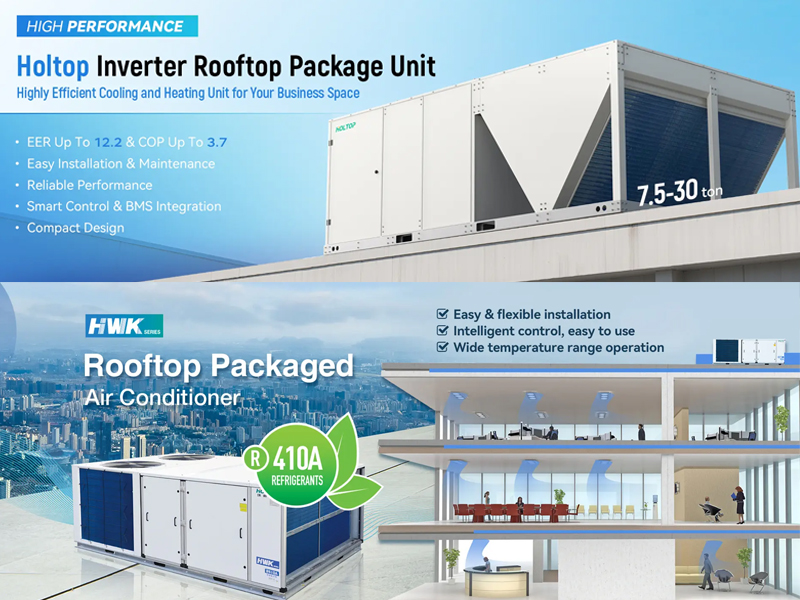
The Engineering of Energy Efficient AC Unit Air Handlers for Industrial Facilities
For facility managers and plant engineers, the air handling unit is the engine room of the factory's climate control system. It is responsible for delivering cooled, filtered air to every corner of the production floor. However, in an industrial setting, the demands on this system are immense. The AC unit air handler must battle the intense heat generated by machinery, the constant ingress of outdoor air, and the strict temperature requirements of sensitive manufacturing processes. Traditional air handlers, designed for simple on/off operation, often consume far more electricity than necessary. Modern engineering has introduced a suite of energy-saving technologies that fundamentally reshape how these units operate. By upgrading to intelligent motor controls, variable speed drives, and energy recovery systems, industrial facilities can dramatically cut their energy bills while improving the consistency and reliability of their climate control. Understanding these technologies is the first step toward building a more efficient and cost-effective production environment.
The Power of Precision: EC Motors and Variable Frequency Drives
The most significant leap forward in air handler efficiency has been the widespread adoption of electronically commutated motors. Unlike older permanent split capacitor motors, which run at a single fixed speed and rely on mechanical dampers to restrict airflow, EC motors use integrated electronics to adjust their speed continuously. This capability is crucial in a factory, where the cooling load fluctuates wildly throughout the day. When the production line is running at full capacity, the system needs maximum airflow. During off-hours or when outdoor temperatures are mild, the demand drops significantly. An EC motor automatically slows down to match this reduced demand, consuming a fraction of the electricity of a full-speed motor. This variable speed control translates directly into substantial annual energy savings and reduces wear on the motor bearings. Similarly, a Variable Frequency Drive acts as a sophisticated throttle for the fan motor. By adjusting the frequency and voltage, it can modulate the fan speed from zero to one hundred percent, eliminating the waste associated with running at full speed and dumping excess air through bypass dampers. When these two technologies are combined, the fan system becomes a dynamic, demand-responsive component of the factory infrastructure.
Reclaiming Energy and Optimizing Airflow
Beyond the fan motor, the air handler can be equipped with systems that recycle the thermal energy already present in the building. Energy recovery wheels and plate heat exchangers capture the heating or cooling energy from the exhaust air that is being vented out of the factory. In a typical industrial facility, a vast amount of conditioned air is continuously exhausted to remove fumes, dust, and process heat. By transferring the thermal energy from this exhaust stream to the incoming fresh air, the recovery system significantly reduces the load on the cooling compressor. In the summer, the incoming hot outside air is pre-cooled by the exhaust air. In the winter, the incoming cold air is pre-heated. This process allows the facility to install a smaller, less powerful cooling system or to run the existing system much less frequently. The efficiency of the air handler is also profoundly impacted by the air filters. The higher the efficiency of the filter, the greater the resistance to airflow. This resistance forces the fan to work harder. By carefully selecting a high-efficiency filter that is designed with a deep-pleated, extended surface area, facility managers can achieve excellent particulate capture while maintaining a very low pressure drop. The fan consumes less energy, and the indoor air quality remains high.
Customizing the System for Factory Specific Conditions
A standard air handler design is rarely sufficient for the complex environment of a modern factory. To achieve true energy efficiency, the system must be customized to the specific layout and operational patterns of the facility. One of the most effective customization strategies is zoned air distribution. Instead of cooling the entire factory floor to a uniform temperature, the system can be configured with multiple independent zones. The air handler can be programmed to deliver precise cooling only to areas where production is active, while allowing unoccupied zones to drift to a higher, energy-saving temperature. This demand-based control eliminates the waste of cooling empty spaces. In factories with very high ceilings, thermal stratification is a persistent challenge. Warm air naturally rises and becomes trapped at the ceiling level, creating a significant temperature gradient. This forces the cooling system to overwork in an attempt to lower the temperature at the floor level. High-bay air delivery strategies, such as high-throw supply nozzles or fabric duct systems, are designed to force cooled air directly down into the occupied worker zone. This disrupts the stratification and allows the facility to maintain comfortable floor-level temperatures without needing to cool the entire volume of the high-ceilinged space.
Making the Financial Case for Modernization
The decision to upgrade an industrial air handler is a financial one, and the return on investment is often compelling. Real-world deployments across diverse industries consistently demonstrate that integrating EC motors, VFDs, and energy recovery leads to significant annual reductions in HVAC electricity consumption. The cost of the upgrade is often recovered within a few years through lower utility bills. Beyond the direct energy savings, the modernization delivers additional financial benefits. The soft-start capability of VFDs reduces the mechanical shock on the motors and belts, extending the lifespan of the equipment and reducing maintenance expenditures. The improved temperature control also enhances product quality and reduces waste in temperature-sensitive manufacturing processes. For facility managers, these upgrades transform the air handler from a recurring operating expense into a strategic asset that actively contributes to the company's bottom line.
How Quality Manufacturing Ensures System Reliability
The success of any energy-efficient air handler upgrade ultimately depends on the quality of the engineering and manufacturing. The precise calibration of the control algorithms, the durability of the variable frequency drives, and the airtightness of the heat recovery wheels all determine how well the system will perform. Manufacturers who adhere to strict quality management systems, such as ISO 9001, subject every unit to rigorous performance testing before it leaves the factory. They use high-grade materials and precision machining to ensure that the mechanical components will withstand years of continuous operation. For a facility manager who is making a significant capital investment in a new air handler, partnering with a disciplined, quality-focused manufacturer provides the ultimate confidence that the equipment will deliver its promised energy savings and perform reliably for decades.