 EN
EN

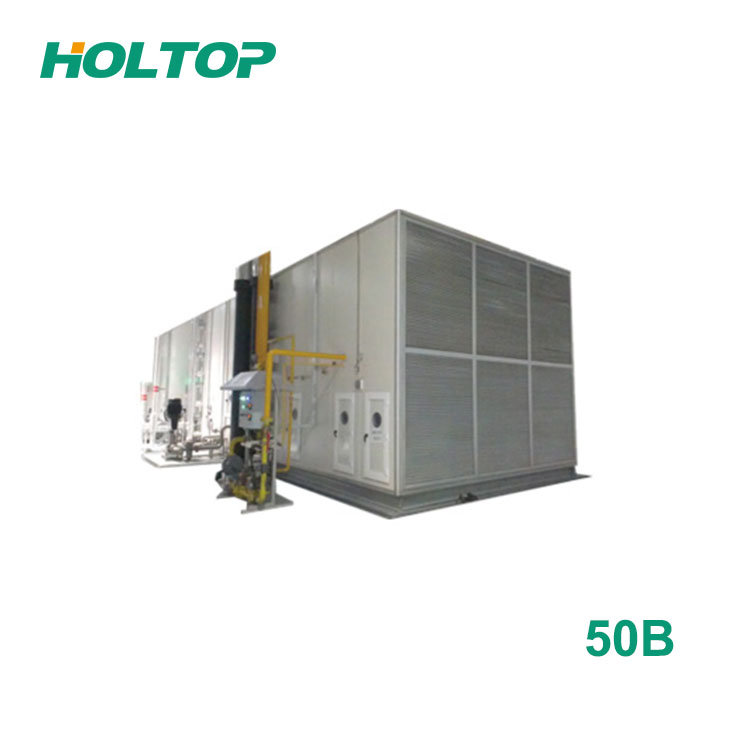
Meeting Hygienic Standards with Industrial Food Factory Ventilation Systems
For food safety managers and plant engineers, the ventilation system is far more than a comfort feature. It is a critical line of defense against contamination. In a food production environment, airborne particles, pathogens, and moisture are constant threats. A poorly designed ventilation system can allow bacteria to settle on exposed product, create condensation that fosters mold growth, and spread odors from one zone of the factory to another. The consequences of a ventilation failure are severe, ranging from product recalls to costly regulatory penalties. A hygienic ventilation system is engineered specifically to address these risks. It combines high air change rates, carefully controlled pressure relationships, and advanced filtration to maintain a clean, safe environment that protects the integrity of the food being produced. Understanding the core requirements of these systems is essential for achieving and maintaining compliance with rigorous food safety standards.
Air Changes Per Hour: Matching Airflow to Risk Level
The most fundamental parameter of a hygienic ventilation system is the air change rate. This metric measures how many times the entire volume of air in a room is replaced with fresh, filtered air every hour. A high air change rate is the primary mechanism for diluting and removing airborne contaminants. However, not all areas of a food factory require the same level of ventilation. A risk-based approach is used to determine the appropriate air change rate. In high-care zones, such as a ready-to-eat sandwich assembly line or a cooked meat slicing area, the risk of product contamination is extremely high. These areas require high air change rates to rapidly evacuate any potential pathogens introduced by workers or processes. In lower-risk areas, such as raw material handling or vegetable washing, a moderate air change rate is sufficient. The design of the ventilation system must also account for specific process demands. Areas that generate significant heat, steam, or dust may require higher air change rates or supplementary local exhaust to manage the localized contaminant load.
Pressure Control: Creating a Clean-to-Dirty Airflow Gradient
In addition to air volume, the direction of airflow is a critical control point in hygienic ventilation. The goal is to ensure that air always moves from the cleanest areas of the factory to the less clean areas. This is achieved through a system of pressure differentials. A high-care zone, which must be protected from contamination, is maintained under positive pressure. This means the air pressure inside the room is slightly higher than the pressure in the adjacent corridor. When a door is opened, the positive pressure forces air to flow out of the room, preventing unfiltered air from entering. Conversely, raw material handling areas, which are a source of dust and potential contaminants, are often kept under negative pressure. This ensures that any airborne particles generated in the area are drawn into the exhaust system and do not drift into the more sensitive production areas. These pressure cascades establish a physical barrier that actively prevents cross-contamination.
Filtration Strategies for Pathogen and Particle Control
The air supplied to the production environment must be free of contaminants. This is accomplished through a multi-stage filtration system. The workhorse of pathogen removal is the High-Efficiency Particulate Air filter. These filters are engineered to capture a high percentage of particles from the airstream, including bacteria, mold spores, and fine dust. In critical zones, HEPA filters serve as the final line of defense, ensuring that the air reaching the product is virtually sterile. To extend the life of the expensive HEPA filters, they are preceded by lower-cost pre-filters with a MERV rating. These pre-filters remove the bulk of larger particles, such as flour dust and lint, allowing the HEPA filter to focus on capturing the smaller, more hazardous particles. Regular testing is essential to verify the integrity of the filters and to detect any leaks that could compromise the system's performance.
UV-C Sterilization for Continuous Air Disinfection
For an additional layer of protection, ultraviolet-C light is increasingly being integrated into food factory ventilation systems. UV-C light is a powerful tool for inactivating airborne microorganisms. When installed inside the ductwork or air handling unit, UV-C lamps continuously sterilize the recirculated air as it passes through. The light penetrates the cell walls of bacteria and viruses, disrupting their DNA and rendering them unable to reproduce. This technology provides continuous disinfection without the use of chemicals. It is particularly valuable in areas where mold is a persistent problem, such as bakeries or dairy processing facilities. When combined with particulate filtration, UV-C creates a comprehensive barrier that significantly reduces the microbial load in the production environment.
The Role of Local Exhaust in High-Heat and High-Odor Processes
While general ventilation dilutes contaminants throughout a room, local exhaust ventilation captures them directly at the source. This is essential for processes that generate high levels of steam, smoke, or strong odors. In a bakery, for example, the ovens and proofers produce enormous quantities of steam. If this steam is not captured immediately, it will raise the humidity of the entire facility, creating ideal conditions for mold growth on walls and ceilings. Local exhaust hoods positioned directly over the oven openings capture the steam before it can spread. In meat processing, local exhaust is used to remove the odorous fumes generated during cooking or smoking. These systems are designed to create a capture velocity that overcomes the natural thermal rise of the hot air. By removing contaminants at their source, local exhaust reduces the overall load on the general ventilation system and prevents odors and humidity from migrating into other zones of the factory.
Managing Humidity for Quality and Safety
Ventilation also plays a critical role in managing humidity levels within the food factory. In cold storage and refrigerated areas, high humidity can lead to condensation on equipment and surfaces, which promotes microbial growth and product spoilage. The ventilation system must provide dehumidified air to keep these areas dry. In processing areas, the system must have the capacity to remove the excess moisture generated by cooking and cleaning processes. High humidity can also cause food powders to clump and stick to equipment, creating sanitation challenges. A well-designed system maintains the relative humidity within the optimal range for each specific zone, protecting both the product and the facility's infrastructure.
Validation and Compliance with Food Safety Standards
The effectiveness of a hygienic ventilation system cannot be assumed; it must be proven through a formal validation process. This process involves conducting rigorous tests to verify that the system meets the performance specifications required by food safety regulations. The validation tests measure the air change rates, verify the pressure differentials between zones, and confirm the integrity of the HEPA filters. The results of these tests are documented and form part of the facility's compliance dossier. To maintain compliance, the system must be subject to ongoing monitoring and periodic re-validation. This continuous verification ensures that the ventilation system consistently provides the level of protection required to produce safe food.
How Quality Manufacturing Ensures Hygienic Performance
The long-term reliability of a food factory ventilation system is founded on the quality of its engineering and manufacturing. The airtightness of the ductwork, the precision of the control dampers, and the integrity of the filter housings all contribute to the system's ability to maintain pressure differentials and deliver clean air. Manufacturers who adhere to recognized quality standards, such as ISO 9001, subject their equipment to rigorous leak testing and performance validation. They use materials that are resistant to corrosion and easy to clean, minimizing the risk of contamination from the ventilation system itself. For a facility manager who must guarantee the safety of their production environment, partnering with a disciplined, quality-focused manufacturer provides the ultimate confidence that the ventilation system will perform reliably under compliance scrutiny.