 EN
EN

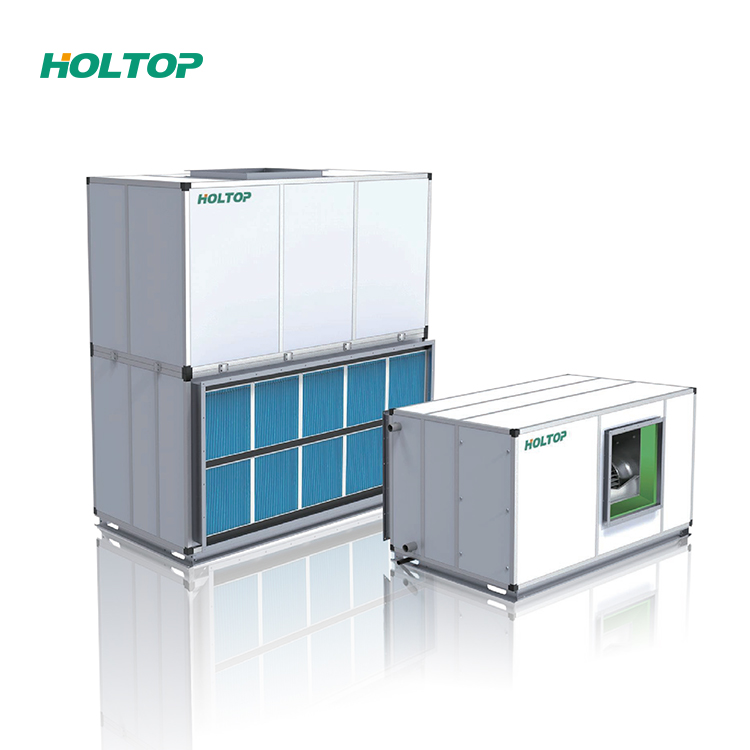
How a Makeup Air Unit Restores Pressure Balance and Replaces Exhausted Air
The Depressurization Problem: Why Modern Tight Buildings Need MUA
Energy efficient buildings these days are built to keep air from leaking out, which creates tight sealed spaces where exhaust systems get stuck. When people run their kitchen range hoods, bathroom fans, or industrial machinery that pushes air outside, something called negative pressure starts building up pretty fast. Ventilation research shows this can reach about 50 Pa within just three minutes sometimes. What happens next is pretty problematic. The vacuum effect draws in unfiltered outdoor air through tiny cracks in walls, messes with chimney flue directions, and puts extra strain on heating and cooling systems. For those working with spray booths, the problem gets worse because the pressure drop leads to paint overspray getting everywhere and ruining finishes. Most buildings don't have proper makeup air units installed, so even if they follow all the codes, there's still real danger of combustion issues plus faster wear and tear on the structure itself from these pressure problems.
Core Function: Continuous, Tempered Air Replacement and Static Pressure Control
Makeup air units work against the negative pressure created when exhaust fans pull air out of buildings by bringing in just the right amount of fresh outdoor air. These engineered systems do something passive vents can't they keep pressure differences within about 5 Pa using variable speed blowers and automatic dampers that adjust as needed. The incoming air gets warmed or cooled to match what's inside the building, which is super important for factories and workshops since OSHA requires working temps between 68 and 76 degrees Fahrenheit. When these units replace the air that gets sucked out at the same rate it leaves, they stop dangerous backdrafts from happening and cut down on HVAC strain by roughly 30 percent compared to letting uncontrolled outside air leak in. This balance means exhaust equipment runs better and workers breathe cleaner air without any risk to their health or comfort.
Preventing Back-Drafting and Ensuring Combustion Safety with a Makeup Air Unit
Risk Mitigation: How MUA Eliminates Negative Pressure Around Gas Appliances
Gas appliances like water heaters and furnaces need good venting pressure to get rid of dangerous stuff from burning gas, including carbon monoxide. When buildings are really tight and sealed up well, the exhaust system might actually beat out the natural airflow coming in through cracks and gaps. This creates negative pressure inside that makes the exhaust go backward instead of out, pulling harmful gases right back into where people live or work. That's what we call back drafting, and it's pretty serious business. Installing a correctly sized Makeup Air Unit helps fix this problem by bringing in fresh outside air continuously so everything works how it should. The vents stay clear and safe for everyone around them. For places with lots of exhaust happening all day long, think commercial kitchens or laundry facilities, getting this right isn't just important, it's absolutely necessary for keeping workers and customers breathing clean air.
Code Compliance: NFPA 54/96 and ASHRAE 62.2 Requirements for MUA Integration
The rules around building safety really push for proper MUA installation to stop dangerous combustion situations from happening. Take NFPA 54, also known as the National Fuel Gas Code it basically says we need to match the amount of makeup air with what gets exhausted from gas appliances. Then there's NFPA 96 which deals specifically with commercial kitchens. This one gets pretty specific about engineered MUA solutions whenever kitchen hoods pull more than 400 cubic feet per minute. Restaurants with big grills and fryers definitely fall into this category. ASHRAE 62.2 has similar requirements for smaller homes too. When exhaust systems in houses pull more air out than naturally comes in through cracks and windows, balanced ventilation becomes mandatory. All these regulations focus on keeping air pressure levels right so dangerous gases don't get sucked back into buildings. Contractors who skip on MUA installations put people at risk for carbon monoxide poisoning, create fire dangers, and end up breaking important building codes. Nobody wants those problems.
Maintaining Indoor Air Quality in High-Performance, Low-Leakage Buildings
CO₂, Humidity, and Pollutant Buildup Without Adequate Makeup Air Unit Capacity
When buildings are too tightly sealed, they can trap carbon dioxide at levels over 1000 ppm which affects thinking ability according to EPA standards. At the same time, when humidity gets past 60%, mold starts growing faster than normal. Spaces that rely mostly on exhaust without enough fresh air coming in tend to collect all sorts of bad stuff like chemicals from cleaners and formaldehyde off-gassing from construction materials. Indoor pollution levels often end up being two to five times worse than what's found outside, based on research worldwide about indoor air quality. The solution lies in proper ventilation systems that bring in clean outside air while removing contaminated indoor air at rates recommended by ASHRAE standard 62.1. This kind of balanced approach keeps harmful substances from building up inside enclosed spaces.
Smart Integration: Zoned MUA Systems Paired with UL 1995–Certified IAQ Sensors
Modern buildings often use zoned makeup air systems that work together with those special IAQ sensors certified under UL 1995 standards. The sensors keep track of carbon dioxide levels, dust particles in the air, and how moist the environment is, then they adjust the airflow just in specific areas where it's actually needed. Take kitchens in commercial settings for instance these zones kick in extra fresh air when the range hoods are running at full blast during busy meal times. Meanwhile, meeting spaces get their ventilation boost only when people show up, thanks to occupancy detectors watching the room activity. This kind of smart system cuts down wasted energy somewhere between 15% to maybe even 30% compared to older systems that just run all the time. Plus, it keeps indoor CO2 concentrations well below that 800 ppm threshold most experts consider acceptable. While these integrated solutions definitely improve air quality, building managers still need to check regularly to make sure everything works as intended without creating pressure issues inside the structure.
Critical Applications Demanding Engineered Makeup Air Unit Solutions
Makeup air units (MAUs) are absolutely essential in environments where there's a lot of exhaust going on if we want to keep things safe and compliant with regulations. Take commercial kitchens for instance they really need special MAUs because those big hood systems pull out between 1500 to 10000 cubic feet per minute of air. Without proper replacement air, the kitchen ends up with negative pressure problems that let dangerous carbon monoxide from gas ovens backdraft into the space, which breaks NFPA 96 rules. Labs and hospitals face similar challenges but with different requirements. Their MAUs must be configured just right to handle fume hoods while keeping positive pressure in sterile areas so nothing gets contaminated across rooms. For industrial spray booths, the situation calls for explosion proof MAUs that can replace over 20000 CFM with HEPA filtered air. This helps get rid of harmful VOCs and meets OSHA standards. Manufacturing plants dealing with combustible dust also depend on MAUs built with spark resistant materials to maintain balanced pressure levels and stop dust buildup according to NFPA 652 guidelines. All these critical situations call for MAUs that have been specifically engineered with adjustable airflow controls, accurate temperature management features, and top notch filtration systems. Getting this right not only keeps pressure balanced but also cuts down on energy costs significantly. Some optimized setups have actually managed to slash HVAC running expenses by around 40% in busy operations.
FAQs
What is a makeup air unit and why is it important?
A makeup air unit (MUA) helps restore pressure balance in a building by replacing exhausted air with fresh, tempered air, preventing negative pressure and maintaining indoor air quality.
How does negative pressure affect a building?
Negative pressure can cause unfiltered outdoor air to enter through cracks, affect chimney flue directions, strain heating and cooling systems, and lead to combustion issues and structural wear.
What regulations exist for makeup air units?
Key regulations include NFPA 54/96 for matching makeup air with exhaust from gas appliances and ASHRAE 62.2 for balanced ventilation in homes.
What are some applications demanding engineered MUA solutions?
Commercial kitchens, labs, hospitals, industrial spray booths, and manufacturing plants handling combustible dust require specialized MUA solutions to comply with safety regulations and maintain air quality.
Table of Contents
- How a Makeup Air Unit Restores Pressure Balance and Replaces Exhausted Air
- Preventing Back-Drafting and Ensuring Combustion Safety with a Makeup Air Unit
- Maintaining Indoor Air Quality in High-Performance, Low-Leakage Buildings
- Critical Applications Demanding Engineered Makeup Air Unit Solutions
- FAQs