 EN
EN

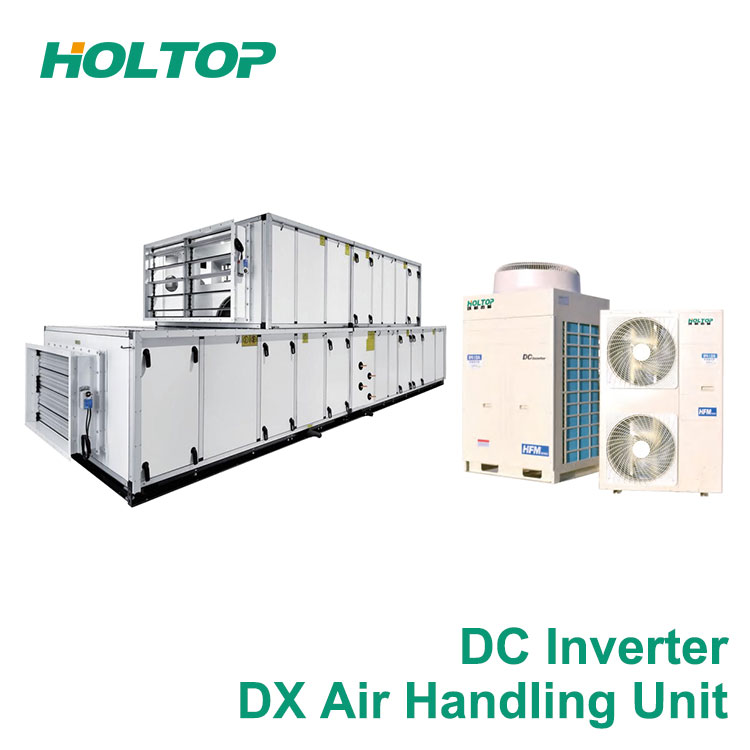
Energy Efficiency and Cost Savings: The Core ROI Driver for High-Performance Heat Recovery Air Handling Systems in Hotels
Quantifying Long-Term ROI: Payback Periods and Lifecycle Energy Reduction
Heat recovery air handling systems that perform well can give businesses a good return on investment because they save so much energy. Most often, companies see their money back in about 18 to 24 months after installation. These systems capture around 60 to even 90 percent of the heat from outgoing air, which cuts down on how much energy HVAC systems need each year by roughly 25 to 35%. For hotels or buildings with about 100 rooms, this usually means saving around fifteen thousand dollars every year. The savings happen faster than expected and also help equipment last longer since there's less stress on the machinery. Looking at the big picture over ten years, these systems cost about 40% less to operate compared to regular systems, making them a smart long term choice for facility managers concerned about both budgets and sustainability.
Conventional AHUs vs. High-Performance Heat Recovery Air Handling Systems: A Data-Driven Comparison
The performance gap between traditional Air Handling Units (AHUs) and modern heat recovery systems is measurable across critical operational metrics:
| Performance Metric | Conventional AHUs | High-Performance Systems |
|---|---|---|
| Energy Recovery Efficiency | 0% | 60–90% |
| Annual HVAC Energy Reduction | Baseline | 25–35% |
| Payback Period | N/A | 18–24 months |
| Humidity Control Capability | Limited | Active moisture transfer |
Heat recovery units work differently from regular air handling units that just let conditioned air escape. Instead they take the thermal energy from outgoing air and use it to prepare fresh ventilation air before it enters the building. This gets rid of what's called the ventilation penalty problem, where normal systems can actually make heating or cooling costs jump anywhere between 30 to 45 percent when temperatures are extreme outside. Luxury hotel chains have started installing these systems because they need to follow ASHRAE guidelines for indoor air quality standards but also want to cut down on those hefty monthly utility bills that spike during hot summers and cold winters.
Regulatory Compliance and Operational Resilience Through Advanced Heat Recovery
Meeting ASHRAE 90.1, IECC, and Local Energy Codes Without Sacrificing Guest Comfort
Heat recovery air handling systems that perform at high levels help buildings meet standards like ASHRAE 90.1, the IECC, and various local energy regulations. These systems work by grabbing around 60 to 80 percent of the wasted heat from exhaust air and using it to prepare the fresh air coming into the building. The result? A significant drop in both heating and cooling costs, sometimes as much as 40% less than what traditional systems would consume. What makes these systems really stand out is how they handle temperature control. With built-in variable speed controls, they can keep temperatures within about one degree Fahrenheit and manage humidity levels too, even when people come and go throughout the day. This separation between ventilation needs and actual heating demands means buildings not only pass the minimum code requirements but also stay comfortable for occupants. Plus, because the system reacts dynamically to occupancy sensors, there's no need to worry about spaces getting too hot or too cold when usage patterns change unexpectedly.
Mitigating Peak Load Demand to Avoid Utility Penalties and Enhance Grid Reliability
During those really hot or cold days, peak demand charges often take up around 30 to 50 percent of what hotels pay each month on utilities. The trick is using good quality heat recovery systems that smooth out these sudden jumps in energy usage when both heating and cooling are needed at once. When it gets warm outside, the system captures waste heat that would otherwise go unused and applies it instead of running chillers full blast. Come winter time, this same captured warmth cuts down how long boilers need to run. Hotels see their peak demand drop somewhere between 15% and 25% thanks to this approach. For a place with 300 rooms, this means saving roughly eighteen thousand dollars every year just on those demand charges alone. Plus there's another benefit nobody talks about much but makes sense for everyone involved. These stable power draws actually help make the local electricity grid stronger, especially during those brutal heat waves we keep getting lately. Instead of being part of the problem causing strain on the grid, hotels become part of the solution while still keeping everything running smoothly behind the scenes.
Enhanced Indoor Air Quality and Occupant Well-being in Modern Hotel Environments
Controlled Ventilation Strategies for High-Density Occupancy and Contaminant Dilution
The indoor air quality problems hotels deal with are pretty different from other buildings because people come and go all day long, plus there's so many different places where pollutants can come from. Think about it: kitchens cooking up meals, gyms with sweat and equipment, guest rooms after cleaning products have been used, not to mention busy lobbies throughout the day. That's where those advanced heat recovery systems really shine. These systems don't just run on timers or fixed settings they actually adjust based on what sensors detect happening right now. When carbon dioxide levels start climbing or volatile organic compounds spike, the system kicks in extra fresh air exactly where it's needed at that moment. Some hotels report noticeable improvements in guest comfort since installing these smart ventilation solutions.
Key strategies include:
- Demand-controlled ventilation: Matches airflow to actual occupancy, cutting energy waste while preserving safe contaminant thresholds
- Cross-contamination prevention: Physically isolates air streams between high-risk zones (e.g., kitchens, fitness centers, and guest corridors)
- Humidity management: Sustains 40–60% relative humidity to inhibit mold growth and pathogen viability
These systems can cut down on airborne particles by over 60% compared to regular air handling units when installed correctly. Studies have shown that better indoor air quality actually makes a difference for people too. Cognitive abilities go up somewhere between 8 to 11 percent, while respiratory issues drop by about 30%. Hotels especially benefit from this improvement. Guest satisfaction tends to rise anywhere from 15% to 22%, plus there's less time lost due to employee illness. And let's not forget about the other perks either. The place smells better overall, and viruses just don't spread as easily in busy spots like lobbies or restaurants.
Strategic Adoption Trends: Why Forward-Thinking Hotels Prioritize High-Performance Heat Recovery Air Handling Systems
More and more top hotels are seeing advanced HVAC tech not merely as something that saves money on bills but actually as a smart long term investment. Energy prices keep climbing, sustainability standards get stricter every year (LEED, BREEAM come to mind), and guests now really care about staying somewhere green. That's why so many properties are jumping on board with these high performance heat recovery systems. These systems slash energy consumption for heating and cooling by around 30 to 50 percent compared to old school equipment, all while keeping the air inside fresh and comfortable. Makes sense when you think about it both from wallet perspective and guest satisfaction angle. Smart hotel managers know they need to prepare their buildings for what's coming next too. Regulations like ASHRAE 90.1 will only get tougher over time, so getting ahead of this now saves headaches later. With climate issues becoming bigger concern day by day, and more people booking trips based on whether a place has those green certifications, hotels that made the switch early are reaping rewards. They spend less on utilities, look better in the eyes of environmentally aware customers, and create spaces where people actually want to stay because everything feels healthier and more thoughtfully designed.
FAQ
What is the payback period for installing high-performance heat recovery air handling systems?
The payback period is typically between 18 to 24 months.
How much energy can these systems save on HVAC annually?
These systems can reduce HVAC energy consumption by 25 to 35% annually.
Why do hotels prioritize installing high-performance heat recovery systems?
Hotels prioritize these systems to achieve energy efficiency, cost savings, regulatory compliance, and enhanced guest satisfaction while maintaining sustainability standards.
What are the indoor air quality benefits associated with these systems?
They significantly reduce airborne particles, improve cognitive abilities, and decrease respiratory issues while managing contaminant dilution effectively.
How do heat recovery systems help in managing peak load demand?
These systems mitigate sudden energy usage increases, cutting peak demand costs by 15% to 25% and supporting grid reliability.
Table of Contents
- Energy Efficiency and Cost Savings: The Core ROI Driver for High-Performance Heat Recovery Air Handling Systems in Hotels
- Regulatory Compliance and Operational Resilience Through Advanced Heat Recovery
- Enhanced Indoor Air Quality and Occupant Well-being in Modern Hotel Environments
- Strategic Adoption Trends: Why Forward-Thinking Hotels Prioritize High-Performance Heat Recovery Air Handling Systems