 EN
EN

Extreme Ventilation Demands in Modern Airport Terminals
High Air Exchange Rates Driven by Passenger Density and IAQ Regulations
Airports today move massive amounts of air through their buildings sometimes as many as 30 complete air changes every single hour in busy areas just to keep indoor air quality at acceptable levels and safeguard people's health. Think about it – these huge terminal spaces serve well over 100 thousand travelers each day so getting rid of carbon dioxide fast and controlling germs isn't optional anymore. According to FAA regulations, each person needs between 15 and 20 cubic feet of fresh air per minute which adds up to absolutely enormous volumes when multiplied across entire airport complexes. Why such extreme measures? Mainly because of what we learned during the pandemic about airborne transmission risks plus the need to follow ASHRAE Standard 62.1 guidelines for ventilation. If airports don't constantly flush out old air with fresh supplies, all sorts of pollutants build up quickly in those packed check in areas and long security lines creating real problems for both passenger safety and overall comfort inside the building.
Energy Penalty of Tight Building Envelopes Without Heat Recovery
Modern terminals have started using these super tight building envelopes to cut down on air leaks, but there's actually a catch here. When buildings are so sealed up, all that fresh air coming in needs full conditioning whether it's scorching hot outside or freezing cold. Think about what happens during those brutal winter months when temperatures drop below zero. Heating that frigid -20-degree air up to a comfortable 70 degrees takes a massive amount of energy. Research from NREL shows that just this one process eats up roughly half of what airports spend on their entire heating and cooling systems. What we're seeing is a direct relationship between how tightly sealed a building is and how much work the ventilation system has to do. Airports basically get stuck between two bad options right now: either sacrifice indoor air quality standards or watch their utility bills skyrocket month after month. That's where big scale heat recovery systems come in handy. These installations grab hold of waste heat from exhaust air before it disappears out the vents, making the whole operation far more efficient.
How Large-Scale Heat Recovery Ventilation Solutions Restore Energy–IAQ Balance
ERV/HRV Core Mechanism: Sensible and Latent Energy Recovery at Airport Scale
Airports need serious ventilation solutions because they handle massive crowds and constant traffic flow. Heat recovery ventilation systems tackle this challenge using advanced heat exchangers that capture both temperature energy and moisture content from outgoing air. When old air leaves the terminal area, it goes through special core materials like corrosion-proof aluminum or composite polymers. These components transfer around 90 percent of the captured heat to the fresh air coming in, all without mixing the two streams together. The ability to recover both heat and humidity makes these systems particularly useful in different weather conditions where controlling moisture levels matters just as much as managing temperatures. Preconditioning the air before it hits main HVAC units allows airports to cut down on heating and cooling costs by somewhere between thirty and fifty percent. At the same time, they maintain those crucial eight to twelve air changes per hour needed for keeping passengers comfortable and meeting building code requirements for indoor air quality.
Zero Cross-Contamination Safety via Air-to-Air Heat Exchangers (AAHX)
Air to air heat exchangers, or AAHX for short, stop pathogens from spreading because they keep air streams completely separate using physical barriers that won't let anything pass through. These systems work by transferring heat through solid materials that don't have pores or holes. Most often we see them made from special grade aluminum similar to what airplanes use, or sometimes advanced plastic composites. Tests done in labs show these AAHX systems can trap over 99.97 percent of viruses and tiny particles in the air. That kind of separation matters a lot in places like baggage claim areas and security screening checkpoints where dirty air just cannot get back into spaces where people are waiting. What makes these systems stand out is their simple design with no parts that move around, no need for chemicals, and they keep working reliably even when running all day every day. For airports and other transportation hubs, this means clean indoor air that passengers can actually trust, which is pretty important when regulations demand proof that the air is safe for everyone.
Proven Impact: Energy Savings from Large-Scale Heat Recovery Ventilation Solutions in Major Airports
Frankfurt Airport Terminal 3 Retrofit: 42% Reduction in HVAC Fan and Heating Energy
The retrofit at Frankfurt Airport's Terminal 3 shows just how much energy can be saved through large scale heat recovery ventilation systems. When they installed air to air heat exchangers throughout the main HVAC setup, energy consumption dropped by 42% for both fans and heating combined. That's roughly enough power to keep 1,200 average homes running all year round. What made this possible? The AAHX captured wasted heat from outgoing air and used it to warm up fresh air coming into the building, which cut down on the need for extra heating. Something else worth noting is that these systems were designed so there was absolutely no mixing between different air streams, maintaining indoor air quality even when the terminal was packed with travelers during busy periods. Looking at this project makes one thing clear: heat recovery isn't just another small improvement in efficiency, it's becoming essential for operations. Airports now have the ability to maintain strict health requirements while making serious progress toward their carbon reduction targets at the same time.
Scalable Integration: Deploying Large-Scale Heat Recovery Ventilation Solutions Across Complex Airport HVAC Infrastructure
Modular AAHX Deployment in Zoned AHUs, Security Areas, and Baggage Handling Zones
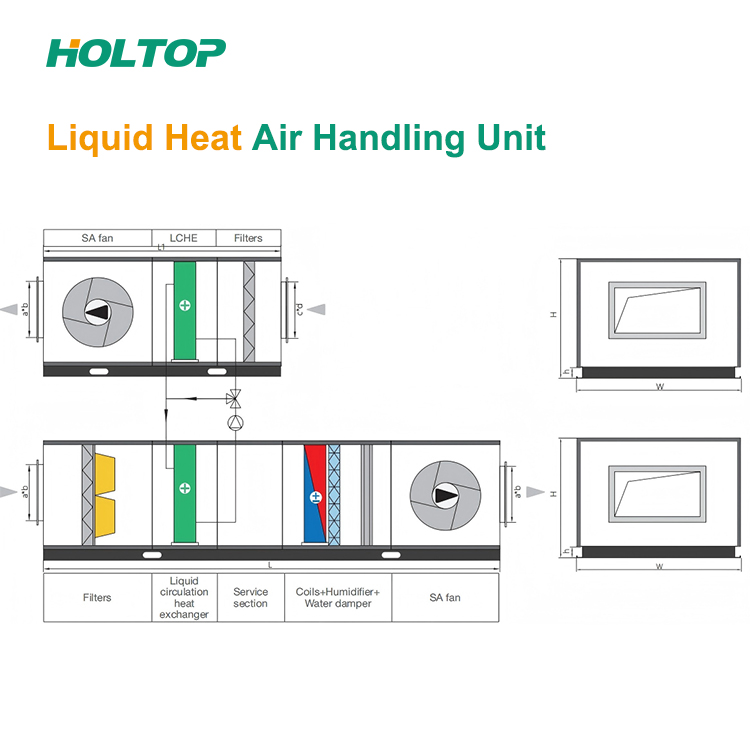
Airports need flexible heating and cooling solutions because different parts of these massive facilities experience completely different temperature challenges, crowd levels, and air quality needs. Modular Air-to-Air Heat Exchangers (AAHX) let facility managers install them bit by bit in the spots that really matter most. Think about places like Air Handling Units, those long security lines where people gather, and the baggage claim area where heat builds up fast. These smaller scale installations can recover around two thirds to three quarters of wasted heat exactly where fresh air is being pumped in at the highest rates. Traditional retrofitting approaches just don't work well here since they disrupt operations so much when installed. Airport operators across the country have seen their payback periods cut down by almost half when they go with this zonal strategy instead of trying to fix everything at once. What makes these modular systems so valuable is how easily they fit into what's already there without tearing things apart. Some airports start small with just one AHU while others eventually expand to cover entire terminals. Either way, this kind of smart energy management looks set to become standard practice for modern airport design going forward.
Strategic Alignment: Large-Scale Heat Recovery Ventilation Solutions as a Cornerstone of Net-Zero Airport Roadmaps
Airports are dealing with serious energy issues these days. Terminal buildings actually use around ten times more energy per square foot compared to regular office spaces according to IATA data from 2023. Most of this energy goes toward heating, ventilation, and air conditioning systems which typically take up between 40 to 60 percent of total terminal consumption as noted by ASHRAE in their 2024 report. For airports trying to hit those net zero goals, big heat recovery ventilation systems aren't just nice additions anymore – they're becoming absolutely necessary investments. These systems tackle two major problems facing the aviation industry right now increased operating expenses because of constant ventilation needs and stricter regulations such as the Airport Carbon Accreditation program requirements. When properly implemented, heat recovery can capture anywhere from 60 to 80 percent of the warmth leaving through exhaust vents. This means airports no longer have to increase energy usage just because they need better ventilation as passenger numbers rise post-pandemic. Many progressive airport operators are starting to track heat recovery performance within their Scope 1 and 2 emissions reports, fitting nicely into overall sustainability plans focused on building energy resilience. What was once seen as an expensive burden is now turning into something valuable that helps measure efficiency improvements while still keeping indoor air quality standards high even as terminal sizes continue growing worldwide.
FAQ
Why do modern airports require such extreme ventilation levels?
Modern airports require high air exchange rates due to passenger density, the need to maintain indoor air quality (IAQ), and adherence to regulations like ASHRAE Standard 62.1. Post-pandemic awareness of airborne transmission risks has further accentuated these requirements.
How does heat recovery help in managing airport ventilation demands?
Heat recovery systems capture and reuse exhaust air's heat, thereby reducing energy consumption in air conditioning. This helps in maintaining required air changes while being energy efficient.
What makes air-to-air heat exchangers appropriate for airports?
Air-to-air heat exchangers (AAHX) prevent cross-contamination due to their design that separates air streams, crucial for maintaining clean indoor air in crowded areas like baggage claims and security checks.
Are heat recovery systems cost-efficient for airports?
Yes, implementing large-scale heat recovery systems can lead to significant reductions in heating and cooling energy use, minimizing operational costs and assisting airports in achieving sustainability goals.
What impact does scalable integration have?
Scalable integration of heat recovery solutions allows airports to address specific areas with intense energy demands without requiring complete infrastructural overhaul, leading to quicker returns and operational resilience.
Table of Contents
- Extreme Ventilation Demands in Modern Airport Terminals
- How Large-Scale Heat Recovery Ventilation Solutions Restore Energy–IAQ Balance
- Proven Impact: Energy Savings from Large-Scale Heat Recovery Ventilation Solutions in Major Airports
- Scalable Integration: Deploying Large-Scale Heat Recovery Ventilation Solutions Across Complex Airport HVAC Infrastructure
- Strategic Alignment: Large-Scale Heat Recovery Ventilation Solutions as a Cornerstone of Net-Zero Airport Roadmaps
- FAQ