Get a Free Quote

Our representative will contact you soon.
Email
WhatsApp/Mobile
Name
Company Name
Message
0/1000

News

News

Home /  News

What is Purification Air Handling Unit (PAHU)? How it Works?

Mar 02, 2026

Overview

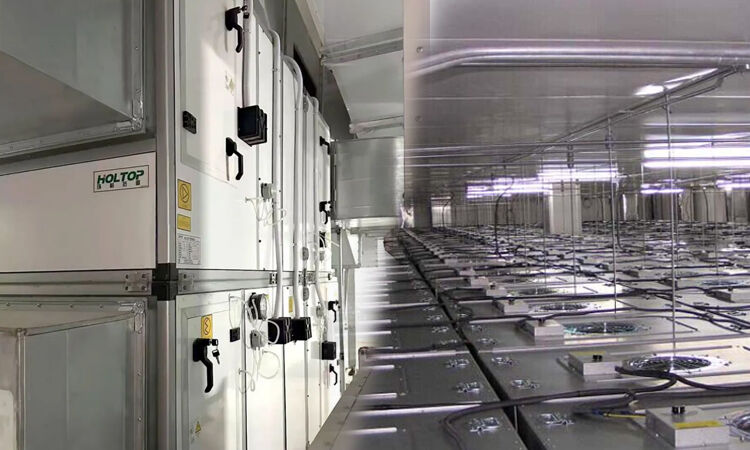
A Purification AHU (PAHU) is a specializedunitof an Air Handling designed specifically for cleanroom systems. Beyond standard climate control (temperature and humidity),it’s important formanagingair cleanliness (particle concentration), pressure differentials, and airflow patterns. Itisbuiltforcomplexenvironments such as Hospital Operating Rooms, ICUs, SterileRooms, and PCR Laboratories. Byusingdifferent type offiltration and precise pressure control, it continuously providescleanair while maintaining stable positive or negative pressure to prevent crosscontamination.
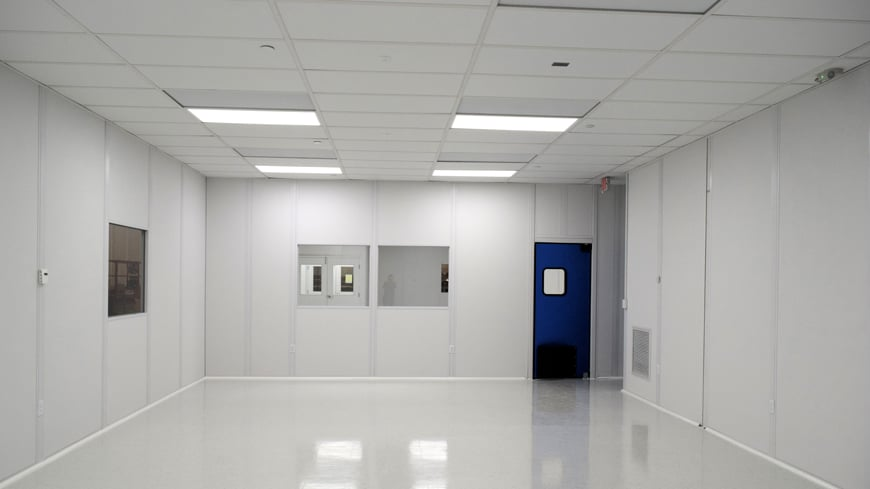
cleanroom.png

Components and Features

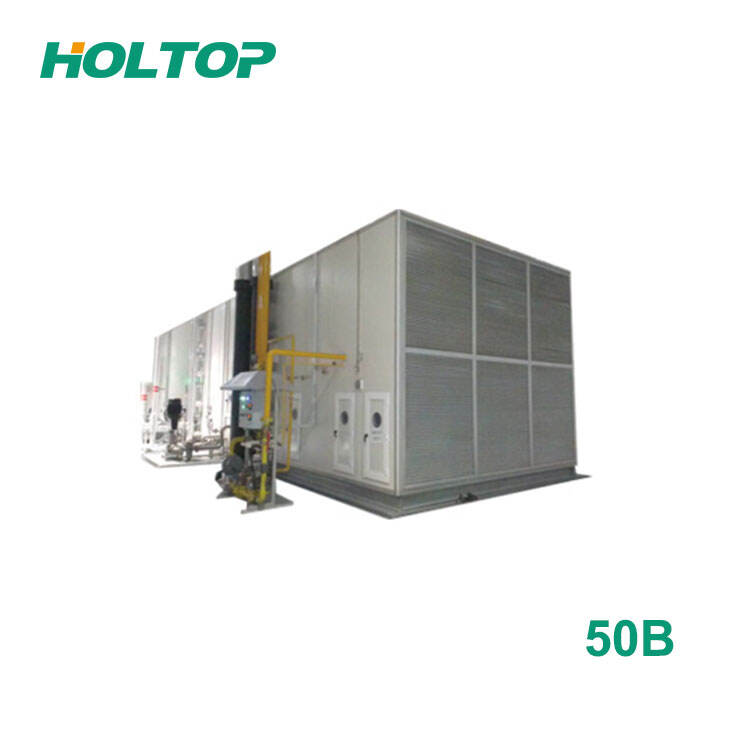
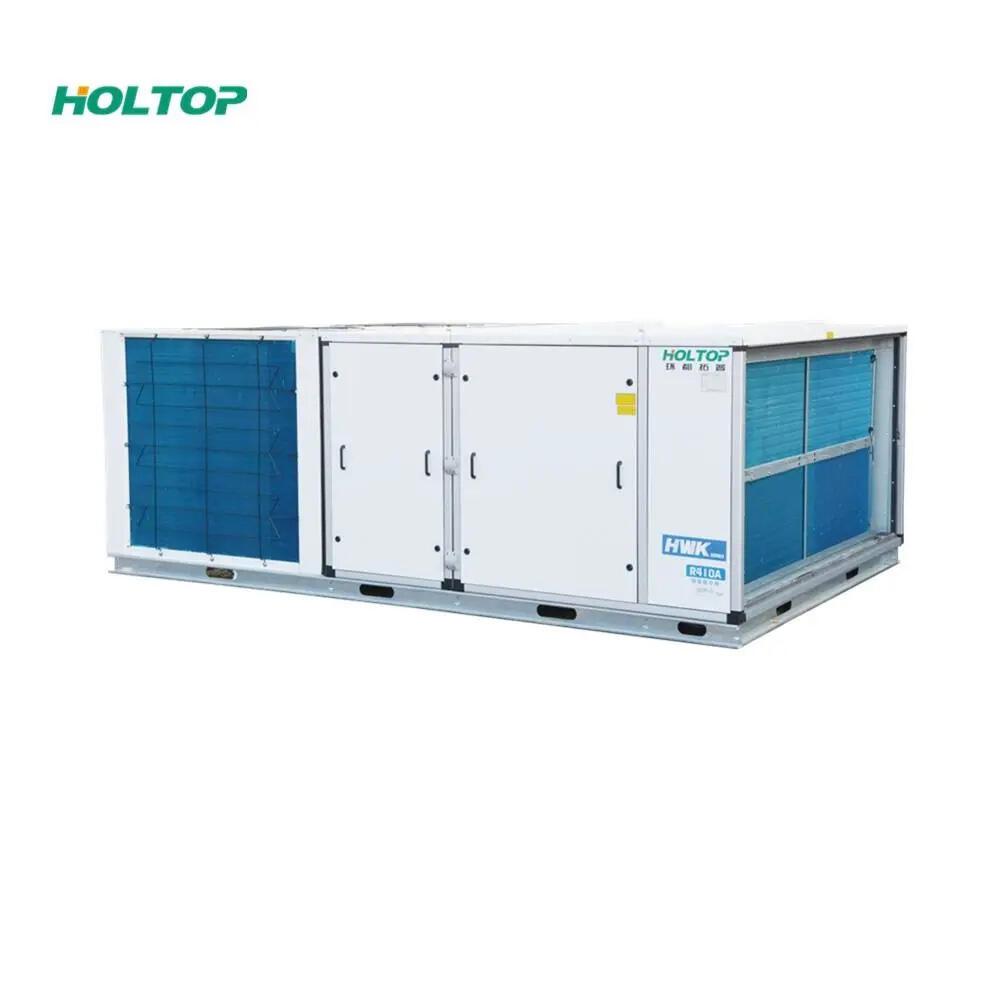
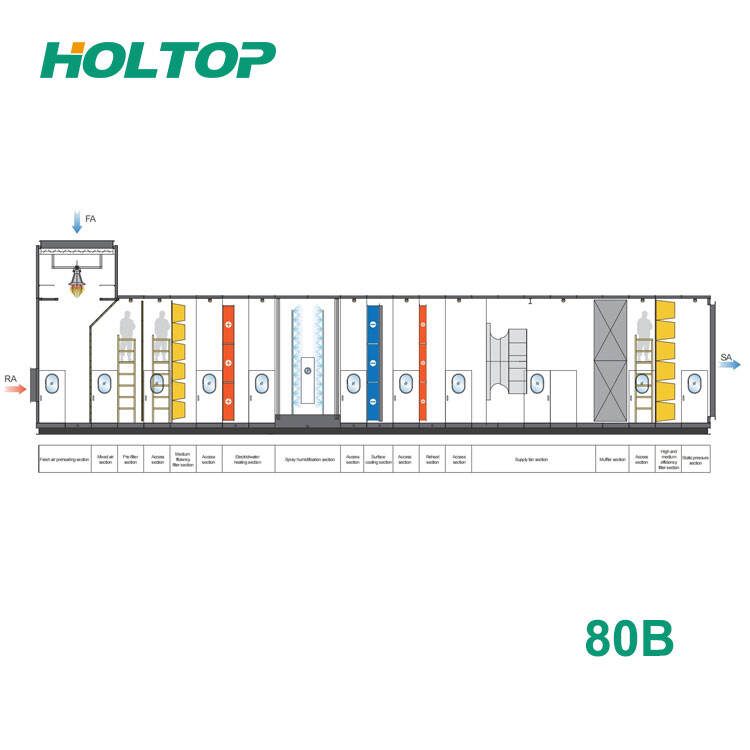
Compared with standard air handling units, a Purification AHU is more complex:
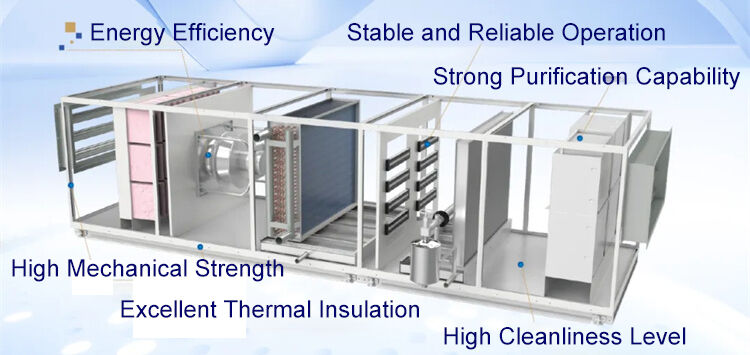
Fan Section

  • Using Variable Frequency Drive (VFD) fans for energy efficiency and precise airflow adjustment.
  • Requires high static pressure to overcome the resistance caused by high-efficiency filters.

Filtration Sections

  • Primary Filter (G4/F5): Captures large particles (dust, hair) to protect other components.
  • Medium Filter (F7/F8): Filters smaller particles and to extend the life of the expensive HEPA filters.
  • HEPA Filter (H13/H14): The purification core. Usually installed at the end to ensure air reaches ISO Class 5 or higher cleanliness.

Temperature and Humidity Sections

  • Cooling/Heating Coils: Uses chilled or hot water or direct expansion to adjust temperature and remove moisture.
  • Humidification: Uses dry steam, electrode, or electric heaters. These methods are using in hospitals because they are sterile and can prevent bacterial from growing.

Mixing and Sound Attenuation

  • Mixing Box: Bring fresh outdoor air for oxygen and positive pressure with filtered return air for energy saving.
  • Silencers: Reduces noise from high-velocity airflow and fans to meet cleanroom noise standards.

Control System

  • DDC/PLC Systems: Automatically monitors sensors to adjust VFD speeds, maintaining specific pressure gaps (like positive pressure in ORs to keep contaminants out; negative pressure in PCR labs to keep samples in).
  • Differential Pressure Alarms: Alerts staff when filters are clogged and require to replace.

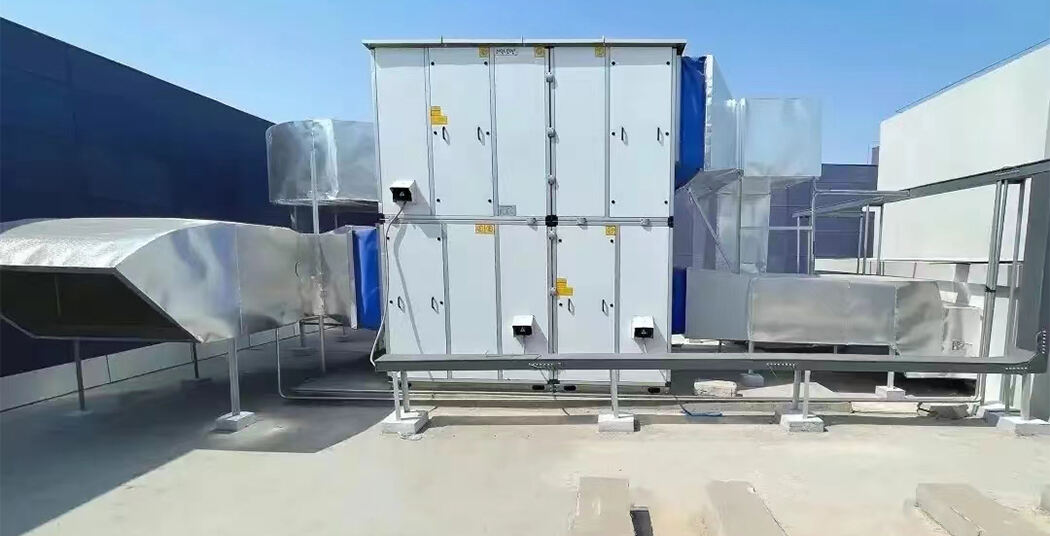
Holtop-AHU-5.jpg

Workflow in a Sterile Hospital Environment

  • Air Collection: Fresh air and return air are mixed in the unit.
  • Pre-Treatment: Air go through G4 and F7 filters to remove the bulk of particulate particles.
  • Conditioning: Air is cooled/heated and humidified to the exact setting point.
  • Final Purification: The fan pushes air through the HEPA filter, making it sterile and dust-free.
  • Distribution: Clean air will go through insulated ducts to ceiling diffusers.
  • Airflow Organization: Air forms laminar (unidirectional) or turbulent flow to dilute and flush out indoor pollutants.
  • Exhaust/Return: Air is drawn out through low-level wall vents, some part are recycled, while the rest is exhausted to maintain pressure balance.

AHU vs. FFU vs. Standard AHU

Feature

Purification AHU(PAHU)

Standard AHU

FFU(Fan Filter Unit)

Core

Cleanliness+ Pressure+
Climate

Comfort+ Climate

Sectional High Cleanliness

Filtration

3 Stages(Primary,Med,
HEPA)

1-2 Stages(Primary,
Med)

Built-in HEPA only

Fan Type

High Static Pressure/VFD

Standard Static
Pressure

Small integrated fans

Application

Surgery Suites, Bio-Labs

Offices,Outpatient Clinic

High-Level Areas(above OR
table)

HOLTOP-AHU-FFU.jpg

Conclusion

The Purification AHU is the "heart" of modern hospital cleanroom engineering. By integrating high-grade filtration with automated pressure and climate management, it creates a safe, sterile micro-environment essential for infection control and successful medical outcomes.


FAQ

What is a Purification AHU?

A Purification AHU uses high-pressure fans and three-stage filtration (G4, F7, and HEPA) to control temperature, air cleanliness and room pressure for sterile environments.

How does the filtration system work?

It have a three-layer defense where Primary (G4/F5) and Medium (F7/F8) filters protect the HEPA (H13/H14) core, and removes particles and bacteria to meet ISO 5 standards.

Why is pressure control important?

Precise pressure management prevents cross-contamination by using Positive Pressure to keep germs out of operating rooms and Negative Pressure to keep pathogens inside PCR labs.

How does the air circulate?

Sterile air enters through ceiling vents and pushes contaminants down toward floor-level exhausts, creating a continuous "flushing" action that maintains a clean micro-environment.