 EN
EN

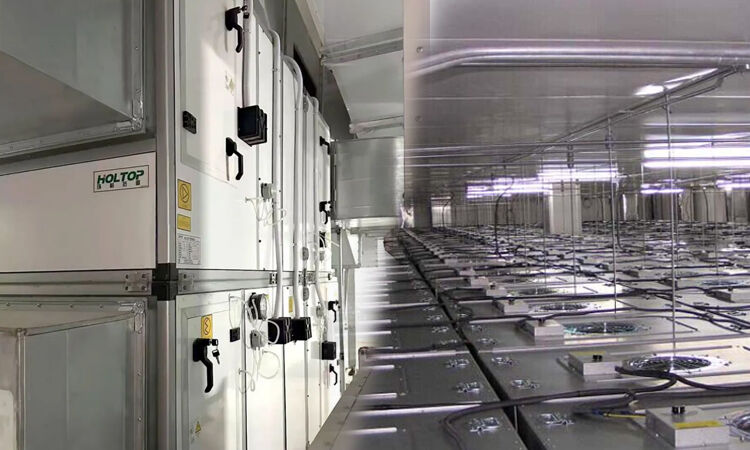
Cleanliness Performance and ISO Class Compliance (ISO 5–8)
Maintaining stringent air quality in ISO 5–8 cleanrooms demands precise filtration and airflow management to meet ISO 14644-1 standards. When evaluating FFU vs AHU systems, localized control and central efficiency trade-offs directly impact particulate contamination risks.
HEPA/ULPA Filtration Efficiency and Localized Air Quality Control
HEPA filters can trap around 99.97 percent of particles that are at least 0.3 microns in size. ULPA filters go even further, capturing up to 99.999 percent of particles down to 0.12 microns. FFU systems provide filtration right where it's needed most, which cuts down on potential leaks and helps maintain ISO 5 standards in areas where cleanliness is absolutely critical, such as during sterile manufacturing processes. On the flip side, traditional AHUs depend on central HEPA or ULPA filter banks, but these setups come with their own problems. Ductwork can develop cracks over time, and changes in air pressure throughout the system create opportunities for contaminants to enter. According to industry reports, facilities using FFUs typically see between 30 and 50 percent fewer airborne particles in ISO 5 cleanrooms when compared to those relying on AHUs. This makes a big difference for maintaining sterility in pharmaceutical production or other high purity environments. Plus, the modular nature of FFUs allows for localized air management without worrying about cross contamination between different zones within a facility.
Air Change Rates, Uniformity, and ISO 14644-1 Compliance by Class
The ISO 14644-1 standard sets out what we call minimum air change rates. For instance, ISO 5 spaces need around 250 to 300 air changes each hour just to keep particle counts below 3,520 per cubic meter at or above 0.5 microns. Then there's ISO 7 which demands approximately 60 changes per hour to stay under 352,000 particles per cubic meter. When it comes to maintaining this kind of clean environment, FFU arrays really shine. These units produce what's known as uniform laminar flow with over 95% consistency in airflow patterns, making them particularly well suited for meeting ISO 5 through 6 standards. On the other hand, traditional AHU systems face challenges because they rely on ducted supply air. This setup tends to create turbulence issues along with static pressure losses that mess up the uniformity of airflow distribution, especially noticeable in those ISO 7 to 8 zones where cleanliness requirements aren't quite as strict but still important. Although AHUs can technically satisfy classification requirements if properly balanced, FFUs naturally provide better control over particle distribution in critical areas. This means less dependence on complicated commissioning processes that take time and resources to implement correctly.
Functional Architecture: Modularity, Control, and Contamination Risk in FFU vs AHU Systems
Point-of-Use Filtration (FFU) vs Centralized Conditioning (AHU): Pressure Dynamics and Cross-Contamination Mitigation
FFUs deliver HEPA or ULPA level filtration right at individual ceiling modules, which creates those stable positive pressure areas needed for critical workspaces. Basically, this setup stops particles from getting in where they don't belong. What makes these units special is their independence - if one fails, others keep running without issue. Plus, there's no need for ducts that might spread contaminants around. The airflow coming down through FFU grids maintains laminar conditions with very little turbulence, meaning particles stay suspended in the air for shorter periods. According to some recent studies looking at how facilities perform, switching to point-of-use FFU filtration can cut down on cross contamination problems by roughly 40 percent when compared with traditional ducted systems.
Scalability, Retrofit Flexibility, and Layout Adaptability
The modular nature of FFU systems lets cleanroom operators change around their workspace pretty quickly without tearing down walls or doing major construction work. This makes these units particularly good for test environments where processes are still being worked out or when production needs keep changing. The beauty is that individual units just get moved around, taken out, or put back in wherever they're needed based on how equipment gets arranged. No more those pesky dead spots in airflow that happen so often with traditional AHU ductwork setups. Most FFUs fit right into standard ceiling grids with no special installation headaches, which saves precious floor space too. For older facilities looking to upgrade, this matters a lot. Industry data shows companies typically save between 25% to almost 60% on renovation costs compared to expanding AHU systems. Plus, if there's ever a need to bump up to a higher ISO classification later on, FFUs allow for these improvements without having to rip everything apart and start from scratch.
Energy Use, Lifecycle Cost, and Operational Sustainability
Fan Power Density, Static Pressure Loss, and System-Level Efficiency Trade-offs
The amount of power needed to move air through a cleanroom (measured in watts per CFM) plays a big role in how much energy gets used overall. Fan Filter Units work with much lower static pressure requirements around 0.5 inches water gauge thanks to their distributed EC motor design. This avoids all those duct losses that come with traditional Air Handling Units. Most AHUs need over 2 inches water gauge just to push air through HEPA filtered ductwork. While AHUs do have benefits when it comes to controlling temperature across the whole space, FFUs cut down on duct leakage problems and let operators adjust airflow precisely in different zones. When looking at lifetime costs, studies show FFUs can save about 23% on fan energy in ISO 7 cleanrooms according to recent ASHRAE guidelines from 2023. These savings plus easier maintenance and better flexibility in capital spending make FFUs a strong choice for sustainable operations in many cleanroom settings today.
Design Integration and Air Distribution Strategy
Ceiling-Mounted FFU Arrays vs Ducted AHU Supply: Laminar Flow Integrity and Turbulence Management
Mounting FFU arrays on ceilings really helps maintain laminar airflow since these units place HEPA or ULPA filters right where they're needed most. This setup cuts down on those annoying air disturbances caused by all those bends in ducts, diffusers messing things up, and weird pressure changes typical in traditional AHU systems. The whole idea works better because particles don't get stirred up as much, plus the system fits nicely around workstations when installed properly. Sure, AHUs can create laminar conditions too if we throw in some fancy computer modeling, special dampers, and airflow straightening devices, but let's face it - these older systems still struggle with dead spots and distorted flows, especially when trying to retrofit them into buildings with ancient ductwork. According to ISO 14644 standards, going with FFU systems makes life easier for compliance purposes since they naturally produce consistent airflow from ceiling to floor without needing all sorts of complicated fixes to airflow problems.
Frequently Asked Questions (FAQ)
What is the difference between HEPA and ULPA filters?
HEPA filters capture around 99.97% of airborne particles as small as 0.3 microns, while ULPA filters capture up to 99.999% of particles as small as 0.12 microns, offering superior filtration.
Why are FFUs preferred over AHUs in cleanrooms?
FFUs provide localized filtration, minimizing leaks and maintaining critical cleanliness standards required in certain cleanrooms. This system significantly reduces cross-contamination risks compared to AHUs.
How do FFUs contribute to energy savings?
FFUs operate at lower static pressure requirements, reducing energy usage compared to traditional AHUs, which often experience duct losses and require more power to function effectively.
Are FFUs easy to install?
Yes, FFUs fit into standard ceiling grids without needing special installations, allowing easy integration and saving on space and construction costs.