 EN
EN

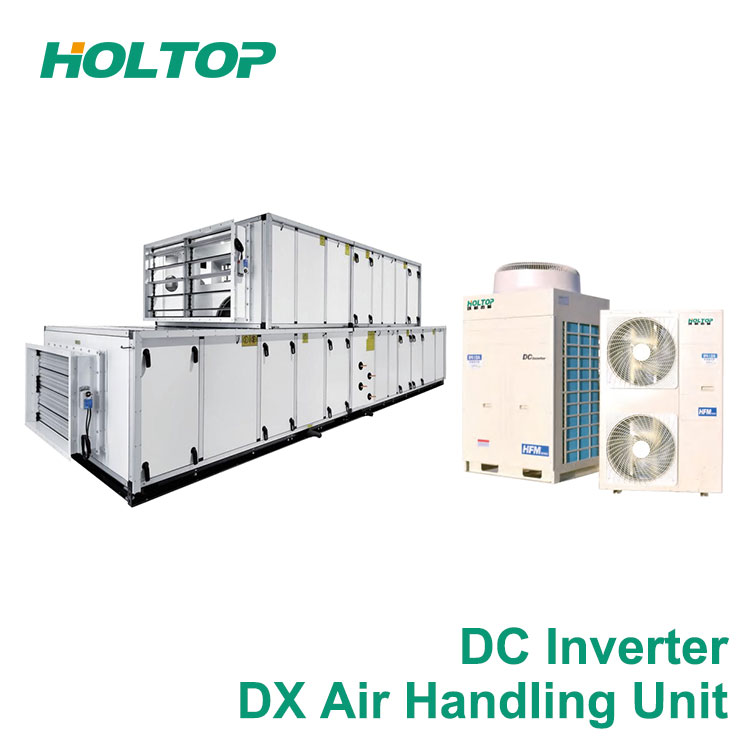
Reliability Directly Protects Production Uptime and System Integrity
How compressor-dependent processes demand 99.3% heat recovery system uptime
Air compressors used in industrial settings produce quite a bit of wasted heat, which smart facilities actually capture using heat recovery systems these days. When those systems break down though, things get messy fast. Compressor efficiency plummets around 12 to 18 percent based on recent 2023 industry audits, usually leading to production delays nobody wants. For operations running nonstop like drug manufacturing plants or auto body shops, maintaining almost flawless heat recovery uptime becomes critical. These places need something like 99.3% system availability just to keep their air supply temps steady enough for proper work conditions. If temperatures swing too much, paint coatings end up wrong consistency or clean rooms lose their sterility standards completely. Facilities that hit this 99.3% mark see roughly 9 out of 10 fewer problems related to heat issues compared to others. So yeah, good heat exchange isn't just nice to have anymore. It's pretty much table stakes if anyone wants their production lines running smoothly day after day.
Failure cascades: Unreliable heat exchangers triggering compressed air pressure drops, moisture excursions, and downstream equipment damage
When a heat exchanger fails, it sets off a series of problems that can be really damaging. If recovery units stop working properly, all that latent heat just builds up in the air dryers, which means moisture levels can jump by around three times what they should be within just a few hours. The result? Air gets too saturated and creates pressure drops throughout the system, usually about 17 psi on average across those distribution lines. This leaves pneumatic tools and actuators without enough power to function correctly. Valves start corroding much faster too, maybe even five times quicker than normal, while tiny particles get carried through and clog up filters further down the line. According to Ponemon's research from last year, these kinds of issues end up costing factories roughly seven hundred forty thousand dollars every year for emergency fixes and wasted materials. Investing in heat recovery systems made from corrosion resistant materials and designed with easy access points for maintenance can actually prevent most of these problems. Plus, components tend to last significantly longer when maintained this way, sometimes adding over forty thousand extra hours of operation before needing replacement.
Energy Efficiency Gains Depend on Sustained Reliability
The efficiency–reliability nexus: Why unscheduled downtime eliminates up to 82% of potential thermal energy recovery
Unreliable air-to-air heat recovery equipment directly undermines energy efficiency goals. According to the EPA ENERGY STAR 2024 report, unscheduled downtime eliminates up to 82% of recoverable thermal energy–because compressor shutdowns halt waste heat capture mid-process. Continuous operation isn’t ideal; it’s essential for meaningful energy savings.
ROI acceleration: Plants using reliable air-to-air heat recovery equipment achieve payback in <14 months vs. >27 months for unreliable units
When operations run consistently day after day, that's when efficiency actually starts to generate real money savings. Take facilities using good quality air to air heat recovery systems for instance they typically see their investment paid back within just 14 months flat out. Compare that to cheaper alternatives which often take over 27 months to break even. Why such a big gap? Well it all comes down to continuous thermal performance without those expensive breakdowns that happen so frequently with lower end models. The math adds up fast too each hour these systems stay online turns wasted heat energy directly into dollars saved on utility bills. What was once just another piece of industrial equipment becomes something much more valuable a genuine money maker rather than an ongoing headache waiting to happen.
Design and Integration Features That Enable Long-Term Reliability
Modular, pre-engineered air-to-air heat recovery equipment cuts installation time by 68% and minimizes integration risk
Modular designs that are pre-engineered speed up deployment times and cut down on mistakes people might make when putting things together. With standardized parts, these systems just slot right into existing compressed air setups. We're talking about saving around two thirds of the installation time compared to building something from scratch according to those ISA standards from 2023. The focus on reliability really pays off because compatibility problems cause roughly 40 to 45% of unexpected shutdowns at factories across the country. These factory tested modules come straight from production line already set up so they can be connected quickly to both ventilation systems and process controls without extra work onsite.
Corrosion-resistant materials and accessible service points extend mean time between failures beyond 50,000 operating hours
The stainless steel heat exchanger cores stand up much better against acidic condensation and exhaust filled with particles something that regularly breaks down regular systems. The design includes service panels in smart locations so technicians can do maintenance work without tearing everything apart, which cuts downtime around 73 percent according to field tests. All these improvements mean the equipment lasts way longer between breakdowns, often pushing past 50 thousand operating hours triple what standard carbon steel models typically manage before needing replacement. Regular parts swaps during routine checkups also help keep things running smoothly even when conditions get tough.
Reliable Air-to-Air Heat Recovery Equipment Transforms Waste Heat into a Predictable Process Asset
For years now, industrial facilities just let waste heat escape into the air as something they couldn't do anything about. But modern air-to-air heat recovery systems are changing all that, turning what was once wasted thermal energy into something valuable instead. These systems work by grabbing hold of exhaust heat coming out of things like compressors, furnaces, and drying equipment, then putting it back to work where needed. The big difference is that plants can actually track and manage this recovered heat for specific purposes like getting combustion air ready ahead of time, heating up process liquids, or even keeping buildings warm during colder months. No more guessing games about how much energy will be available when it's needed. According to recent EPA ENERGY STAR reports from 2024, facilities using this approach avoid losing around 82% of their potential savings due to unexpected shutdowns. What happens in practice? Instead of dealing with waste heat as just another cost, manufacturers start seeing it as a reliable resource that makes processes run smoother while cutting down on the need for extra fuel or electricity.
FAQs
Why is heat recovery system uptime so crucial?
Heat recovery system uptime is crucial because it maintains constant air supply temperatures needed for specific production conditions, preventing delays and unexpected downtime.
What are the consequences of failing heat exchangers?
Failing heat exchangers lead to pressure drops, increased moisture levels, and corrosion, causing damage to downstream equipment and costing factories significantly in emergency fixes and wasted materials.
How does reliability affect energy efficiency?
Continuous reliability in heat recovery equipment ensures consistent capture of waste heat, which is essential for achieving substantial energy savings and meeting efficiency goals.
What are the benefits of modular, pre-engineered heat recovery systems?
Modular, pre-engineered systems significantly reduce installation time and minimize integration risks, offering improved reliability and reducing unexpected shutdowns.
How do corrosion-resistant materials and accessible service points enhance system reliability?
These features extend operational lifespan by making maintenance easier and increasing resistance to degrading conditions, thus enhancing long-term system reliability.
Table of Contents
- Reliability Directly Protects Production Uptime and System Integrity
- Energy Efficiency Gains Depend on Sustained Reliability
- Design and Integration Features That Enable Long-Term Reliability
- Reliable Air-to-Air Heat Recovery Equipment Transforms Waste Heat into a Predictable Process Asset
-
FAQs
- Why is heat recovery system uptime so crucial?
- What are the consequences of failing heat exchangers?
- How does reliability affect energy efficiency?
- What are the benefits of modular, pre-engineered heat recovery systems?
- How do corrosion-resistant materials and accessible service points enhance system reliability?