 EN
EN

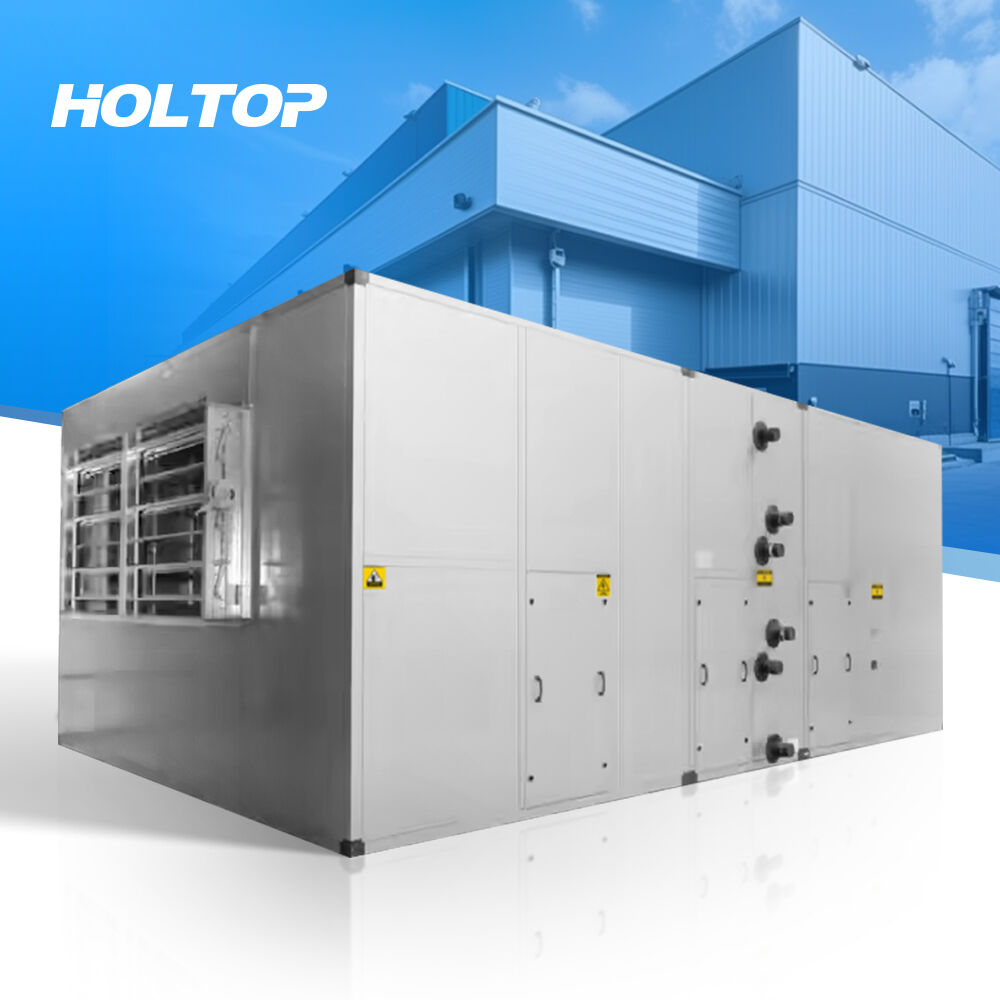
Understanding High Heat Loads in Industrial Environments
Defining high heat loads in industrial buildings
When industrial operations pump out more heat than regular ventilation systems can handle, we get what's called high heat loads. Foundries and chemical plants routinely run ambient temps well above normal ranges sometimes hitting over 50 degrees Celsius, which really taxes any cooling system trying to keep things under control. The difference between these industrial settings and regular commercial buildings is pretty significant. Factory floor HVAC needs to tackle not just the hot air coming off machines but also the intense heat radiating from raw materials themselves. That dual challenge makes standard office climate control completely inadequate for manufacturing environments.
Common sources of extreme temperature generation in manufacturing and processing
Four primary drivers account for 78% of industrial heat loads:
- Heavy machining: Processes like milling and turning create friction temperatures exceeding 700°C (machining temperature studies, 2023)
- Exothermic reactions in chemical processing
- Smelting operations with continuous molten metal exposure
- High-density electrical systems generating waste heat
Impact of inadequate temperature and humidity control on operations
Unmanaged heat reduces equipment lifespan by 40% and increases energy costs by 25% annually. Humidity spikes above 60% RH accelerate corrosion in metal components, while dry conditions below 30% RH create electrostatic risks in electronics manufacturing. Proper industrial HVAC systems prevent these threats through precision climate management.
Core Principles of Industrial HVAC for High Heat Load Management
How Industrial HVAC Systems Manage Extreme Temperatures and Harsh Environments
Industrial HVAC systems use heavy-duty compressors, industrial-grade heat exchangers, and specialized refrigerants to dissipate heat loads exceeding 500,000 BTU/hour. These systems incorporate corrosion-resistant materials such as stainless steel cabinets and multi-stage filtration to handle abrasive particulates and corrosive fumes common in manufacturing environments like foundries or chemical plants.
The Role of Capacity and Flow Rate Customization in Thermal Management
The ability to adjust airflow from 15,000 to 60,000 CFM combined with variable speed drives makes it possible to maintain just the right temperatures across all sorts of different industrial applications. Think about food sterilization where the temperature needs to stay within a narrow range of plus or minus one degree Fahrenheit, or metal quenching operations that require dramatic temperature shifts from around 300 degrees down to 70 degrees in no time at all. According to research published by the Department of Energy last year, businesses that implemented these kinds of flexible airflow systems saw their energy bills drop by nearly 18 percent while still keeping up with normal production levels. That's pretty impressive when you consider how critical temperature control is in so many manufacturing settings.
Mission-Critical HVAC Systems and Reliability Under Continuous Operation
Redundant compressors and N+1 fan arrays ensure uninterrupted operation in 24/7 facilities, with vibration-dampening mounts maintaining functionality even under 0.5g vibration forces. Leading manufacturers design systems for 98.5% uptime in extreme conditions through stainless steel coil construction and IP55-rated electrical components.
Standard vs. Custom HVAC Solutions: Evaluating the Best Fit for Industrial Applications
While standard rooftop units suffice for cooling loads ≤50 tons, facilities with irregular layouts or explosive atmospheres require custom-engineered solutions such as split-system HVAC with explosion-proof ducting. A 2022 industry survey showed 73% of petrochemical plants opted for custom configurations to meet safety and performance requirements unaddressed by off-the-shelf systems.
Designing Heavy-Duty HVAC Systems for Demanding Industries
Challenges of Ventilation in Dusty, High-Vibration Environments Like Mining and Construction
Industrial HVAC systems in mining and construction face relentless environmental stressors. Dust accumulation reduces airflow efficiency by up to 40% in unfiltered systems, while vibrations exceeding 7 Hz can loosen electrical connections and compromise structural integrity. These conditions demand designs emphasizing:
- Multi-stage filtration to capture silica and metallic particulates
- Shock-absorbing mounts to dampen vibration transfer
- Sealed conduits to prevent dust infiltration in control panels
MSHA-Rated and Vibration-Resistant HVAC Components for Safety and Compliance
Industries subject to strict regulations need equipment that goes beyond regular durability standards. Equipment rated by MSHA comes with features like explosion proof motors and materials that won't spark, which cuts down on fire hazards in places like coal mines or chemical manufacturing facilities. The compressors designed to handle vibrations have these special helical rotary parts inside them, allowing them to keep running smoothly even when exposed to loud noises around 120 decibels something workers face daily in tight work areas. Manufacturers have made progress recently with their heavy duty fan clutches too. These newer versions last about 23 percent longer before needing maintenance in environments where constant shaking would normally wear out standard equipment much faster.
Through-Wall HVAC Units for Large Cabs and Severe Operating Conditions
The cab mounted through wall cooling systems basically solve all those problems that come with traditional ductwork on mobile mining gear. These units typically run between 18 to 24 kilowatts and keep the inside temperature under control at around 27 degrees Celsius even when outside temps hit scorching 55 degrees. They work by directing air upwards instead of letting hot engine fumes get sucked back into the cabin, which happens with regular setups. Built from grade 304 stainless steel, these systems can handle pretty harsh chemicals ranging from pH level 3 to 11. That makes them absolutely necessary equipment for places like acid wash stations where corrosion is a constant concern, as well as various mineral processing operations across the industry.
Improving Energy Efficiency Without Sacrificing Cooling Performance
Strategies for enhancing energy efficiency in industrial HVAC systems
Industrial facilities can achieve 18–35% energy cost reductions through optimized HVAC strategies while maintaining critical cooling performance (Ponemon 2023). Three proven approaches dominate modern retrofits:
- Variable-speed compressors that reduce power draw during partial-load conditions
- Thermal energy storage systems shifting cooling loads to off-peak utility rates
- Advanced airflow modeling minimizing ductwork losses through predictive maintenance frameworks
A 2023 study of heavy manufacturing sites found that combining these methods lowered HVAC-related carbon emissions by 28 metric tons annually per 10,000 sq ft. Maintaining humidity between 30–50% RH via whole-building monitoring further reduces latent cooling loads by 12–19%.
Case Study: Reducing operational costs in a steel processing plant with optimized airflow
A Midwest steel manufacturer cut HVAC energy costs by 22% ($162,000 annually) through targeted airflow improvements:
| Optimization | Result |
|---|---|
| Ventilation rate calibration | 18% reduction in fan energy use |
| Thermal stratification mitigation | 7°F temperature differential eliminated |
| Predictive damper control | 31% fewer compressor cycles |
The project used real-time airflow optimization strategies combining IoT sensors with computational fluid dynamics modeling, achieving full ROI in 14 months. Plant managers maintained strict ≤85°F workspace requirements despite removing three redundant cooling units.
Automation, Monitoring, and Maintenance for Long-Term Reliability
Integration of Sensors and Real-Time Monitoring in Industrial HVAC
Today's industrial HVAC systems come equipped with built-in temperature monitors, humidity detectors, and airflow trackers that spot problems as they happen. All these readings get sent to central monitoring hubs where technicians can catch small issues before they become big headaches like clogged air filters or compressor failures. A recent report from IFMA back in 2023 showed some pretty impressive results for companies that implemented predictive maintenance tools. Facilities reported cutting down on unexpected HVAC breakdowns by around 40 percent when compared to those still relying on fixing things only after something breaks down completely. This kind of proactive approach saves money and keeps operations running smoothly without constant interruptions.
HVAC Software and Centralized Systems for Predictive Maintenance
Computerized Maintenance Management Systems look at past data to predict when equipment might need attention, help keep track of spare parts stock, and streamline how services get scheduled. Many top companies are starting to build vibration sensors and thermal cameras right into their building climate control systems these days, giving facility managers one place to check on everything going on inside those complex machines. According to a recent industry report from PwC released last year, switching from just fixing things before they break down completely to anticipating problems ahead of time could cut yearly expenses somewhere around 30 percent for many businesses.
Trend: Adoption of Automation in Mission-Critical Industrial Settings
Food processing and pharmaceutical facilities increasingly deploy automated diagnostic systems to maintain tight temperature tolerances. In these settings, a single deviation can result in over $740,000 in spoiled inventory (Ponemon Institute 2023), driving demand for self-correcting HVAC units that adjust airflow autonomously.
Balancing Increased System Complexity with Proactive Diagnostics
Despite their benefits, smart HVAC technologies present challenges: 62% of facility managers report difficulty managing data overload from interconnected systems (Frost & Sullivan 2024). Successful operations implement tiered alert systems that prioritize critical alarms while automating routine diagnostics such as coil efficiency calculations.
Essential Maintenance Protocols: Coil Cleaning and Scheduled System Diagnosis
Even advanced systems require manual oversight for key tasks like quarterly evaporator coil cleaning, which improves heat exchange efficiency by 15–20% (ASHRAE 2023 guidelines). When paired with bi-annual electrical inspections, these protocols help sustain peak performance across continuous production cycles.
Frequently Asked Questions (FAQs)
What are common sources of high heat loads in industry?
Common sources include heavy machining, exothermic reactions in chemical processing, smelting operations, and high-density electrical systems.
How can industrial HVAC systems manage extreme temperatures?
These systems use heavy-duty compressors, industrial-grade heat exchangers, and specialized refrigerants to dissipate heat loads. They also incorporate corrosion-resistant materials and filtration systems.
What benefits do automated diagnostic systems offer for HVAC reliability?
Automated systems can maintain tight temperature tolerances and adjust airflow autonomously, reducing risks of spoilage and improving operational efficiency.
Table of Contents
- Understanding High Heat Loads in Industrial Environments
-
Core Principles of Industrial HVAC for High Heat Load Management
- How Industrial HVAC Systems Manage Extreme Temperatures and Harsh Environments
- The Role of Capacity and Flow Rate Customization in Thermal Management
- Mission-Critical HVAC Systems and Reliability Under Continuous Operation
- Standard vs. Custom HVAC Solutions: Evaluating the Best Fit for Industrial Applications
- Designing Heavy-Duty HVAC Systems for Demanding Industries
- Improving Energy Efficiency Without Sacrificing Cooling Performance
-
Automation, Monitoring, and Maintenance for Long-Term Reliability
- Integration of Sensors and Real-Time Monitoring in Industrial HVAC
- HVAC Software and Centralized Systems for Predictive Maintenance
- Trend: Adoption of Automation in Mission-Critical Industrial Settings
- Balancing Increased System Complexity with Proactive Diagnostics
- Essential Maintenance Protocols: Coil Cleaning and Scheduled System Diagnosis
- Frequently Asked Questions (FAQs)