 EN
EN

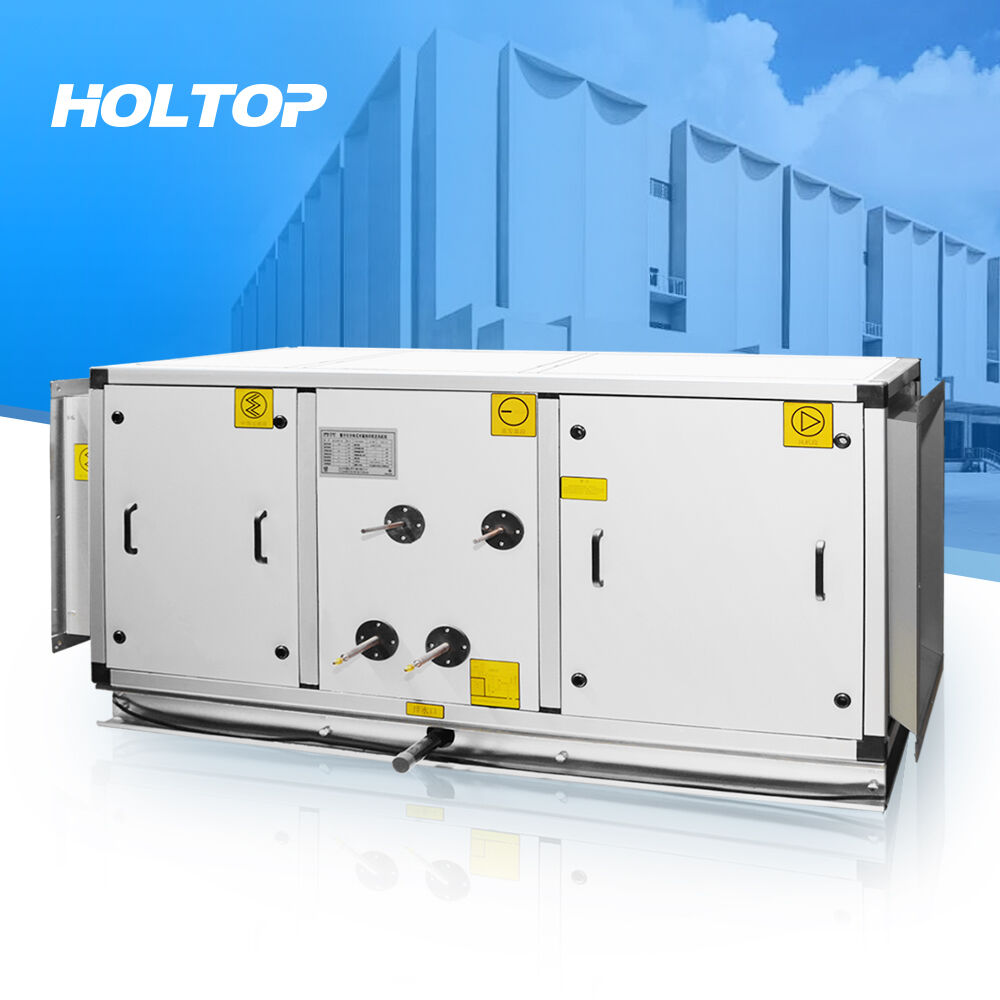
Understanding the AC Unit Air Handler and Its Role in System Efficiency
The Role of Air Handlers in an HVAC System
The air handler in an AC unit is basically what makes sure cool or warm air gets spread around the whole building. When it pushes air through those ducts, rooms stay at comfortable temperatures instead of some being too hot while others freeze. Newer models come with compressors and thermostats built right in, which helps keep temperatures just where they should be. According to recent studies from 2023, these upgraded systems can actually run about 18 percent better than the old ones did back in the day. That means not only do homes feel better climate-wise, but energy bills tend to shrink a bit too.
Key Components: Blower, Evaporator Coil, and Housing
Three core components determine an air handler’s performance:
- Blower: Delivers adjustable airflow to meet cooling demands
- Evaporator Coil: Absorbs heat from indoor air via refrigerant
- Housing: Encloses components to minimize air leaks and noise
Well-maintained evaporator coils enhance heat transfer efficiency by 22%, while sealed housings prevent energy loss from leakage, maintaining system integrity.
How Precise Airflow Control Enhances Overall Efficiency
Air handlers that are high efficiency typically come equipped with variable speed motors which can tweak the airflow according to what's needed at any given moment. This helps prevent something called compressor short cycling, where the system turns on and off too frequently. Short cycling wears out components faster and actually makes energy bills go up between 9 to 15 percent according to HVAC standards from last year. Another benefit of these modern systems is how they distribute air evenly throughout different spaces in a building. No more dealing with those annoying hot spots in one room while another feels like an icebox. The improved airflow management cuts down on how long the system runs each day by about two and a half hours on average because everything operates more efficiently when it's properly balanced.
Common Causes of HVAC Overheating Due to AC Unit Air Handler Failure
Poor airflow from clogged filters and blocked ducts
When airflow gets restricted, it's usually what causes air handlers to overheat, and this problem actually accounts for about two thirds of all HVAC compressor failures. The dust that builds up inside air filters can really mess things up too. According to those ASHRAE guidelines we all know about, filter dirtiness can boost airflow resistance by as much as four times normal levels. What happens next? Blower motors have to push harder just to get air moving through the system. At the same time, less air reaches the evaporator coil where it's needed most. This creates a real problem because the system starts trapping heat instead of releasing it properly, putting extra strain on everything from the coils to the compressors themselves.
Compressor strain caused by heat buildup and blower failure
When there isn't enough airflow, the air handler just can't move heat around properly anymore. The refrigerant gets stuck holding onto all that heat it picked up, so the compressor starts running hotter than it should. We've seen this happen time and again where the blower motor gives out first – these motors need to push between 800 and 1200 cubic feet per minute through most home systems. According to some recent research from last year on how HVAC systems perform, every time we lose 10 percent of our airflow, the compressor ends up working 21 percent harder to compensate. That means higher electricity bills and shorter equipment lifespan for homeowners who don't catch these issues early.
Frozen coils and low airflow: Symptoms of air handler dysfunction
When ice starts building up on those evaporator coils, it's usually a sign that something's wrong with the airflow and the whole system is starting to struggle. The problem gets worse when the airflow drops below around 350 cubic feet per minute for each ton of cooling power. At that point, the refrigerant temps start dropping fast, which makes moisture condense and freeze right onto the coil surface. Once that ice builds up, it blocks even more air from passing through, making things progressively worse over time. And this isn't just an inconvenience either. Looking at numbers from the EPA's Energy Star program shows these icy conditions can actually make the system work about 38 percent harder than usual, which definitely takes a toll on performance and efficiency.
Airflow Optimization: Preventing Overheating and System Stress
Identifying Weak Airflow and Uneven Cooling Patterns
Consistent airflow is essential to avoid compressor strain and overheating. Warning signs include weak vent output, inconsistent room temperatures, and frequent system cycling. These issues often stem from obstructed ducts or deteriorating blower components, requiring prompt diagnosis.
The Impact of Dirty Filters and Restricted Ductwork
Clogged filters and compressed ducts make HVAC systems work 20–40% harder, according to HVAC efficiency research. This added effort raises operating temperatures by 7–12°F in critical parts like capacitors and compressors. Reduced airflow also impairs evaporator coil performance, accelerating efficiency decline and increasing energy costs.
Solutions for Consistent, Efficient Airflow Delivery
To prevent airflow-related failures, implement these proven strategies:
- Replace filters monthly using MERV 8–11 rated materials
- Conduct duct pressure testing every 3–5 years to detect leaks or collapses
- Adjust balancing dampers seasonally to align with cooling needs
Annual professional inspections help verify blower motor performance, belt tension, and coil cleanliness–key factors in sustaining optimal airflow.
Professional Maintenance for Reliable AC Unit Air Handler Performance
Essential Maintenance Tasks: Filters, Belts, Lubrication, and Inspections
Keeping systems well maintained can stop around a quarter of all failures caused by dirt accumulation and parts wearing down over time according to ENERGY STAR data from last year. Most technicians focus on changing those pleated filters roughly once every one to three months before airflow drops by about thirty percent. They also spend time making sure the blower belts are properly tightened, applying non conductive grease to the bearings where needed, and looking closely at the seals around the housing for any signs of damage. The numbers back this up too. A recent study published in 2024 found that getting professional service done once per year actually adds about twenty percent more life to these systems, which makes good business sense when considering replacement costs.
What to Expect During Professional Air Handler Service
Certified HVAC professionals follow a 12-point checklist during tune-ups, including testing electrical connections, measuring refrigerant levels, and calibrating thermostat responses. They use thermal imaging to locate insulation gaps and static pressure gauges to identify duct restrictions. This proactive approach resolves 80% of efficiency issues before they lead to breakdowns.
How Regular Maintenance Prevents Overheating and Costly Repairs
When filters get dusty and belts go out of alignment, air handlers end up working about half again as hard as they should, which really takes a toll on motors and compressors over time. Regular checkups help prevent systems from getting too hot by keeping air flowing properly through coils and ducts. HVAC units that get looked at twice a year tend to cost around 30-35% less in repairs after five years or so, plus they usually save somewhere between 12-18% on electricity bills when temperatures spike during summer months. Makes sense why many facility managers now schedule these inspections every six months instead of waiting until something breaks down completely.
Upgrading to a High-Efficiency AC Unit Air Handler for Long-Term Savings
Modern HVAC systems equipped with high-efficiency air handlers reduce energy use by 20–30% compared to outdated units (ENERGY STAR®, 2023). These upgrades offset initial investment with long-term savings through smarter airflow management and reduced compressor strain.
Benefits of modern air handlers: Energy efficiency and smart controls
Newer models feature variable-speed blowers that maintain airflow within 2% of target levels, minimizing waste. Smart controls integrate with programmable thermostats and zoning systems to direct cooling where needed, while maintaining ideal humidity between 15–20% for comfort and air quality.
Signs your air handler needs repair or replacement
- Age: Units over 12 years operate at 40–50% lower efficiency (AHRI, 2022)
- Noise: Grinding or rattling indicates motor bearing wear
- Costs: An unexplained 18%+ rise in cooling bills suggests declining performance
Reducing wear and tear with proactive system upgrades
Getting rid of old air handlers before they break down saves money in the long run by preventing damage to other parts like compressors and duct systems. Newer models come with aluminum evaporator coils that resist corrosion and typically last around three times longer than traditional copper ones. They also have these brushless DC motors which means no more dealing with belt replacements down the road. When companies install these updated systems alongside regular checkups every six months or so, most maintain better than 90% efficiency throughout their 15 year lifespan according to industry standards. The combination of good equipment and proper maintenance really makes a difference in both performance and cost savings over time.
FAQ
What is an air handler in an AC unit?
An air handler in an AC unit is responsible for circulating the cooled or heated air throughout the building via the ductwork system, ensuring consistent temperature and comfort.
What are the core components of an air handler?
The core components of an air handler include the blower, evaporator coil, and housing which are essential for delivering airflow, absorbing heat, and minimizing air leaks respectively.
How can I prevent HVAC overheating?
Prevent HVAC overheating by ensuring regular maintenance, replacing filters monthly, conducting duct pressure testing every few years, and adjusting balancing dampers seasonally.
What are the benefits of high-efficiency air handlers?
High-efficiency air handlers offer better energy management, reduced compressor strain, smart controls, and overall cost savings due to increased efficiency.
Table of Contents
- Understanding the AC Unit Air Handler and Its Role in System Efficiency
- Common Causes of HVAC Overheating Due to AC Unit Air Handler Failure
- Airflow Optimization: Preventing Overheating and System Stress
- Professional Maintenance for Reliable AC Unit Air Handler Performance
-
Upgrading to a High-Efficiency AC Unit Air Handler for Long-Term Savings
- Benefits of modern air handlers: Energy efficiency and smart controls
- Signs your air handler needs repair or replacement
- Reducing wear and tear with proactive system upgrades
- FAQ
- What is an air handler in an AC unit?
- What are the core components of an air handler?
- How can I prevent HVAC overheating?
- What are the benefits of high-efficiency air handlers?