 EN
EN

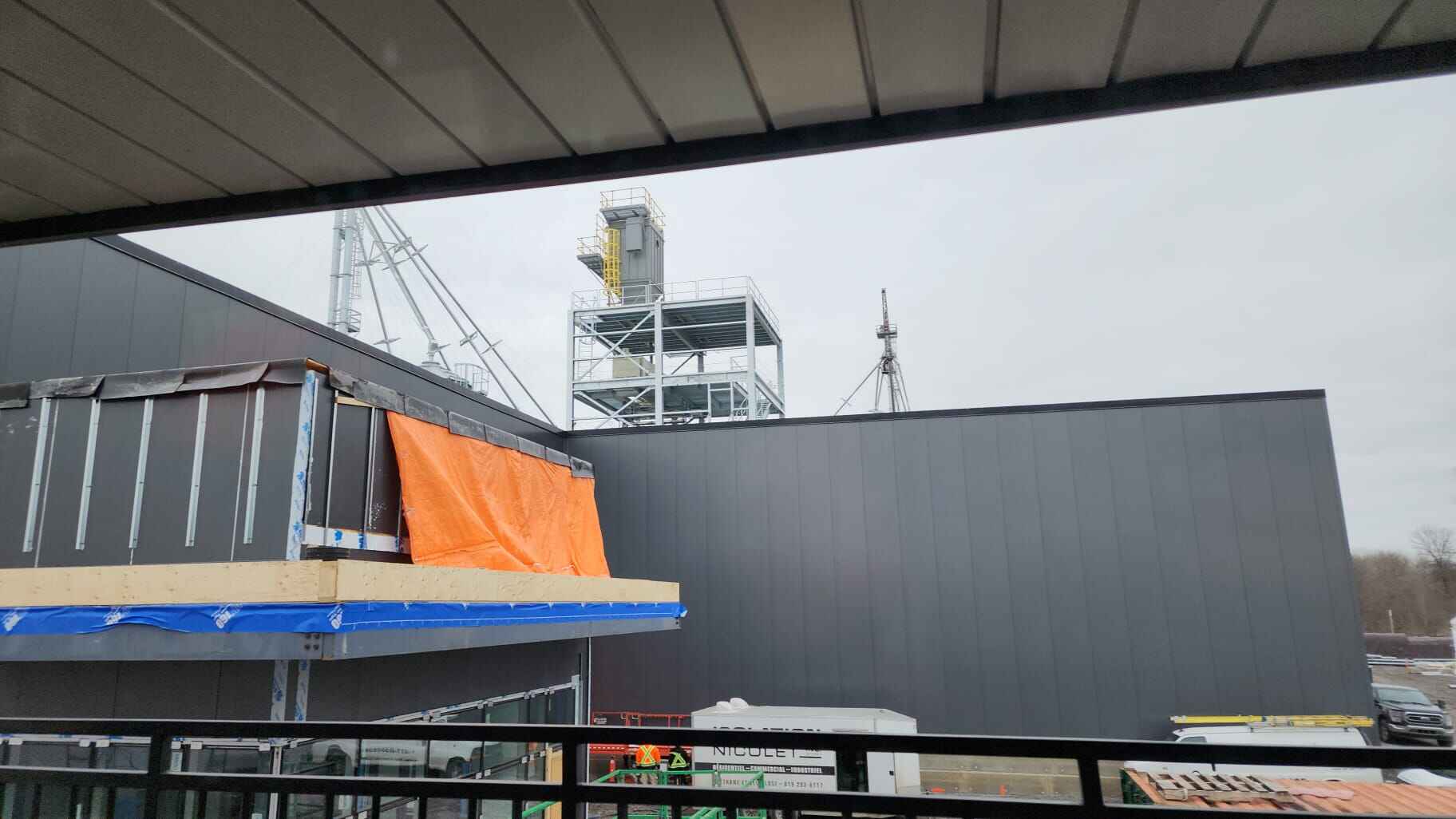
Accurate Load Calculation and Thermal Management for Large-Scale HVAC Systems
The Importance of Heat Load Calculation in Commercial Building Performance
Getting accurate heat load calculations right matters a lot for how well HVAC systems work and how long they last. The folks at ASHRAE have shown through their Heat Balance Method that when there are mistakes bigger than 15% in these calculations, it can actually drive up energy bills by as much as 30% in commercial spaces. When HVAC units are too big, they tend to turn on and off too frequently, which wastes around 18% extra energy according to research from NREL back in 2023. On the flip side, if systems aren't sized properly for what's needed, especially during those hot summer days or cold winter nights, they simply won't keep up. This leads not only to uncomfortable occupants but also puts unnecessary strain on equipment that shortens its useful life considerably.
Applying ASHRAE Standards for Reliable Load Estimation
ASHRAE Standard 90.1-2022 requires climate-zone-specific calculations that account for regional temperature extremes and humidity fluctuations. A 2023 DOE analysis found that adherence to these standards reduced cooling loads by 25-30% compared to rule-of-thumb sizing methods, highlighting their critical role in sustainable design.
Integrating Internal and External Load Factors: Occupancy, Solar Gain, and Building Envelope
Modern load calculations integrate four key variables:
- Occupant density (3.5 W/m² for offices vs. 8 W/m² for retail per ASHRAE 62.1)
- Solar heat gain coefficients (SHGC) of glazing
- Insulation R-values
- Air leakage rates (7 0.25 CFM/ft² for tight envelopes)
A 2024 case study in Chicago demonstrated that optimizing these factors reduced HVAC runtime by 22% in a 10,000 m² warehouse, showcasing the tangible benefits of comprehensive modeling.
Leveraging Dynamic Simulation Tools for Real-Time Thermal Modeling
EnergyPlus and TRNSYS achieve up to 92% accuracy in predicting 24-hour load profiles (IBPSA 2023), analyzing over 15 concurrent variables such as transient wall heat flux, equipment schedules, and real-time weather data. In the same Chicago project, dynamic simulations enabled precise chiller sizing, avoiding $740,000 in unnecessary capital expenditures.
Selecting the Right HVAC System Type Based on Building Size and Layout
Rooftop Units (RTUs) vs. VRF Systems: Suitability for Large Footprints
Rooftop units (RTUs) offer cost-effective climate control for buildings under 50,000 sq. ft., with straightforward installation and minimal indoor space use. For facilities exceeding 100,000 sq. ft., variable refrigerant flow (VRF) systems deliver 19-23% greater energy efficiency than RTUs through dynamic zoning, adapting seamlessly to irregular occupancy patterns without sacrificing comfort.
Central vs. Modular HVAC Systems: Balancing Scalability and Maintenance
Centralized systems reduce operational complexity in single-use facilities like warehouses by consolidating mechanical components. Modular designs are better suited for mixed-use or phased developments, enabling 34% faster capacity adjustments while maintaining independent zone control across expanding footprints.
Matching HVAC System Type to Functional Space Requirements
Specialized environments demand tailored airflow solutions:
- Dedicated outdoor air systems (DOAS) for humidity-sensitive labs
- Displacement ventilation in tiered theaters
- Gas-fired rooftop units in high-ceiling manufacturing plants
Thermal zoning must support sub-3°F differentials between adjacent zones in facilities with simultaneous heating and cooling needs, ensuring both comfort and process stability.
Optimizing Ductwork Design and Air Distribution in High-Volume Environments
Challenges of Airflow Uniformity and Recirculation in Large Spaces
Achieving consistent airflow in warehouses, auditoriums, and industrial spaces requires mitigating stagnant zones and vertical temperature stratification. Poorly designed duct layouts create recirculation currents and uneven distribution, undermining thermal comfort and system efficiency.
Proper Duct Sizing: Managing Static Pressure and Air Velocity
Effective duct design balances static pressure constraints with recommended air velocities1,200-2,200 ft/min in main runs and 600-900 ft/min in branches. Undersized ducts increase resistance, forcing HVAC equipment to work 18-34% harder; oversized ducts raise material costs and reduce velocity, leading to poor air mixing and stratification.
Advanced Zoning and Diffusion Strategies Using Computational Fluid Dynamics
Computational fluid dynamics or CFD allows engineers to simulate how air moves around in actual environments. Researchers at Stanford published findings last year about a new approach developed by Tang and colleagues. Their system uses rules to automatically figure out where ducts should go and where to place air vents, which saves designers almost half the time they would normally spend on these tasks manually. The improvements are especially noticeable when it comes to placing nozzles correctly and dividing spaces into proper zones. Industrial facilities with tall ceilings benefit greatly from this technology since getting airflow right in those spaces can be quite challenging without such advanced modeling techniques.
Benefits of Fabric Ducts and Nozzle-Based Systems in Industrial Applications
Fabric ducts with directional nozzles provide 30% faster cooling in manufacturing environments compared to traditional metal ducts. Their porous surface allows uniform passive diffusion, eliminating hotspots near machinery while operating at noise levels 18 dB lower than conventional systems.
Reducing Energy Loss with Sealed and Insulated Duct Networks
Sealing joints with mastic reduces air leakage by up to 90%, while R-8 insulation cuts thermal transfer losses by 60% in unconditioned spaces. Implementing semi-annual pressure decay testing helps maintain system integrity, preserving 9-12% of annual HVAC energy consumption.
Meeting Ventilation and Indoor Air Quality Standards in Large Facilities
Designing HVAC systems for large facilities demands careful integration of airflow dynamics, regulatory compliance, and energy conservation. Modern designs must adapt to fluctuating occupancy and ventilation requirements without compromising indoor air quality.
Sizing Make-Up Air Systems for High-Occupancy and Industrial Buildings
Getting the right amount of make-up air into buildings stops problems with negative pressure and makes sure that whatever gets exhausted is properly replaced. When looking at places like manufacturing facilities or large sports venues, engineers need to consider several factors. First, how many people will be there? Usually around 25 to 35 folks per thousand square feet. Then there's the heat generated by processes running inside, which can reach up to 500 watts per square meter. And let's not forget about pollutants either, especially things like welding fumes that hang around if not properly managed. For automotive assembly plants specifically, most experts recommend between six and twelve complete air exchanges every single hour according to research from the Department of Energy back in 2023. Following these ventilation guidelines helps keep carbon dioxide levels under control, ideally below 1,000 parts per million, and also protects against unnecessary strain on heating systems caused by poor airflow management.
Complying with ASHRAE 62.1 for Healthy Indoor Air Quality
ASHRAE Standard 62.1 mandates 17-27 CFM of outdoor air per person in commercial spaces. Critical environments exceed baseline needs: surgical suites require 100% fresh air cycles, and semiconductor cleanrooms employ HEPA filters with MERV 16+ efficiency. Recent updates emphasize reducing volatile organic compounds (VOCs) by 45% relative to 2019 levels.
Balancing Fresh Air Intake with Energy Efficiency Demands
Energy recovery ventilators, or ERVs for short, can capture around 60 to 75 percent of the heat from air that gets exhausted out of buildings. This actually cuts down on heating expenses by as much as 40% in really cold areas. Pair these systems with smart carbon dioxide sensors along with those variable air volume controls, and they become capable of adjusting ventilation based on actual needs. Some big stadiums have adopted this setup and seen their energy bills drop by about 28% during major events. Another thing worth mentioning is insulation quality for ductwork. Good insulation helps reduce heat losses through the system itself by somewhere between 18% and 22%, according to research published by ACCA back in 2023.
Improving Energy Efficiency and Sustainability in Big-Space HVAC Design
Reducing Operational Costs Through Efficient System Design
Right-sized HVAC systems with variable-speed compressors and optimized airflow reduce energy waste by 15-25%, significantly lowering utility bills in warehouses and convention centers. Routine maintenanceincluding coil cleaning and refrigerant charge checksprevents gradual performance degradation and extends equipment life.
Deploying VRF, Heat Recovery, and Smart Controls for Net-Zero Goals
When VRF systems work alongside heat recovery technology, they can actually send wasted heat from one area of a building to another where it's needed, cutting energy costs by around 35-40% in big commercial spaces according to industry reports. The smart thermostats these days don't just sit there collecting dust either they actively tweak temperatures when no one is around, saving even more power. Meanwhile, modern building automation systems look at upcoming weather patterns and start cooling down ahead of time during those cheaper electricity periods. All these approaches fit pretty well with what ASHRAE has been pushing for years regarding their goal of getting commercial buildings to produce as much energy as they consume over time.
IoT and AI Integration: Enabling Predictive Maintenance and Demand-Controlled Ventilation
Machine learning algorithms look at past performance data and can spot potential equipment problems about two to three weeks before they happen. This early warning system cuts down on unexpected shutdowns by around 15% for big manufacturing plants and similar facilities. Meanwhile, those wireless carbon dioxide sensors are making ventilation systems smarter too. They adjust how much outside air comes in based on actual needs, which saves about 30% on air intake costs while still keeping indoor air quality good enough for workers. According to research published last year, when factories upgrade their heating, ventilation and air conditioning systems with artificial intelligence, they tend to see energy savings somewhere between 12 and 18 kilowatt hours per square meter each year across their operations.
FAQ Section
What is the significance of accurate load calculation in HVAC systems?
Accurate load calculation in HVAC systems ensures optimal performance and energy efficiency. Errors in calculation can lead to oversized or undersized systems, resulting in increased energy consumption and reduced lifespan of equipment.
How do modern load calculations integrate various factors?
Modern load calculations consider occupant density, solar heat gain coefficients, insulation R-values, and air leakage rates to provide a more comprehensive and accurate analysis.
Why is dynamic simulation crucial for thermal modeling?
Dynamic simulation tools like EnergyPlus and TRNSYS offer high accuracy in predicting load profiles, aiding in precise equipment sizing and significant cost savings on capital expenditures.
What is the role of ASHRAE standards in HVAC design?
ASHRAE standards provide guidelines for climate-zone-specific calculations, reducing cooling loads and influencing sustainable design in HVAC systems.
How do VRF systems compare to RTUs?
Variable refrigerant flow (VRF) systems offer greater energy efficiency than rooftop units (RTUs) for large facilities by using dynamic zoning to adapt to occupancy patterns.
What benefits do fabric ducts provide in industrial settings?
Fabric ducts with directional nozzles accelerate cooling and ensure uniform diffusion, reducing noise levels and hotspots near machinery.
How can energy recovery ventilators improve efficiency?
Energy recovery ventilators capture heat from exhaust air, significantly reducing heating expenses and adjusting ventilation based on real-time needs.
Table of Contents
-
Accurate Load Calculation and Thermal Management for Large-Scale HVAC Systems
- The Importance of Heat Load Calculation in Commercial Building Performance
- Applying ASHRAE Standards for Reliable Load Estimation
- Integrating Internal and External Load Factors: Occupancy, Solar Gain, and Building Envelope
- Leveraging Dynamic Simulation Tools for Real-Time Thermal Modeling
- Selecting the Right HVAC System Type Based on Building Size and Layout
-
Optimizing Ductwork Design and Air Distribution in High-Volume Environments
- Challenges of Airflow Uniformity and Recirculation in Large Spaces
- Proper Duct Sizing: Managing Static Pressure and Air Velocity
- Advanced Zoning and Diffusion Strategies Using Computational Fluid Dynamics
- Benefits of Fabric Ducts and Nozzle-Based Systems in Industrial Applications
- Reducing Energy Loss with Sealed and Insulated Duct Networks
- Meeting Ventilation and Indoor Air Quality Standards in Large Facilities
- Improving Energy Efficiency and Sustainability in Big-Space HVAC Design
-
FAQ Section
- What is the significance of accurate load calculation in HVAC systems?
- How do modern load calculations integrate various factors?
- Why is dynamic simulation crucial for thermal modeling?
- What is the role of ASHRAE standards in HVAC design?
- How do VRF systems compare to RTUs?
- What benefits do fabric ducts provide in industrial settings?
- How can energy recovery ventilators improve efficiency?