 EN
EN

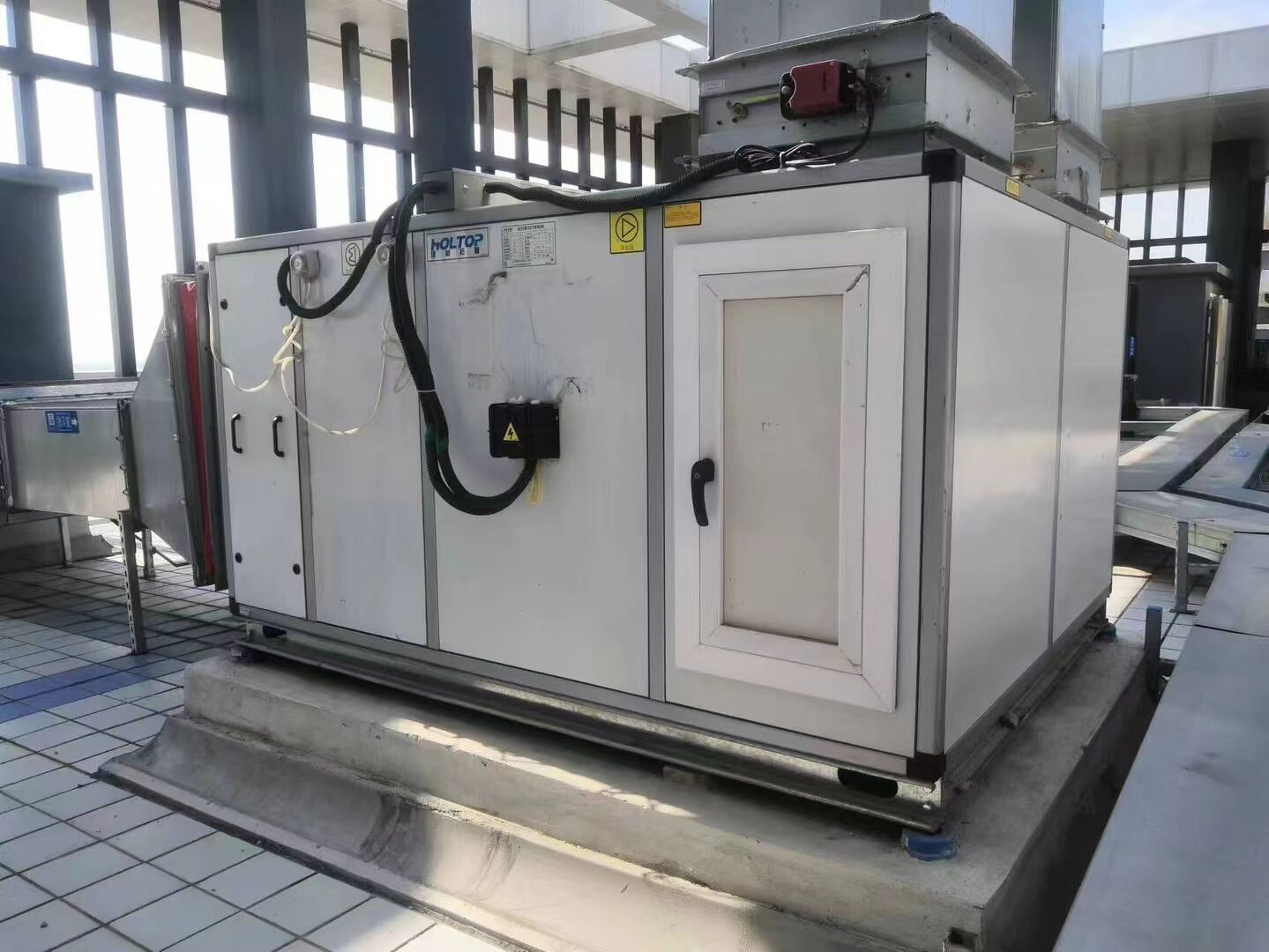
Assessing the Current HVAC System for Retrofitting Opportunities
Evaluating System Age and Performance History of Existing HVAC Systems
Start with making a list of everything in the HVAC system, furnaces, ducts, thermostats, the whole works. Older systems tend to run about 30 percent less efficiently compared to newer models according to recent industry reports. Looking back at past performance records can help spot problems that keep coming up again and again, like when the system cycles on and off too much or rooms get too hot or cold. These are often red flags pointing to worn out compressors or refrigerant leaks somewhere in the system. When it comes time for proper checks, most technicians follow established industry standards for evaluating older equipment, so it makes sense to consult those same guidelines for thorough assessments.
Identifying Inefficiencies Through Energy Audits and Load Calculations
Professional energy audits reveal inefficiencies using blower door tests and thermal imaging, often uncovering 15–35% potential energy savings in older systems (DOE 2023). Manual J load calculations are essential for right-sizing new equipment, factoring in building orientation, window performance, insulation levels, and local climate–elements frequently ignored in original installations.
Determining Compatibility With Modern Upgrades and Legacy Components
Review manufacturer specifications to determine which existing components can integrate with smart thermostats or variable-speed compressors. Many pre-2010 systems require electrical panel upgrades to support modern accessories like air purifiers or zoning dampers. Conducting early compatibility checks helps avoid unexpected costs and ensures a smooth retrofit process.
Upgrading to High-Efficiency HVAC Equipment for Energy Savings
Replacing Outdated Furnaces and Air Conditioners With High-Efficiency Models
Replacing 15-year-old HVAC units with ENERGY STAR® certified models—such as 16+ SEER air conditioners and 90+ AFUE furnaces—can reduce annual energy costs by up to 30%. Modern variable-speed compressors and modulating burners adjust output based on real-time demand, eliminating the energy spikes associated with single-stage systems.
Installing Heat Pumps for Dual Heating and Cooling Efficiency
Cold-climate heat pumps now function efficiently down to -13°F (-25°C), per ASHRAE 2025 standards, making them viable alternatives to gas furnaces in most regions. These systems deliver 3–4 times more heating energy than the electricity they consume, translating to average annual savings of $490–$740 (Ponemon 2023 case data).
Sizing and Configuring New HVAC System Components Correctly
Oversized HVAC units waste approximately $220 per year due to short cycling, according to ACCA Manual J calculations. A retrofit in a 1,800 sq ft Michigan home demonstrated a 24% reduction in heating costs after replacing an oversized 100k BTU furnace with a properly sized 60k BTU two-stage unit.
Case Study: Energy Savings After Upgrading to High-Efficiency Equipment
In 2025, a Tennessee office building replaced its 2005 HVAC system with a 19 SEER heat pump and smart zoning controls. The upgrade reduced annual energy consumption by 31%, with utility rebates covering 25% of project costs. Post-installation, temperature complaints dropped by 87%, confirming both efficiency and comfort improvements.
Modernizing Control Systems with Smart Thermostats and Automation
Integrating Smart Thermostat Integration with Old HVAC Systems
Retrofitting smart thermostats into older systems requires verifying voltage compatibility and communication protocols. Professional installers use interface modules to connect legacy HVAC equipment with modern controls, enabling remote temperature adjustments via smartphone without replacing functional hardware. This approach preserves existing infrastructure while adding intelligent control capabilities.
Implementing Smart Controls and Automation for Optimal Scheduling
Smart automation platforms reduce HVAC runtime by 28% (ENERGY STAR 2023) through occupancy-based scheduling. Geofencing adjusts system operation based on residents’ proximity, while vacation modes maintain efficient settings during absences. Integration with building management systems enables zone-specific control, ensuring unoccupied areas don’t consume unnecessary energy.
Remote Monitoring and Adaptive Learning Features in Modern Thermostats and Controls
Today's smart thermostats employ machine learning algorithms to study how people actually use their homes and adjust heating and cooling schedules accordingly. The cloud connection means homeowners get instant notifications on their phones, plus these modern units can work alongside older HVAC systems thanks to compatibility features built right in. Studies show that when installed as retrofits, these advanced thermostats typically cut energy bills by somewhere between 15 and 20 percent each year. What makes them really useful is their ability to sense when seasons change and tweak settings without anyone needing to touch a dial, keeping the house comfortable without overworking the furnace or air conditioner.
Improving Ductwork, Insulation, and Air Distribution Efficiency
Upgrading Ductwork and Insulation to Reduce Energy Loss
Old fiberglass wrapped ducts should be swapped out for either rigid insulated metal or flexible elastomeric tubing options. These newer materials cut down on heat loss by around 40 percent when compared to what was used before. For sealing purposes, make sure to use mastic that meets UL-181 standards or go with foil tape at all the joints where air might escape. Don't forget about those ducts running through areas not climate controlled such as attic spaces. Insulating them properly to at least R-8 level ensures better temperature control throughout the building. This kind of upgrade makes a real difference in maintaining comfortable indoor conditions while also improving overall system efficiency.
Sealing Leaks and Improving Airflow in Older HVAC Configurations
Legacy duct systems commonly suffer from:
- Sharp bends causing turbulent airflow (reducing efficiency by 15–20%)
- Gaps at connections losing 10–25% of conditioned air
- Undersized trunk lines forcing blowers to overwork
Pressure testing identifies leakage points, while airflow balancing optimizes damper positions. A 2023 retrofit project achieved 27% energy savings after sealing leaks and rebalancing airflow in pre-1990 ductwork.
Considering Ductless Mini Splits for Targeted Climate Control
Ductless mini split systems completely get rid of those pesky distribution losses, which makes them really good choices for old buildings where putting in ductwork just isn't feasible. They work great for adding new rooms that need their own temperature controls, or fixing those annoying spots in a house that stay either super hot or freezing cold no matter what. A recent study from Mitsubishi Electric found that these ductless units run about 30 to 35 percent more efficiently when installed as retrofits compared to regular ducted systems. But interestingly enough, many homeowners find that mixing ductless with some traditional ductwork actually gives the most balanced comfort throughout the entire home.
Enhancing Indoor Air Quality and Energy Recovery in Retrofitted HVAC Systems
Installing Improved Filtration Systems for Allergen and Particulate Reduction
Better filtration systems can cut down on airborne contaminants anywhere from 40 to 60 percent according to that latest Indoor Air Quality Report we saw come out last year. HEPA filters are pretty impressive actually capturing almost all those tiny particles down to 0.3 microns in size. Electrostatic filters work differently but still get the job done by pulling in things like pollen and dust that float around our spaces. What's really interesting though is when these filtration systems are combined with UV-C lighting technology. This setup doesn't just filter air it actively kills off bacteria and viruses floating through the environment which obviously helps people breathe easier. Recent research published in 2024 found something else fascinating too buildings that upgraded their ventilation systems saw a drop of about 22% in carbon dioxide levels inside. That kind of improvement matters for everyone who spends time indoors day after day.
Adding Heat Recovery Ventilators (HRVs) for Fresh Air Without Energy Loss
Heat recovery ventilators can capture around 70 to maybe even 80 percent of the thermal energy when exchanging air, which cuts down on heating bills and AC usage somewhere between 15% to 30% according to DOE data from last year. These systems work by moving heat from outgoing air to what's coming in fresh, so homes stay ventilated all day long without throwing away precious energy. For folks living in places where it gets really damp outside, there are special models called ERVs too. They handle both heat and moisture transfer at the same time, keeping indoor humidity levels under control typically below that sweet spot of 50%. Most people find this range comfortable while avoiding mold problems and other health issues related to excess moisture inside buildings.
Implementing Demand-Controlled Ventilation (DCV) Based on Occupancy
Demand controlled ventilation systems work by using carbon dioxide detectors or motion sensors that tweak airflow as needed, which can slash fan energy consumption around 35% in areas where people come and go throughout the day. These intelligent vent systems send cooled or heated air just to the parts of a building where activity is happening, making folks more comfortable and keeping the HVAC system running less often. A case study from an office building that upgraded their system showed savings of about 18 cents per square foot on yearly ventilation expenses, all while maintaining good indoor air quality standards.
Balancing Air Tightness and Indoor Air Quality in Retrofitted Buildings
Once retrofitted, buildings need to strike a good balance between making them tighter against outside air and still getting enough fresh air inside, otherwise we risk problems like overpressurization and all sorts of indoor pollutants building up. According to ASHRAE guidelines, somewhere around 0.10 to 0.35 air changes per hour seems ideal when combining mechanical ventilation systems with proper sealing techniques. Recent studies from the EPA back this up too. Their 2023 analysis showed that these balanced approaches actually save about 25 percent more energy than just sealing everything up tight and hoping for natural airflow alone. Makes sense really, because while tight buildings keep out drafts, they also trap bad stuff inside if not ventilated properly.
FAQ
What are the benefits of upgrading to a high-efficiency HVAC system?
Upgrading to a high-efficiency HVAC system can significantly reduce energy costs, improve indoor air quality, and enhance comfort. High-efficiency models adjust output based on demand, eliminating energy spikes and waste, and they are often compatible with smart controls and automation, further optimizing performance.
How do smart thermostats improve HVAC system efficiency?
Smart thermostats improve HVAC system efficiency by learning user habits and adjusting heating and cooling schedules accordingly. They allow remote management via smartphones and integrate with existing systems, reducing energy bills by 15 to 20 percent annually by maintaining optimal settings without manual intervention.
What is the role of ductless mini-split systems in HVAC retrofitting?
Ductless mini-split systems are used in retrofits to eliminate distribution losses associated with ductwork. They are ideal for old buildings where duct installation isn't feasible and offer targeted climate control for specific rooms or zones, enhancing energy efficiency and overall comfort.
Why is proper insulation important in HVAC systems?
Proper insulation is crucial in HVAC systems as it reduces heat loss and improves energy efficiency. Upgrading insulation in ductwork and climate-controlled spaces ensures better temperature regulation, decreases energy consumption, and enhances the overall performance of the HVAC system.
How does demand-controlled ventilation contribute to energy savings?
Demand-controlled ventilation contributes to energy savings by using sensors to adjust airflow based on occupancy. This system ensures that HVAC outputs are targeted only to occupied areas, reducing unnecessary energy expenditure and maintaining air quality standards.
Table of Contents
- Assessing the Current HVAC System for Retrofitting Opportunities
- Upgrading to High-Efficiency HVAC Equipment for Energy Savings
- Modernizing Control Systems with Smart Thermostats and Automation
- Improving Ductwork, Insulation, and Air Distribution Efficiency
- Enhancing Indoor Air Quality and Energy Recovery in Retrofitted HVAC Systems
-
FAQ
- What are the benefits of upgrading to a high-efficiency HVAC system?
- How do smart thermostats improve HVAC system efficiency?
- What is the role of ductless mini-split systems in HVAC retrofitting?
- Why is proper insulation important in HVAC systems?
- How does demand-controlled ventilation contribute to energy savings?