 EN
EN

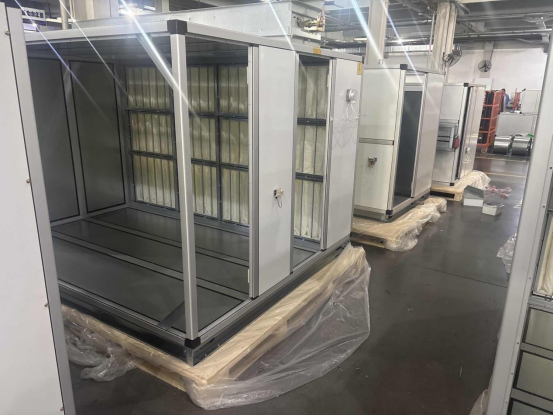
The Role of Air Handling Units in HVAC Energy Efficiency
How Air Handling Units Contribute to Energy Efficiency
Air handling units or AHUs really boost how efficient HVAC systems are when it comes to using energy. They work their magic by getting the airflow just right and bringing in some pretty smart tech these days. Take modern VAV systems for example they adjust airflow depending on what's actually needed at any given moment. Industry folks have seen energy savings drop around 30 or so percent compared to those old fixed speed systems. Then there are these things called energy recovery ventilators or ERVs that take heat and moisture from exhaust air and pass it along to fresh air coming in. This cuts down on both heating and cooling demands quite a bit. During cold months, ERVs typically grab about half to four fifths of that wasted heat, which means boilers don't need to run as often and saves money on energy bills overall.
Energy Efficiency Benefits of Modern Air Handling Unit Designs
Contemporary AHUs are engineered for component synergy:
- Variable Speed Drives (VSDs) dynamically match fan and pump speeds to building load demands, eliminating the inefficiencies of constant-speed operation.
- High-efficiency MERV 13+ filters reduce airflow resistance by 15–20% compared to older models, decreasing fan power requirements.
- ECM motors consume approximately 30% less energy than traditional AC motors, as documented in HVAC industry benchmarks.
Together, these advancements can reduce HVAC energy use by 25–40% in commercial buildings.
How Is AHU Efficiency Calculated?
When looking at how well an Air Handling Unit (AHU) performs, technicians often check two main metrics: the Sensible Heat Ratio (SHR) and the Coefficient of Performance (COP). The SHR basically tells us what portion of the cooling effect comes from actual temperature drop versus moisture removal. Most systems work best when their SHR falls somewhere around 0.6 to 0.8, which means they're doing a solid job with humidity control. As for COP, this number shows how much heating or cooling we get out compared to what goes in electrically. Modern day AHUs generally hit COP ratings between 4 and 5, so for every kilowatt hour of power used, these units can produce about four times that amount in cooling capacity. Units that carry the Energy Star label usually punch above their weight class too, delivering roughly 10% to 15% better performance than regular models according to independent tests conducted by outside labs.
Improvement of System COP Using Air Handling Units
When AHUs are combined with heat recovery systems, the overall efficiency of HVAC systems typically goes up between 20% and 30%. Take for instance when someone pairs a gas fired heat pump with what's called a rotary heat exchanger. The result? In places with mild weather, the coefficient of performance jumps from around 3.5 all the way to about 4.2. And there's another trick too. Managing airflow strategically makes a big difference. Cutting back on how much air gets circulated at night when buildings are empty reduces how often compressors need to kick in. This saves money over time while still keeping the indoor air fresh enough for occupants during regular hours.
Key Energy-Saving Components in Air Handling Units
Variable Speed Drives (VSDs) for Dynamic Airflow Control
Today's air handling units typically come equipped with Variable Speed Drives or VSDs for adjusting fan speeds based on how many people are around and what the temperature feels like inside. These drives match airflow to what's actually needed rather than running at maximum all the time, which means wasting far less energy overall. When running at just 80 percent capacity, these drives cut down on fan power usage by almost half according to recent studies from ASHRAE back in 2023. The ability to adjust speeds not only helps equipment last longer since there's less strain on components, but it also keeps the air circulating properly throughout buildings so everyone stays comfortable regardless of outside weather changes.
Efficient Filtration Systems Reducing Fan Energy Load
Getting good air quality without creating too much resistance is what advanced filtration systems are all about. Research published in 2023 found something interesting about filter upgrades. When moving from standard MERV 8 filters to higher efficiency MERV 13 models, the static pressure only goes up by around 0.15 inches of water gauge if these filters are kept clean and well maintained. That might not seem like much, but consider this: fans consume between 25% and 35% of total energy used in commercial HVAC systems. So even tiny improvements in how easily air moves through the system can translate into real money saved on electricity bills over time. Facility managers should definitely keep this relationship between filter performance and energy costs in mind when making maintenance decisions.
Energy-Efficient Motors, Fans, and Controls
ECMs have an impressive efficiency rating between 92 and 96 percent, which beats out traditional induction motors that typically run at around 80 to 85 percent efficiency. These motors adjust their speed and torque automatically, making them much more efficient overall. The efficiency gets even better when paired with modern fan designs that cut down on turbulence losses by nearly 20%, according to research from Air Movement Institute in 2023. This combination really cuts back on power consumption no matter what condition the system is running in. Smart sensors take things one step further, allowing for complete optimization of AHU performance based on actual load requirements rather than fixed settings.
Heat Recovery and Free Cooling Technologies in AHUs
Heat Recovery Systems in Air Handling Units
Heat recovery systems capture 50–70% of thermal energy from exhaust air, reducing heating and cooling loads by up to 35% (Bai et al. 2022). Common types include:
- Run-around coils: Transfer heat via water circulation between supply and exhaust airstreams, reducing boiler demand by 25–40% in cold climates
- Plate heat exchangers: Achieve 60–80% heat transfer efficiency without cross-contamination between airstreams
These systems can lower annual HVAC energy costs by $0.15–$0.30 per square foot in commercial facilities, according to research on Air Handling Unit Design Best Practices.
Free Cooling and Economizers: Reducing Mechanical Cooling Demand
When the outside air gets cooler than what's inside, economizers kick in to handle cooling needs instead of turning on those expensive mechanical chillers. For buildings located in areas with mild weather patterns, these systems can cut down on cooling requirements anywhere from 30 to 50 percent according to research published last year by Liu and colleagues. During spring and fall months when temperatures fluctuate, indoor spaces might actually see temperature drops between 8 and 12 degrees Fahrenheit just from running an economizer properly. Some recent testing showed that when companies fine tune how their economizers work, they end up saving around 650 hours each year on mechanical cooling operations across standard office setups. That kind of efficiency makes a big difference over time for facility managers watching their energy bills.
Night Ventilation for Reducing Heat Pump Operation
Using the cool night air to clear out heat from buildings can really cut down on what needs to be cooled the next day. Studies show this approach typically brings down heat pump usage between 15 to maybe even 25 percent, and indoor temps during hot periods drop around 4 to 7 degrees Fahrenheit. Schools and big storage facilities tend to benefit most from this method since they often have large open spaces. The system works through automated dampers that open at night and smart airflow calculations that figure out just how much fresh air should come in. These technologies help get the most out of nighttime cooling without making indoor air quality problematic for occupants.
Smart Controls and Operational Optimization
Optimal Scheduling and Setpoints for Reduced Energy Use
Smart scheduling aligns AHU operation with occupancy patterns, delivering 12–18% energy savings. By adjusting temperature setpoints and enabling zonal control during unoccupied periods, intelligent systems avoid conditioning unused spaces. Facilities implementing time-based optimization report 35–40% lower after-hours cooling loads while maintaining occupant comfort.
Regular Monitoring and Data Analysis for AHU Performance Tuning
IoT-enabled monitoring continuously tracks parameters like static pressure, damper positions, and motor performance to detect inefficiencies early. Machine learning tools analyze historical data to predict maintenance needs and optimize operational settings. According to a 2023 Commercial Demand-Side Management Study, buildings using such analytics reduce HVAC energy consumption by 18–22% annually.
Optimization of Air Handling Unit Operation Modes (DC and NV)
Demand controlled ventilation systems work by adjusting airflow according to actual carbon dioxide levels detected in the space. This approach can cut down on fan energy consumption anywhere from about 25% up to around 30% in areas where people come and go throughout the day. Then there's night ventilation which takes advantage of cooler temperatures outside during evening hours to chill buildings before morning arrives. Studies suggest this method cuts back on the need for air conditioning during hot parts of the day by roughly 15% to maybe even 20% in regions with mild weather conditions. Putting these flexible approaches into practice helps building management systems run better no matter if it's summer or winter, morning rush hour or late at night when most folks have left for home.
Maintenance and Selection for Long-Term Energy Savings
Regular Maintenance of Commercial Air Handlers for Optimal Performance
Proactive maintenance improves AHU efficiency by 15–30% and extends equipment life (ASHRAE Journal 2023). A semiannual maintenance plan should include:
- Filter replacement (dirty filters increase fan energy use by 10–15%)
- Belt tension checks (misalignment wastes 5–8% of motor power)
- Coil cleaning (fouled coils reduce heat transfer efficiency by 25–40%)
Impact of Dirty Filters and Unbalanced Systems on Energy Consumption
Neglected AHUs consume 22% more energy annually than well-maintained units, according to the 2022 Commercial HVAC Efficiency Report. Unbalanced airflow increases duct leakage by 18% and forces compressors to work 30% harder under peak loads, accelerating wear and raising utility costs.
Key Factors in Selecting Energy Efficient Air Handling Units
When selecting AHUs, prioritize:
- Modular designs that support partial-load operation, offering 45% better efficiency than fixed-capacity systems
- ECM motors with 92% efficiency versus standard 80% models
- Full-rated filters designed to maintain pressure drops below 0.2" water column
Material selection in heat exchangers influences 12–15% of lifecycle energy costs due to differences in corrosion resistance and thermal conductivity.
Lifecycle Cost vs. Initial Investment in AHU Selection
Although high-efficiency AHUs carry a 20–35% higher upfront cost, they typically achieve payback within 9–12 years through energy and maintenance savings (DOE 2023). Lifecycle analysis shows that intelligent controls contribute 38% of total savings, while durable construction reduces maintenance expenses by 27% over a 15-year period.
Frequently Asked Questions
What is the role of air handling units in HVAC systems?
Air handling units (AHUs) are vital components in HVAC systems that help manage and circulate air effectively, contributing significantly to energy efficiency.
How do variable speed drives (VSDs) contribute to energy savings in AHUs?
VSDs adjust the fan speeds according to the demand, reducing energy waste and extending the lifespan of the equipment.
What are the benefits of using high-efficiency filters in AHUs?
High-efficiency filters, such as MERV 13+, reduce airflow resistance, thereby lowering fan power requirements and saving energy.
How does heat recovery work in air handling units?
Heat recovery systems capture thermal energy from exhaust air to precondition incoming air, reducing heating and cooling loads by up to 35%.
Why is regular maintenance important for AHUs?
Regular maintenance ensures optimal performance, reduces energy consumption, and extends the lifespan of AHU components.