 EN
EN

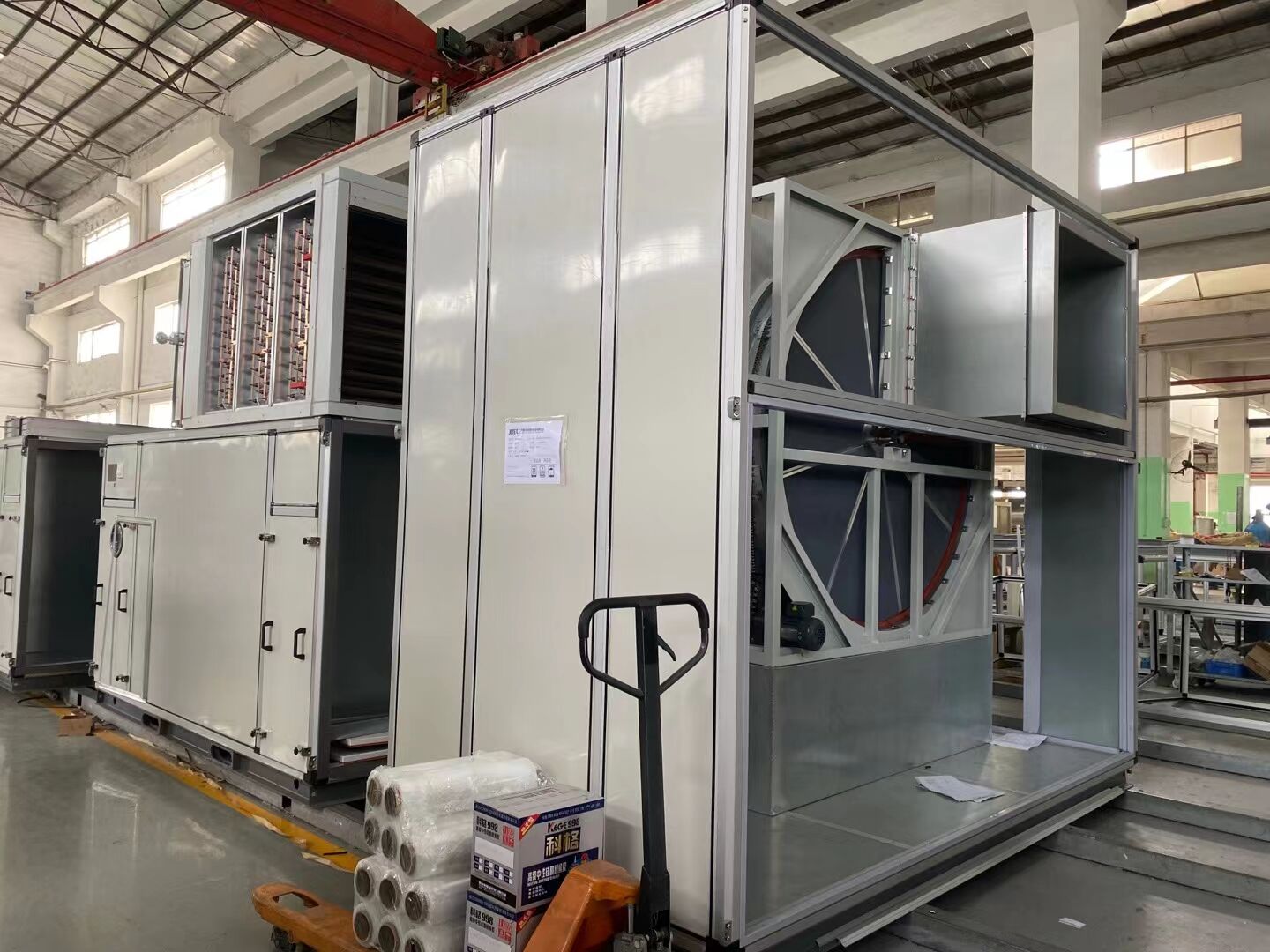
Understanding the Impact of Ventilation Systems on Workplace Efficiency
The link between ventilation system and improved energy efficiency
When ventilation systems are set up right, they actually save energy by matching how much air gets exchanged with what the building needs at any given time. According to some recent research from Design Collaborative back in 2023, heating, ventilation and air conditioning takes up about thirty percent of all energy used in commercial buildings. Making smart changes to airflow using those variable volume controls while also reducing pressure losses in the ductwork can really make a difference. Studies indicate these kinds of improvements typically bring down HVAC energy expenses between eighteen to twenty two percent across most office spaces.
How a well-designed ventilation system supports increased productivity
Employees in spaces with CO² levels below 800 ppm demonstrate 12% faster cognitive processing (ACDirect 2023). Stable thermal conditions–limiting temperature fluctuations to within ±1.5°F–are critical for sustained focus. Facilities using ASHRAE Standard 62.1-compliant ventilation report 23% fewer productivity dips linked to environmental discomfort.
Enhanced worker health and safety through proper air circulation
| Health Factor | Workplace Benefit |
|---|---|
| Airborne contaminants | 41% reduction in respiratory complaints |
| CO² concentration | 19% fewer fatigue-related errors |
| Humidity control | 27% lower viral transmission risk |
| Particulate filtration | 34% decrease in allergy-related absences |
Maintaining volatile organic compound (VOC) levels below 500 µg/m³ through regular air quality monitoring is essential for preventing chronic health issues, particularly in manufacturing and laboratory settings.
Optimizing Ductwork Design for Maximum Ventilation System Performance
Evaluating Current Duct Layout Using Ventilation System Performance Metrics
Assess ductwork efficiency using key metrics: airflow velocity (feet per minute), static pressure (inches of water column), and air changes per hour (ACH). Deviations exceeding 15% from ASHRAE Standard 90.1 benchmarks often indicate the need for redesign. A 2023 HVAC industry survey found that 62% of industrial plants operate beyond this threshold.
Optimizing Airflow and Duct Design for Minimal Resistance and Maximum Output
To reduce turbulence in ductwork, engineers should steer clear of those sharp bends whenever possible. Instead, they can go for angles above 45 degrees and incorporate smooth transitions when changing duct sizes. This makes all the difference in airflow efficiency. When it comes to sealing those joints, using good quality mastic or foil tape is essential. Most experts agree that keeping leakage under 12% is critical because even small leaks add up over time and waste a lot of energy, something the SMACNA standards definitely highlight. For anyone installing new systems, galvanized steel ducts paired with R-8 insulation at around 2 to 3 pounds per cubic foot density tend to work best for most applications. While there are other options out there, these materials generally strike a good balance between cost and performance across different operating conditions.
Common Inefficiencies in Existing Ductwork and How to Resolve Them
Five prevalent issues impair ventilation performance:
- Undersized trunk lines: Cause velocity spikes >2,000 FPM; resolve by increasing cross-sectional area
- Uninsulated return ducts: Result in 8–15% heat gain/loss; add minimum R-8 insulation
- Obstructed dampers: Reduce airflow by 20–35%; implement quarterly calibration
- Zoning imbalances: 40% of facilities lack pressure-independent balancing valves
- Flex duct overuse: Restricts airflow when stretched less than 94% of listed length
Manual D calculations and computational fluid dynamics (CFD) modeling correct 82% of these issues in retrofit scenarios (ACCA 2023 data).
Case Study: Energy Savings After Optimizing Ductwork in an Industrial Facility
A Midwest automotive plant reduced ventilation energy use by 30%, saving $18,500 annually, after upgrading its ductwork:
- Replaced 700 ft of corroded spiral ducts with double-wall aluminum
- Installed turning vanes at 26 elbow junctions
- Sealed 142 leaks using aerosol-based sealant technology Post-upgrade results showed static pressure dropped from 3.2" to 1.8" WC, and airflow uniformity improved from 64% to 89% compliance with ASHRAE 62.1-2022 standards.
Upgrading Ventilation System Components for Long-Term Energy Efficiency
Upgrading blowers and fans for efficiency without compromising airflow
Variable speed blowers and axial fans can cut down on energy consumption somewhere around 15 to maybe even 20 percent when compared against older fixed speed versions, all while still getting the job done in terms of airflow requirements according to that HVAC Efficiency Report from last year. What makes these newer systems so efficient is their ability to change output depending on what's actually needed at any given moment instead of just running full blast all the time which causes those annoying energy spikes during constant cycling. And speaking of fan design, backward curved centrifugal models equipped with those specially shaped blades manage to reach about 85% static efficiency mark. That puts them roughly 25 percentage points ahead of the old school forward curved designs that many facilities still rely on today despite their lower performance levels.
Benefits of energy-efficient components in commercial ventilation systems
Commercial buildings using energy recovery ventilators (ERVs) paired with HEPA filters save $1.2–$2.8 per square foot annually. Key benefits include:
- 18% lower fan power due to reduced duct static pressure
- 30% longer equipment lifespan from decreased thermal stress
- Reliable compliance with ASHRAE 62.1-2022 air change requirements
Cost-benefit analysis: Retrofitting vs. full ventilation system replacement
| Factor | Retrofitting Existing System | Full System Replacement |
|---|---|---|
| Upfront Cost | $8–$12k | $25–$40k |
| Typical Payback Period | 2–3 years | 5–7 years |
| Annual Energy Savings | 20–30% | 40–50% |
Retrofitting is cost-effective when core ductwork remains sound. Case studies show facility managers recoup insulation and fan upgrades within 18 months using federal energy tax credits.
Balancing upfront costs with long-term energy savings in ventilation systems
Though ERVs cost 20% more than basic exhaust fans, their heat-recovery function reduces winter heating loads by 37% and summer cooling demand by 28%, delivering ROI within four years (Mechanical Systems Journal 2023). Prioritize ENERGY STAR®-certified components with 10+ year warranties to ensure reliability and long-term savings.
Implementing Smart Controls to Enhance Ventilation System Management
Demand-controlled ventilation: Aligning airflow with occupancy needs
Smart ventilation systems use motion sensors and CO² detectors to adjust airflow based on real-time occupancy, eliminating energy waste from continuous operation. Compared to fixed-speed systems, demand-controlled ventilation reduces energy use by up to 30% in commercial buildings (ASHRAE 2023).
Role of monitoring systems in real-time ventilation optimization
IoT-enabled platforms integrate data from humidity, temperature, and particulate sensors to dynamically optimize airflow. A 2024 automation study found buildings using predictive analytics achieved 18% higher HVAC efficiency scores than those relying on manual control. These systems detect filter degradation or blockages early, preventing performance decline.
Reducing energy waste with smart controls during low-occupancy periods
Intelligent scheduling scales back ventilation during nights, weekends, or seasonal downtimes while meeting OSHA air exchange minimums. Facilities using adaptive controls report 22% lower annual energy costs, with hospitals achieving 28% savings through operating room-specific ventilation profiles (EnergyStar 2023).
Trend analysis: IoT-enabled sensors in modern ventilation systems
Over 76% of industrial operators now deploy networked sensors to monitor ventilation trends and enable preventive maintenance. In a 12-month trial, IoT-driven optimizations reduced fan runtime by 410 hours/year while improving PM2.5 levels by 34% (Facility Executive 2024).
Ensuring Sustained Performance Through Maintenance and Staff Training
A well-maintained ventilation system can lose up to 40% of its efficiency within five years without routine upkeep (ASHRAE 2023). Proactive maintenance and training are essential for sustained energy savings, operational reliability, and indoor air quality compliance.
Importance of Regular Maintenance in Sustaining Ventilation System Efficiency
Scheduled inspections prevent dust accumulation, which increases airflow resistance by 15–20% annually. Cleaning fan blades and replacing worn belts every 6–12 months maintains design airflow and avoids energy losses that contribute to 12% of total HVAC costs.
Conducting System Assessments to Detect Early Performance Degradation
Thermal imaging identifies duct leaks with 92% accuracy, while static pressure testing reveals developing blockages. Facilities performing quarterly assessments experience 28% fewer unplanned downtime events (NIST 2022).
Checklist for Quarterly Ventilation System Performance Reviews
- Measure differential pressure across filters (target: ≤ 0.25" w.g.)
- Inspect dampers and actuators for responsiveness
- Verify outdoor air intake volumes meet ASHRAE 62.1-2022 minimums
- Calibrate CO² and humidity sensors
Educating Staff to Identify and Report Ventilation Issues Promptly
Workers trained to recognize inconsistent airflow or unusual odors reduce repair costs by 19%. Ongoing skill development programs combining equipment protocols with troubleshooting simulations improve issue detection rates by 34% within six months.
By integrating these practices, organizations achieve a 3:1 ROI on maintenance investments through extended equipment life and avoided energy penalties.
FAQs
What are the key benefits of a well-designed ventilation system in the workplace?
A well-designed ventilation system improves energy efficiency, enhances cognitive processing, and maintains healthier work environments by reducing contaminants and allergens.
How can ductwork inefficiencies be resolved?
Inefficiencies such as undersized trunk lines or obstructed dampers can be resolved through redesign, sealing leaks, regular calibration, and using high-quality materials.
What are the advantages of implementing smart controls in ventilation systems?
Smart controls optimize airflow based on real-time occupancy, reduce energy waste, and enable preventive maintenance, leading to significant energy savings.
How does routine maintenance impact ventilation system efficiency?
Routine maintenance prevents performance degradation by cleaning and inspecting components, ensuring sustained energy savings and reliability.
Table of Contents
- Understanding the Impact of Ventilation Systems on Workplace Efficiency
- Optimizing Ductwork Design for Maximum Ventilation System Performance
- Upgrading Ventilation System Components for Long-Term Energy Efficiency
- Implementing Smart Controls to Enhance Ventilation System Management
- Ensuring Sustained Performance Through Maintenance and Staff Training
- FAQs