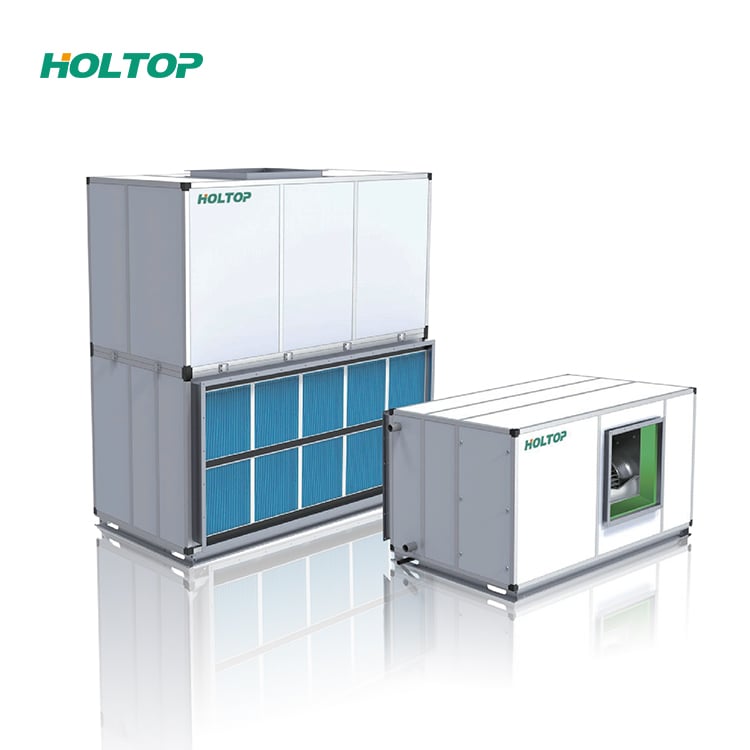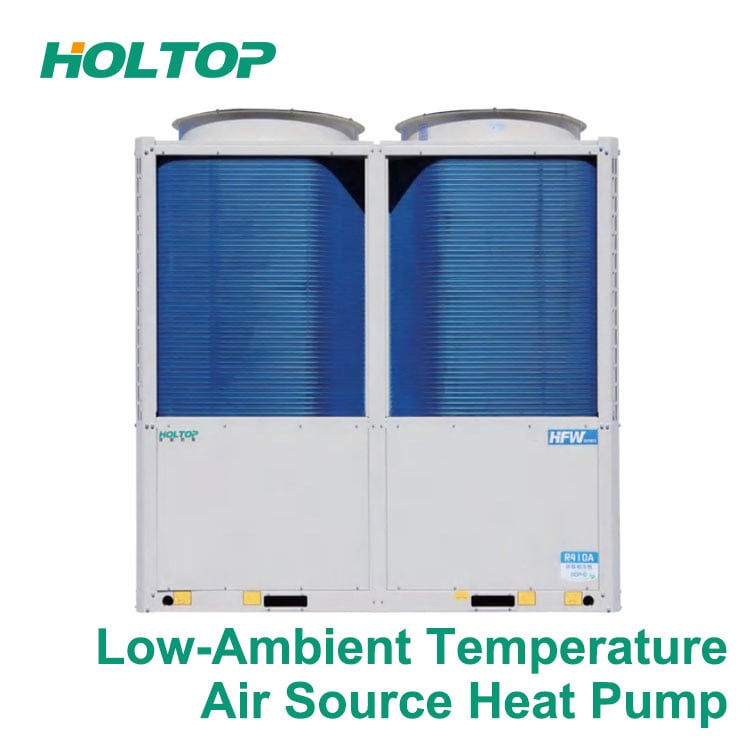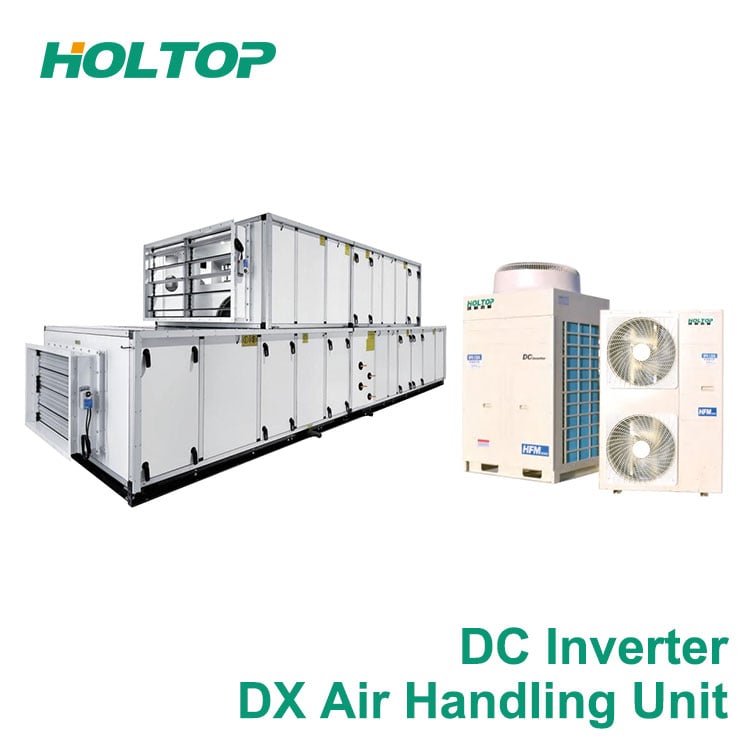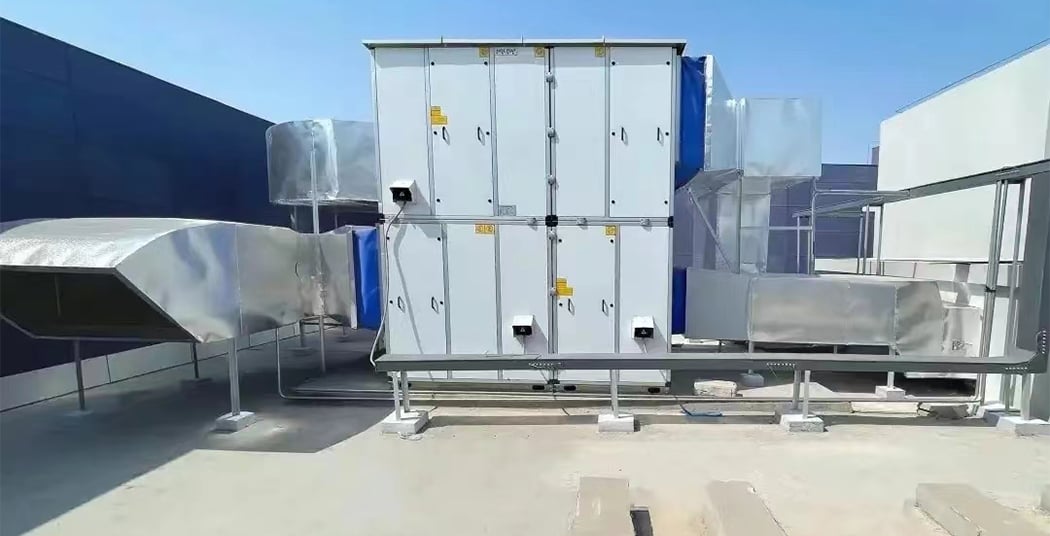
शाङ्हाई लिङ्गाङ्ग टियानचेन वाणिज्यिक परिसर हालैमा आफ्नो जिल्लामा कडा अति-न्यून ऊर्जा भवन मूल्याङ्कनहरू पार गर्ने पहिलो परियोजना बन्यो। यो उपलब्धि प्राप्त गर्नका लागि आन्तरिक सुविधा र कडा विद्युत् सीमा दुवैलाई सन्तुलित गर्न सक्षम अत्यधिक कार्यक्षम HVAC अवसंरचनाको आवश्यकता पर्दथ्यो। एक विशिष्ट dx प्रकारको एसी युनिट नेटवर्क र विशेष रूपमा डिजाइन गरिएको कस्टम AHU सँग एकीकृत गरेर, सुविधाले आफ्नो जलवायु नियन्त्रणलाई सफलतापूर्वक अनुकूलित गर्यो। यो लेखले आधुनिक स्थायी वास्तुकलामा प्रत्यक्ष विस्तार वायु परिसंचरण प्रणाली र उन्नत ताप पुनः प्राप्ति प्रविधिको प्रयोगको विश्लेषण गर्दछ।
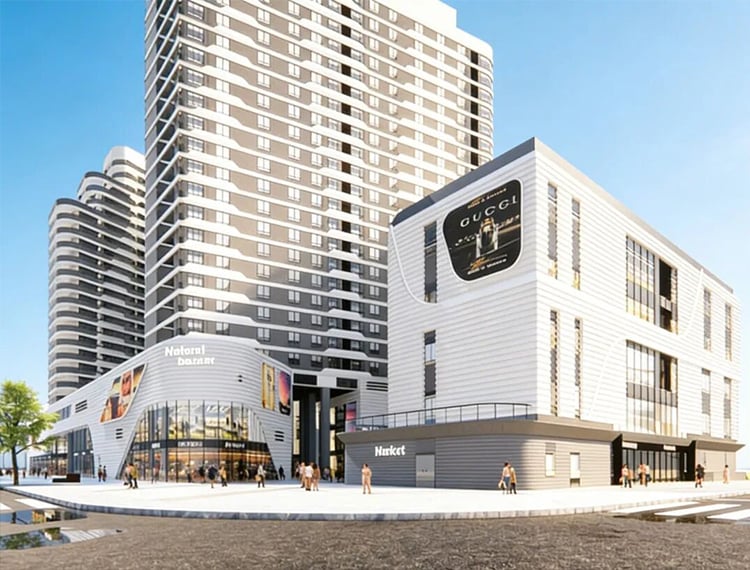
लिङ्गाङ्ग तियानचेन विकासमा किनमेल स्ट्रिट, खेलकुद केन्द्र, डुबेको प्लाजा, थिएटर र होटल समावेश छन् जुन एउटै व्यापक जटिलतामा एकीकृत छन्। स्थायी सार्वजनिक भवनहरूको कार्यात्मक मोडेलको रूपमा सेवा गर्न, यो परियोजनाले विशिष्ट इन्जिनियरिङ् विशेषज्ञताको आवश्यकता पर्दछ। होल्टप, उद्योगमा अनुभवी कस्टम एयर ह्याण्डलर निर्माताहरूमध्ये एकको रूपमा काम गर्दै, आवश्यक उपकरणहरू प्रदान गर्न चयन गरिएको थियो। स्थापित कस्टम एएचयू निर्माताहरूको बीचमा मान्यता प्राप्त यो कम्पनीले ठूला व्यावसायिक स्थानहरूको विशिष्ट स्थानिक र तापीय आवश्यकताहरूलाई समायोजित गर्ने विशिष्ट एयर ह्याण्डलिङ युनिटहरूको डिजाइनमा केन्द्रित छ।
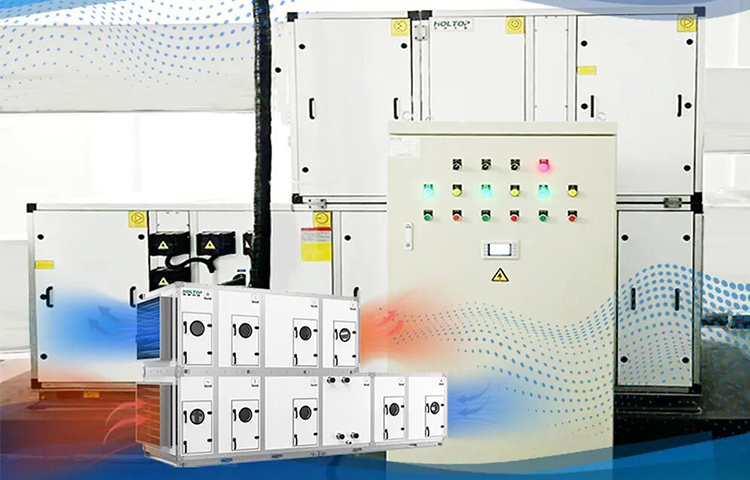
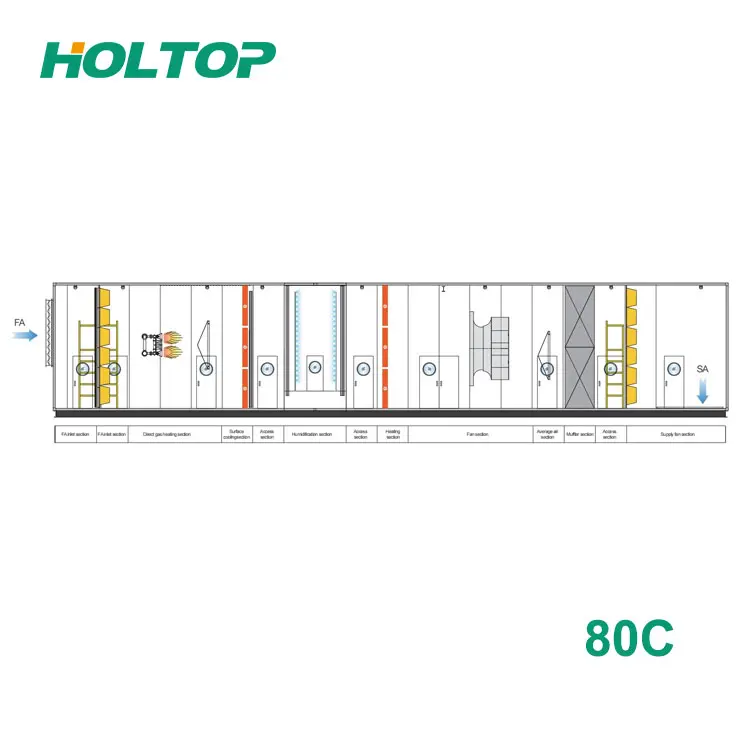
तयार उपकरणहरूमा निर्भर नभएर, सुविधाको लागि यसको वास्तुकला पैरामिटरहरूसँग सटीक रूपमा मिल्ने कास्टम एयर ह्याण्डलरहरूको आवश्यकता थियो। इन्जिनियरहरूले प्रत्येक कार्यात्मक क्षेत्रको लागि एक विशिष्ट कास्टम एयर ह्याण्डलिङ युनिट विन्यास विकास गरे, जसले ऊर्जा खपतलाई आवश्यक सीमाभित्र राख्न सक्यो। अनुभवी कास्टम एयर ह्याण्डलिङ युनिट निर्माताहरूको रूपमा, इन्जिनियरिङ टोलीले बाहिरी डीएक्स (DX) वातानुकूलन युनिट नेटवर्कलाई निर्दिष्ट ताजा हावा वेन्टिलेटरहरूसँग एकीकृत गर्यो। यसको अतिरिक्त, यी कास्टम एयर ह्याण्डलर युनिटहरूको स्थापनाले प्रत्येक एसी डीएक्स युनिटले स्थानीय भवन कोडहरूद्वारा आवश्यक गरिएको कम कार्बन सीमा पूरा गर्न सक्यो, जबकि आधुनिक डीएक्स प्रकारको वातानुकूलन ढाँचाले अन्तिम निरीक्षण प्रक्रियालाई सजिलो बनायो।
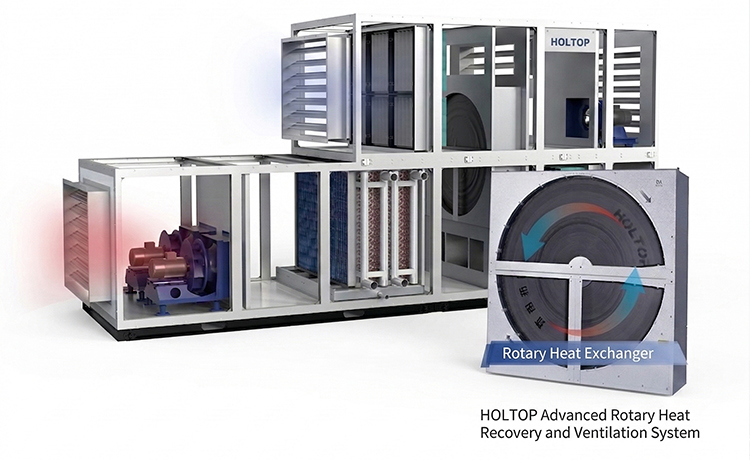
आन्तरिक वातावरणको गुणस्तर सुधार गर्दा प्रायः उच्च विद्युत् खपत हुन्छ, जुन अति-न्यून ऊर्जा निर्माणका लागि एउटा महत्वपूर्ण चुनौती प्रस्तुत गर्दछ। यो समस्या घूर्णन चक्र ताप विनिमयकर्ता (रोटरी व्हील हिट एक्सचेन्जर) स्थापना गरेर समाधान गरियो, जुन बाहिर जाँदै गरेको निकास वायु र भित्र आउँदै गरेको ताजा वायु बीच तापीय ऊर्जा कुशलतापूर्ण रूपमा स्थानान्तरण गर्न डिजाइन गरिएको घटक हो। यसरी, भवनले आरामको कुनै समझौता नगरी नै सानो आकारको प्रत्यक्ष विस्तार (डाइरेक्ट एक्सपान्सन) एसी प्रणाली प्रयोग गर्न सक्यो। कुनै पनि डीएक्स (DX) एकाइ HVAC मा भित्र आउने वायु पूर्व-समायोजित (प्री-कण्डिसन्ड) भएमा धेरै राम्रो प्रदर्शन गर्दछ, जुन रणनीतिले डीएक्स एकाइहरूको अनुकूलतम शीतलन प्रदर्शन सुनिश्चित गर्दछ र मूल्यवान यान्त्रिक कोठाको स्थान पनि संरक्षित राख्दछ।
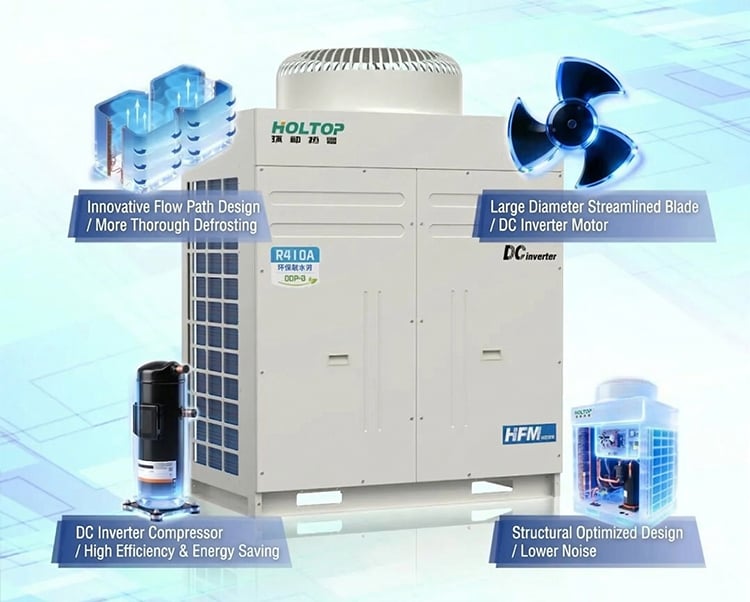
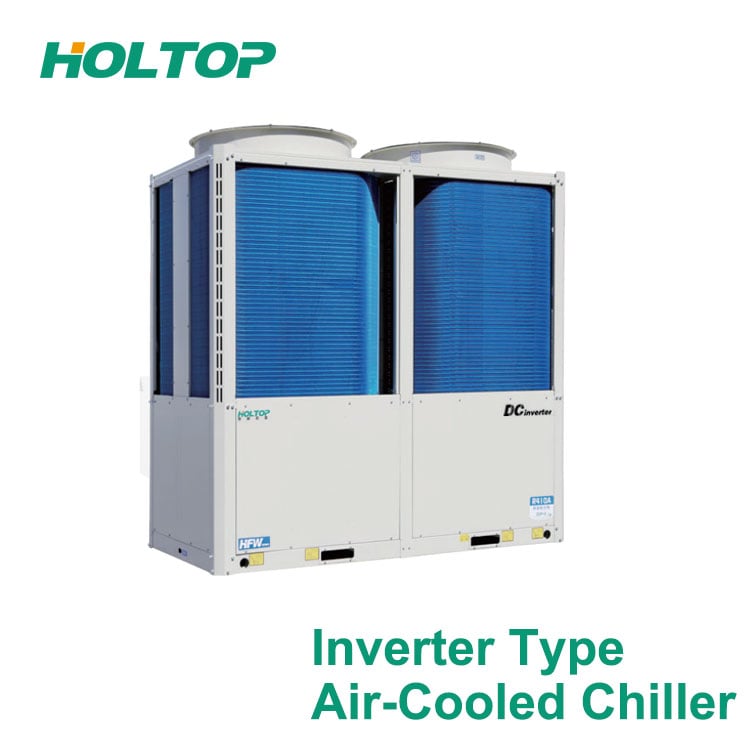
प्राथमिक शीतलन अवसंरचना पूर्ण डीसी इन्भर्टर प्रविधि प्रयोग गर्दछ, जहाँ प्रत्येक सिधै विस्तार (डीएक्स) वातानुकूलन एकाइमा इन्भर्टर-चालित कम्प्रेसर हुन्छ। यो व्यवस्था डीएक्स स्प्लिट एसी प्रणालीलाई आन्तरिक तापीय भारमा उतारचढ़ावको त्वरित प्रतिक्रिया दिन अनुमति दिन्छ, जसले बिजुलीको अपव्यय रोक्न निरन्तर क्षमता समायोजन गर्न सक्छ। लागू गरिएका डीएक्स स्प्लिट वातानुकूलन एकाइहरूले स्थिर तापमान प्रदान गर्छन्, जबकि समग्र डीएक्स स्प्लिट प्रकारको वातानुकूलन डिजाइनले असाधारण क्षमता दरजा प्राप्त गरेको छ। यसरी, प्रत्येक डीएक्स प्रकारको वातानुकूलन एकाइले आधारभूत ऊर्जा आवश्यकताहरू भन्दा बढी प्रदर्शन गर्यो, जसले प्रमाणित गर्छ कि उचित रूपमा कन्फिगर गरिएको डीएक्स एकाइ एसी एउटा टिकाउ र स्थायी शीतलन प्रक्रियाको विश्वसनीय केन्द्रको रूपमा काम गर्न सक्छ।
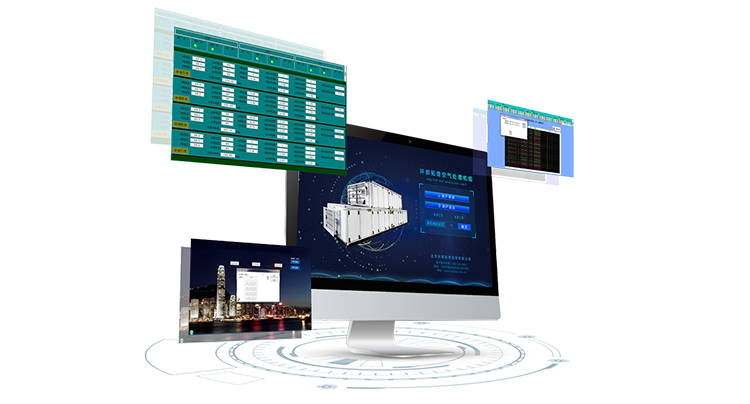
उच्च-घनत्व भएका सार्वजनिक भवनहरूमा निरन्तर ताजा हावाको परिसंचरणको आवश्यकता हुन्छ, जुन हावा टर्मिनलहरूमा निर्मित दुई-चरणीय फिल्ट्रेशन प्रणालीद्वारा व्यवस्थापन गरिन्छ। एउटा स्वचालित नियन्त्रण प्रणालीले सम्पूर्ण नेटवर्कको निगरानी गर्दछ र वास्तविक समयमा पैदल यात्रुहरूको प्रवाह र बाह्य मौसम अवस्थाका आधारमा प्रणालीको सञ्चालन मोडहरू समायोजित गर्दछ। यदि भित्री प्रदूषण स्तर बढ्छ भने, प्रणाली स्वतः एउटा बाध्यतामूलक वेन्टिलेशन प्रोटोकल सक्रिय गर्दछ जसले स्वस्थ वातावरण कायम राख्न मद्दत गर्दछ। यी एकीकृत प्रणालीहरूको कार्यान्वयन गरेर, लिङ्गाङ्ग टियानचेन परियोजनाले कसरी विचारपूर्ण इन्जिनियरिङ र सटीक उपकरण छनौटले हरित भवन क्षेत्रको विकासलाई अगाडि बढाउन सक्छ भन्ने कुरा प्रदर्शन गर्दछ।
घूर्णन चक्र ताप विनिमयकर्ताको कार्य के हो? यो एउटा घूर्णनशील तापीय द्रव्यमानको रूपमा काम गर्दछ जसले भवनको निकास हावा र आउने ताजा हावाबीच संवेदनशील र गुप्त तापको स्थानान्तरण गर्दछ, जसले प्राथमिक शीतलन प्रणालीद्वारा आवश्यक ऊर्जालाई उल्लेखनीय रूपमा कम गर्दछ।
किन केही वाणिज्यिक भवनहरूमा प्रत्यक्ष विस्तार प्रणालीहरूलाई प्राथमिकता दिइन्छ? प्रत्यक्ष विस्तार प्रणालीले हावा छिटो ठाण्डा गर्न शीतलन माध्यम (रेफ्रिजेरेन्ट) को कुण्डली प्रयोग गर्दछ, जसले जटिल ठाण्डा पानीको चक्रमा निर्भर नभएर तापमान परिवर्तनहरूमा अत्यधिक प्रतिक्रियाशील हुन्छ र स्थापना गर्न सस्तो हुन्छ।
३. कहिले कस्टम एयर ह्यान्डलरहरू प्रयोग गर्न आवश्यक हुन्छ? मानकीकृत उपकरणहरूले धेरैजसो समयमा जटिल वाणिज्यिक संरचनाहरूका विशिष्ट आयाम र हावाको प्रवाह सीमाहरूसँग मिल्दैन; त्यसैले कस्टम एकाइहरू ठीक ठाडो ठाउँमा फिट हुने गरी डिजाइन गरिएका हुन्छन् र अनावश्यक ऊर्जा खपत रोक्ने गरी निर्माण गरिन्छन्।
४. स्प्लिट प्रकारको एयर कन्डिसनिङ प्रणाली कसरी काम गर्दछ? यो प्रणाली बाहिरी कम्प्रेसर मोड्युल र भित्री एयर ह्यान्डलिङ घटकमा विभाजित छ, जुन रेफ्रिजेरेन्ट पाइपिङद्वारा जोडिएको हुन्छ; यो डिजाइनले थर्मल दक्षता अधिकतम बनाउँछ र संचालनको शोर आवासीय भवनबाहिर अलग राख्छ।
 ताजा समाचार
 2026-08-17
2026-07-18
2026-07-04
2026-07-03
2026-06-11
2026-06-09

कॉपीराइट © 2025 बाट बीजिंग होलटॉप एयर कंडीशनिंग कम्पनी, लिमिटेड - गोपनीयता नीति
 EN
EN