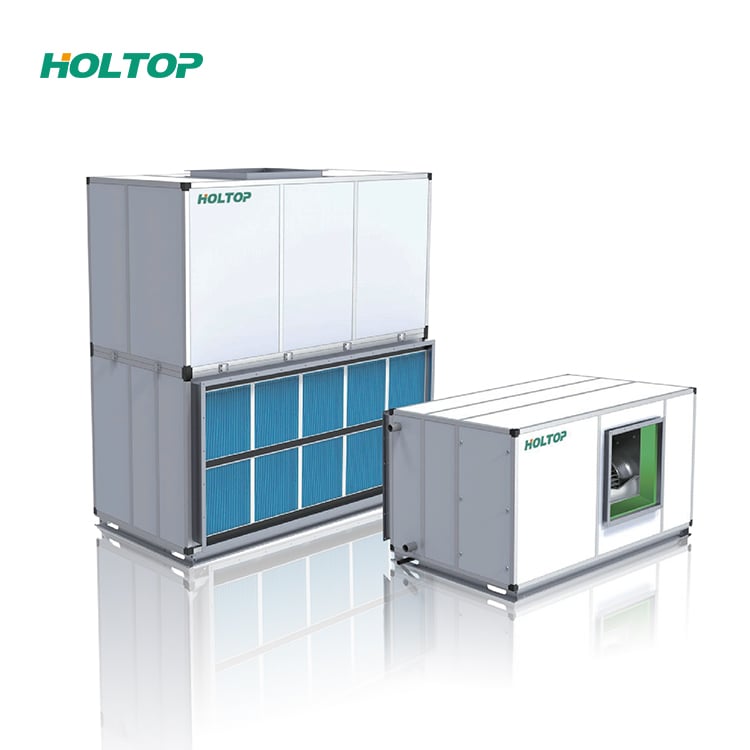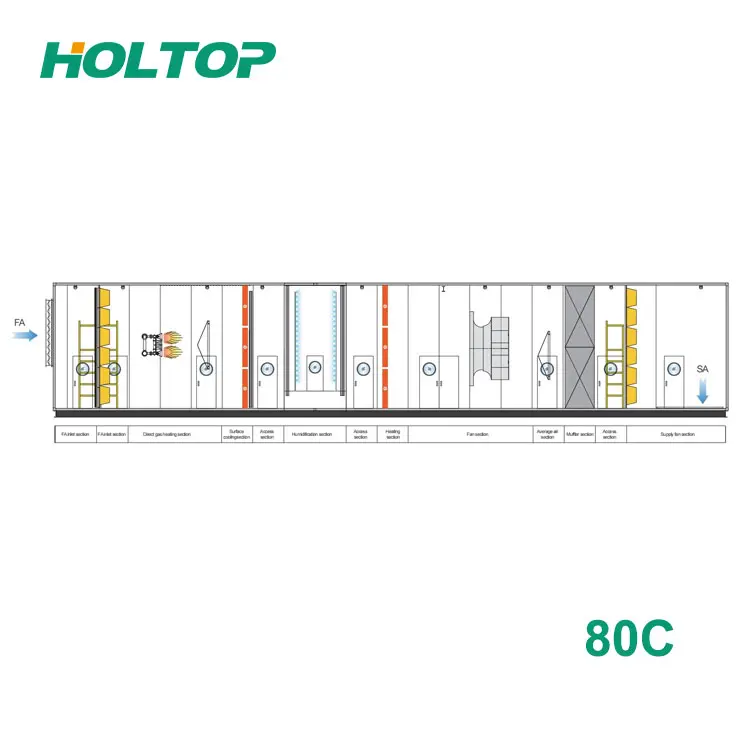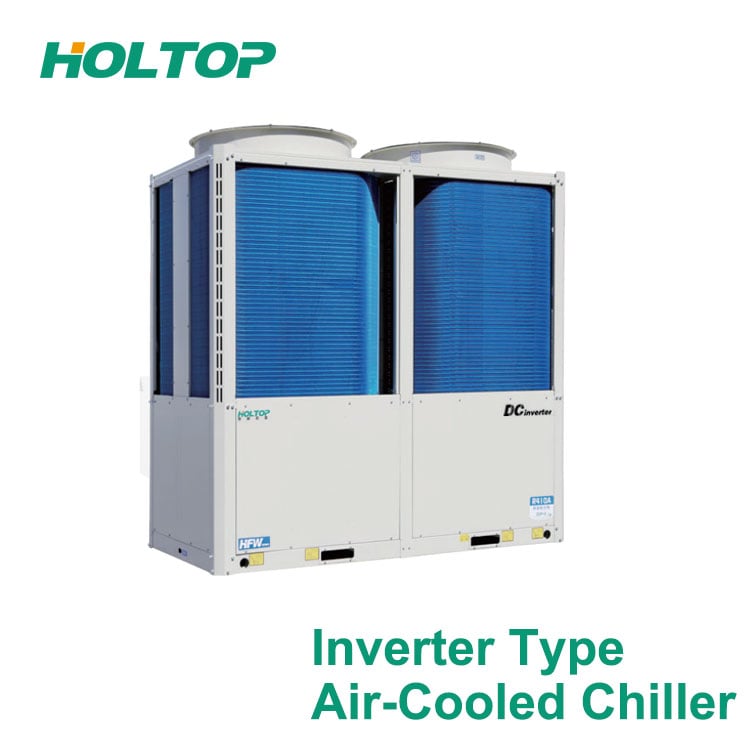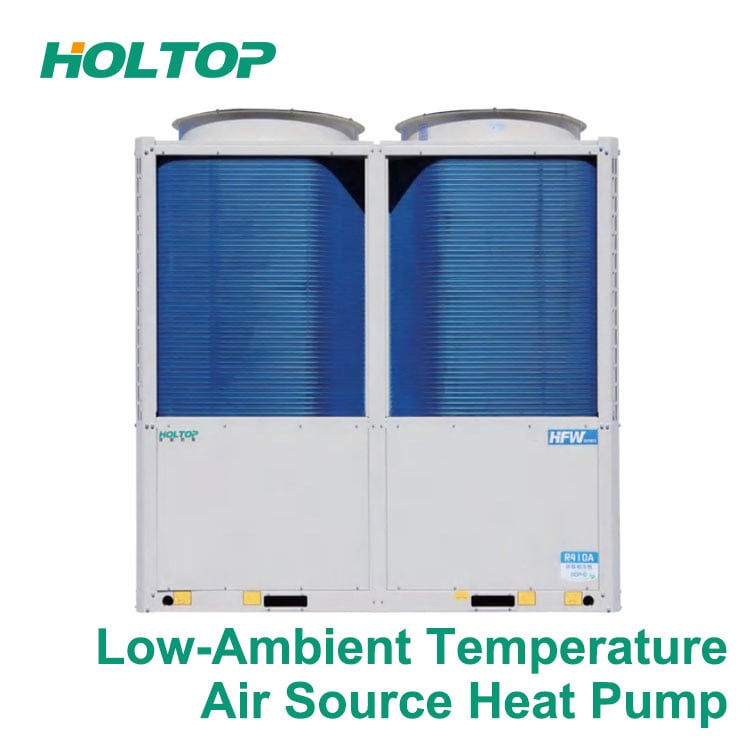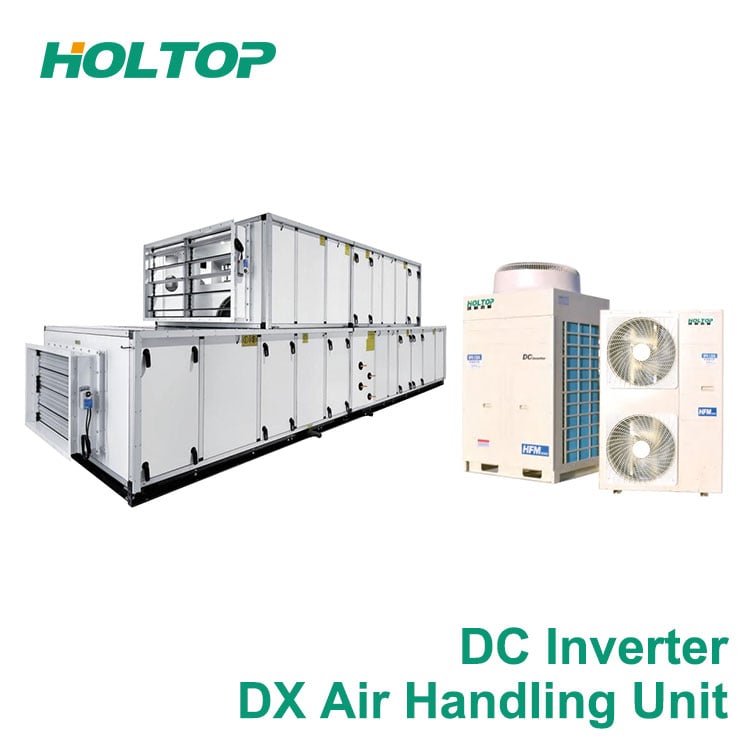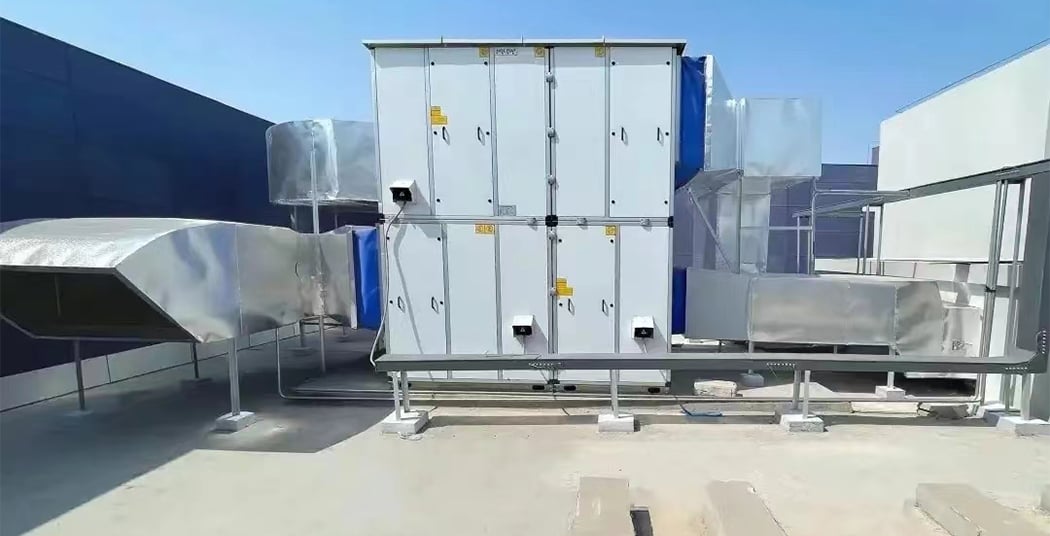
Isikhulu semaphakathi se-Shanghai Lingang Tianchen sasemva kwezinye zizindikiso zokuphatha izindawo zokusebenza ngokupheleleyo, futhi yasendula ukuziphatha kwezindawo zokusebenza ngokupheleleyo. Ukufika kulesi simiso sobukhulu kubedinga ukusebenzisa i-HVAC esihle kakhulu, okudinga ukubalansha ukuzimela kwesibhakabhaka nangokugcina amaqembu okusebenza. Ngokuhlanganisa umkhumbi wamaphakathi we-dx type ac ne-ahu eyadlulwa ngokupheleleyo, isikhulu sisafuna ukubalansha ukuphatha kwezimo zokusebenza. Le ngculazi ibhekisele kuqondiswa kwe-direct expansion air conditioning nokuthenga kwezindlela zokubuyela amandla emhlabathi kwezindawo zokusebenza ezinamandla angapheleleyo.

Ukuthuthukiswa kwaLingang Tianchen kukhulisa indawo yokuthengisa, isikhulu sesporti, indawo yokuqondisa emzini, isithethe, kanye nesihotela njengendawo eyodwa yezinkundla zonke. Ukuze ibe yimodeli yezinkundla zokusebenza ngokuphelele, lokhu kubiza ubunzima bezindlela zokusebenza zokugcina izinkundla ngokuphelele. I-Holtop, ekhuluma njengomthengisi wemithombo yokuqala we-ahus owasebenzayo kule ndawo, yachazwa ukuthi yathandwa ukuthi yathandwa ukuthi yathandwa ukuthi yathandwa ukuthi yathandwa ukuthi yathandwa ukuthi yathandwa ukuthi yathandwa ukuthi yathandwa ukuthi yathandwa ukuthi yathandwa ukuthi yathandwa ukuthi yathandwa ukuthi yathandwa ukuthi yathandwa ukuthi yathandwa ukuthi yathandwa ukuthi yathandwa ukuthi yathandwa ukuthi yathandwa ukuthi yathandwa ukuthi yathandwa ukuthi yathandwa ukuthi yathandwa ukuthi yathandwa ukuthi yathandwa ukuthi yathandwa ukuthi yathandwa ukuthi yathandwa ukuthi yathandwa ukuthi yathandwa ukuthi yathandwa ukuthi yathandwa ukuthi yathandwa ukuthi yathandwa ukuthi yathandwa ukuthi yathandwa ukuthi yathandwa ukuthi yathandwa ukuthi yathandwa ukuthi yathandwa ukuthi yathandwa ukuthi yathandwa ukuthi yathandwa ukuthi yathandwa ukuthi yathandwa ukuthi yathandwa ukuthi yathandwa ukuthi yathandwa ukuthi yathandwa ukuthi yathandwa ukuthi yathandwa ukuthi yathandwa ukuthi yathandwa ukuthi yathandwa ukuthi yathandwa ukuthi yathandwa ukuthi yathandwa ukuthi yathandwa ukuthi yathandwa ukuthi yathandwa ukuthi yathandwa ukuthi yathandwa ukuthi yathandwa ukuthi yathandwa ukuthi yathandwa ukuthi yathandwa ukuthi yathandwa ukuthi yathandwa ukuthi yathandwa ukuthi yathandwa ukuthi yathandwa......
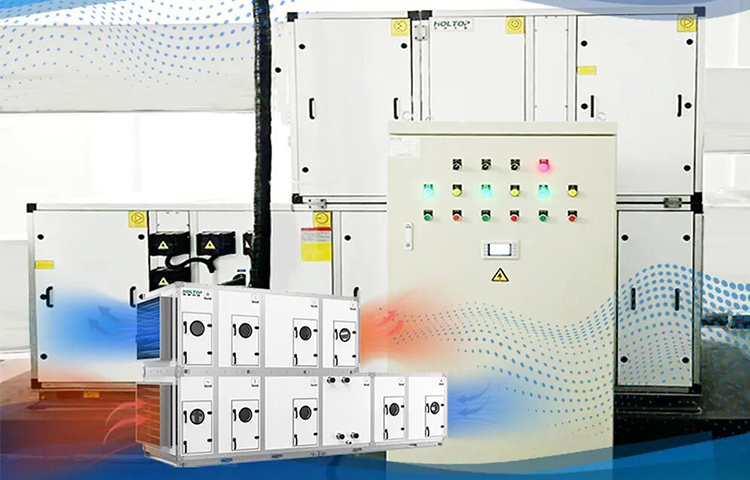
Kunokusho okungafanele ukubhukuda emisebenzini eyisifunda, le ndawo ibedinga amahandla okuhlanza amahhala okuphathelene ngeziqu zokubhala kwakhe. Abalimi badebele isakhiwo esihlukile sokuhlanza amahhala kusonke isikhundla sakusebenza, ukuqinisekisa ukuthi ukusetshenziswa kwamandla kuyaphansi kwemilinganiselo ethile. Ngoba baya abalimi abaqinisekile bakusakhiwa kwezinhlobo zokuhlanza amahhala, ubuqeqeshi buhlukanise umugqa wokuhlanza amahhala wesigodi nesikhundla sesibonelo sokuhlanza amahhala esigodi. Kungenani, ukufaka lezi zinhlobo zokuhlanza amahhala zikuvumela ukuthi yonke imithombo yokuhlanza amahhala iyiphuma kwezimilinganiselo zokuphula amandla ezindawo zokubhala, ngakho-ke isakhiwo samandla sokuhlanza amahhala esigodi sivumela ukuthi ukuphatha kwesigodi kwenzeke ngokushesha.
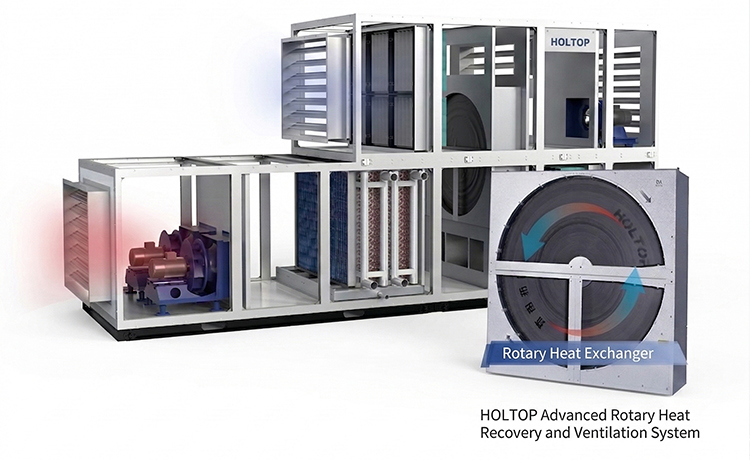
Ukuthuthukisa ubunzima be-ayir endaweni yokuqala kumele kubhekwe ngokuphelele, okuyinto engeza indlela eyinkulu yokusebenzisa amandla. Lokhu kwenziwe ukuthi kusetyenziswa isikhombisa sokuhlanganisa amandla esithembu, okuyisikhombisa esifundwa ukuthi sibhalela amandla esithembu phakathi kwe-ayir esihlwa kanye ne-ayir entsha esingena. Ngakho ke, indawo yakhwela ukusebenzisa isistimu yesikili sokufaka ngqo (dx) esincane ngaphandle kokuthi kubhekwe ubunzima bokuziphatha. Yonke imithombo yomthombo we-dx kuyasebenza kahle kakhulu uma ayir esingena isebenziwe ngaphambi, lokhu kuyindlela ekubonisa ukuthi imithombo yomthombo we-dx iyasebenza kahle kakhulu ngaphandle kokuthi kubhekwe ubunzima bokuziphatha futhi kubhekwe indawo yomkhumbi wemithombo yamandla.

Ukusebenza kwezinkampani zokuchitha amandla kuyasebenzisa i-technology yomkhakha wokuchitha amandla we-DC, apho umkhakha wokuchitha amandla we-air conditioning wokugcina ngqo unesikhathi sokubhala isikhathi sokubhala isikhathi sokubhala isikhathi sokubhala isikhathi sokubhala isikhathi sokubhala isikhathi sokubhala isikhathi sokubhala isikhathi sokubhala isikhathi sokubhala isikhathi sokubhala isikhathi sokubhala isikhathi sokubhala isikhathi sokubhala isikhathi sokubhala isikhathi sokubhala isikhathi sokubhala isikhathi sokubhala isikhathi sokubhala isikhathi sokubhala isikhathi sokubhala isikhathi sokubhala isikhathi sokubhala isikhathi sokubhala isikhathi sokubhala isikhathi sokubhala isikhathi sokubhala isikhathi sokubhala isikhathi sokubhala isikhathi sokubhala isikhathi sokubhala isikhathi sokubhala isikhathi sokubhala isikhathi sokubhala isikhathi sokubhala isikhathi sokubhala isikhathi sokubhala isikhathi sokubhala isikhathi sokubhala isikhathi sokubhala isikhathi sokubhala isikhathi sokubhala isikhathi sokubhala isikhathi sokubhala isikhathi sokubhala isikhathi sokubhala isikhathi sokubhala isikhathi sokubhala isikhathi sokubhala isikhathi sokubhala isikhathi sokubhala isikhathi sokubhala isikhathi sokubhala isikhathi sokubhala isikhathi sokubhala isikhathi sokubhala isikhathi sokubhala isikhathi sokubhala isikhathi sokubhala isikhathi sokubhala isikhathi sokubhala isikhathi sokubhala isikhathi sokubhala isikhathi sokubhala isikhathi sokubhala isikhathi sokubhala isikhathi sokubhala isikhathi sokubhala isikhathi sokubhala isikhathi sokubhala isikhathi sokubhala isikhathi sokubhala isikhathi......
Izakhiwo zomphakathi ezinabantu abaningi zidinga ukujikeleza komoya ohlanzekile okuqhubekayo, okulawulwa izinhlelo ezimbili zokuhlunga ezakhelwe ezindaweni zokuphefumula. Uhlelo lokulawula oluzenzakalelayo lubheka wonke amanethiwekhi, luqondise izindlela zokusebenza ngokusekelwe ekuhambeni kwabantu abahamba ngezinyawo ngesikhathi sangempela nasezimweni zezulu zangaphandle. Uma izinga lokungcola endlini lenyuka, isimiso sivele siqale ukusebenza ngendlela yokucindezela umoya ukuze kugcinwe indawo enempilo. Ngokwenza lezi zinhlelo ezihlanganisiwe, iphrojekthi iLingang Tianchen ibonisa indlela ubunjiniyela obucatshangelwe nokukhethwa kwemishini eqondile okungathuthukisa ngayo ukuthuthukiswa komkhakha wezakhiwo eziluhlaza.

1. ukuhlaziywa Uyini umsebenzi wesishintshi sokushisa esinamavili ajikelezayo? Isebenza njengesisindo esishisayo esijikelezayo esithumela ukushisa okubonakalayo nokungabonakali phakathi komoya wokukhipha isakhiwo nomoya omusha ongenayo, okunciphisa kakhulu amandla adingekayo ohlelweni lokuqandisa oluyinhloko.
2. Ukubamba iqhaza Kungani izinhlelo zokunweba ngokuqondile zithandwa kakhulu ezakhiweni ezithile zezentengiselwano? Isisitema sesiphakeme ngokuzwane sisebenzisa ikholi yemithwala yokuchitha ukukhula kwezinye ngokuzwane kungaphandle kokubeka isikhombiso sokuchitha amanzi esikhumbuzo, futhi kuyenza ukuthi kubhekise kahle kubizwa kwezilinganiso zokuchitha nokuthengiselwa ngokuphelele.
3. Kuphi kufanele sisebenzise amahandla okukhula okwenziwe ngokuhlukeni? Amathuluzi atholakala kakhulu ayikwazi ukufanana nezilinganiso zokuhlukeni nezidingo zokugcina umoya zezindawo zokusebenza ezinkulu; ngakho-ke, amathuluzi atholakala kahlukeni ayenzelwe ukufana nendawo eyodwa futhi ukuvimba ukuthengiselwa kwamandla okunye.
4. Isisitema sesikhombiso sokukhula sokwahlukaniswa sisebenza njani? Isisitema sihlukaniswa ku-modyuli yekhomphresha yasemphakathini nekhomponenti yokukhula kwezinye yasendaweni, okuxhulunyaniswa ngamapipi amathwala yokuchitha, isimo esinconywa ukuthi siboneke isikhombiso sokuchitha kwezinye futhi sivimbe izwi lokusebenza emphakathini.

 Izindaba Ezishisayo
 2026-08-17
2026-07-18
2026-07-04
2026-07-03
2026-06-11
2026-06-09

Ikhopho esikhundleni © 2025 nge Beijing Holtop Air Conditioning Co., Ltd - Inqubomgomo Yokuvikela
 EN
EN