 EN
EN

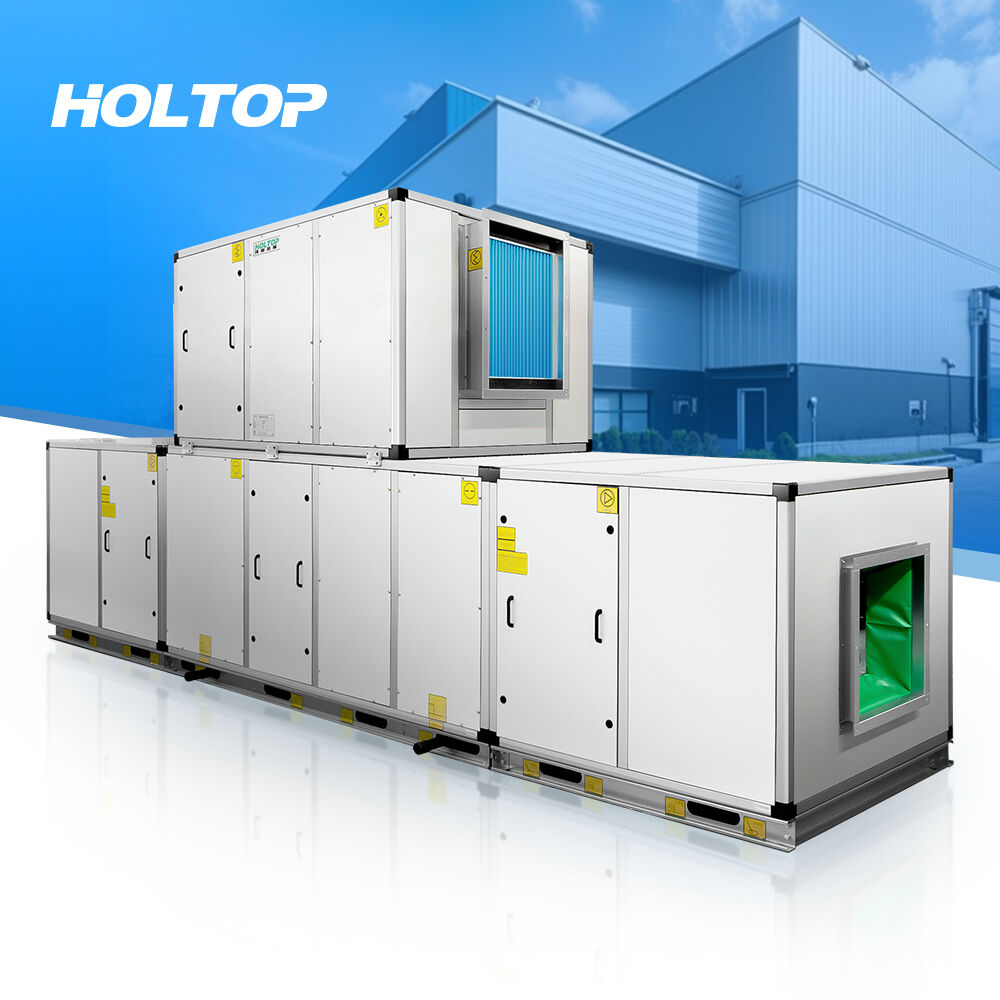
What Is Negative Air Pressure in HVAC Systems?
Defining Negative Air Pressure and Its Physical Mechanism
Negative air pressure happens when the air inside a specific area of a building becomes lower than what surrounds it, which causes air to flow into that space from elsewhere. Basically, this happens because the HVAC system pulls out more air than it brings back in. When air gets sucked out through exhaust fans or other outlets, it creates something like a mini vacuum effect. This vacuum pulls fresh air in through designated entry points or even through cracks and open doors, kind of like sucking on a straw. Good system design keeps this pressure difference steady around 2.5 to 7.5 pascals so the air moves where it should without causing problems for the building structure or making people uncomfortable. Facilities need this controlled imbalance especially in places where controlling germs matters most, such as hospital isolation units and research labs.
How HVAC Equipment Creates and Controls Negative Pressure
HVAC systems achieve reliable negative pressure through coordinated operation of exhaust fans, dampers, sensors, and automation. Key components include:
- High-capacity exhaust fans sized to exceed supply airflow by 10–15%
- Motorized dampers that modulate intake and exhaust volumes in real time
- Differential pressure sensors providing continuous feedback on room-to-room gradients
- Building automation systems (BAS) that dynamically adjust fan speeds and damper positions based on sensor input
Engineers use ASHRAE-calibrated airflow calculations—not rule-of-thumb estimates—to size and sequence these components. Verification relies on calibrated manometers or continuous IoT-based pressure monitoring. Fail-safes, such as visual and audible alarms triggered when pressure falls below 1 Pa, provide immediate notification of containment compromise, enabling rapid intervention before risk escalates.
Critical Applications of Negative Air Pressure HVAC
Infection Control in Healthcare Facilities
Negative pressure HVAC systems play a vital role in controlling airborne infections across medical settings like hospitals, clinics, and nursing homes. These setups work by creating inward airflow that stops dirty air from getting out of isolation rooms, particularly important ones meant for patients with TB, measles, or similar contagious conditions. Before releasing outside, the exhaust goes through HEPA filters which trap most particles, so harmful stuff doesn't just escape into the environment. Industry guidelines generally call for between 6 to 12 complete air changes every hour in these areas to keep bad stuff diluted and removed quickly enough. Combine this tech with buffer zones called anterooms and good personal protective equipment practices, and healthcare workers face much lower chances of spreading infections during procedures where contamination risk is highest.
Containment in Laboratories and Cleanrooms
Getting the pressure zones right matters a lot in places like research labs, pharma plants, and semiconductor manufacturing where dangerous stuff needs to stay contained. The whole system works on negative pressure HVAC setups that create these layered pressure differences. Basically, labs with lower pressure get wrapped around by areas with higher pressure buffers, forming what's called an airlock effect. Without this setup, all sorts of bad things could escape unwanted chemicals, tiny particles, even biological hazards might slip through doors, those little holes where pipes go through walls, or up into the ceiling spaces where they shouldn't be going at all.
| Application | Pressure Requirement | Primary Containment Goal |
|---|---|---|
| BSL-3/4 Labs | -0.01" to -0.03" w.g. | Biohazard isolation |
| Pharmaceutical Compounding | -0.01" w.g. minimum | Toxic powder containment |
| Semiconductor Fabs | -0.02" w.g. average | Chemical fume control |
These specifications align with ANSI/ASHRAE/IES Standard 170 and ISO 14644 guidelines, ensuring consistency across design, commissioning, and operational validation.
Remediation Support for Mold, Asbestos, and Biohazards
In situations where we need to deal with dangerous materials like mold cleanup, getting rid of asbestos, or cleaning up biological contaminants, temporary negative pressure setups are really important safety measures. Most contractors use mobile exhaust systems equipped with HEPA filters to keep the pressure inside these containment areas lower than what's outside. The difference needs to stay around minus 5 Pascals or better compared to surrounding spaces that aren't contaminated. According to OSHA regulations found in CFR 1910.120, workers must check pressure levels constantly throughout the job using digital monitors. Before anyone enters the work area and after finishing each day's tasks, there should be written proof that everything checks out. If done right from start to finish, this method traps those tiny particles right where they form instead of letting them spread around. This protects both the people working on site and anyone living nearby while also making life easier when it comes time for final inspections and paperwork.
Design, Installation, and Verification Best Practices
Balancing Exhaust and Supply Airflows for Stable Negative Pressure
Stable negative pressure hinges on precise, repeatable airflow balancing—not just initial setup, but ongoing calibration. Industry best practice calls for exhaust volume to exceed supply by 10–15%, verified using traceable instruments: calibrated anemometers, flow hoods, or thermal dispersion meters. Critical considerations include:
- Adjusting variable-frequency drives (VFDs) on exhaust fans to match real-world load conditions
- Accounting for dynamic variables like door operation frequency, stack effect, and seasonal infiltration
- Validating airflow paths with computational fluid dynamics (CFD) modeling in complex or high-risk spaces
According to ASHRAE Journal (2023), improper balancing increases contamination risk by up to 70% in healthcare settings—underscoring why commissioning must extend beyond startup into functional performance testing.
Monitoring Tools: Manometers, Smoke Tests, and Continuous Sensors
Reliable containment depends on both measurement accuracy and verification methodology. Digital manometers deliver instantaneous, field-ready readings, while qualitative smoke tests visually confirm airflow direction at barriers—particularly useful during commissioning and troubleshooting. For mission-critical applications like airborne infection isolation rooms:
- Install continuous pressure sensors with ±0.01-inch water column (w.c.) accuracy
- Integrate alarm outputs directly into the building automation system (BAS)
- Perform quarterly sensor calibration against NIST-traceable references
NIOSH (2022) found that continuous monitoring reduces containment failures by 92% compared to manual, periodic checks alone. ASHRAE Standard 170 outlines comprehensive pressure monitoring protocols for high-risk facilities—serving as the authoritative benchmark for design, installation, and operational compliance.
Common Pitfalls and Compliance Considerations
Implementing negative air pressure HVAC demands rigorous attention to detail—both during design and over the system’s lifecycle. Common pitfalls include:
- Unbalanced exhaust-to-supply ratios, leading to pressure drift or unintended positive shifts during door operation
- Neglected sensor calibration, resulting in false confidence and undetected containment loss
- Unsealed penetrations—conduits, pipes, duct boots, and ceiling grid gaps—that bypass engineered airflow paths
- Insufficient redundancy, leaving critical zones unprotected during fan maintenance or power interruption
When it comes to regulatory requirements, there are really two main standards everyone needs to know about: ASHRAE 170 for proper ventilation in medical settings and OSHA's 1910.134 which deals with respiratory protection against airborne hazards. Hospitals and research facilities need to keep track of several things regularly including checking those differential pressure sensors, verifying airflow levels, and doing annual smoke tests in critical areas like isolation rooms, biosafety labs, and during asbestos removal projects. The Joint Commission inspectors will look at all this documentation when they come around. What matters most isn't just how long equipment stays running but whether systems maintain their integrity over time according to the regulations. Facilities that fix problems after they happen aren't truly compliant anyway.
Frequently Asked Questions (FAQ)
What is negative air pressure in HVAC systems?
Negative air pressure occurs when the air pressure inside a building space is lower than the surrounding areas, causing air to flow inward.
What are the applications of negative air pressure HVAC systems?
Negative air pressure systems are crucial for infection control in healthcare, containment in laboratories and cleanrooms, and remediation support for mold, asbestos, and biohazards.
How do HVAC systems maintain negative air pressure?
They use exhaust fans, motorized dampers, and pressure sensors to create a pressure imbalance, monitored by building automation systems.
Why is it important to balance exhaust and supply airflows?
Balancing ensures stable negative pressure, vital for preventing contamination spread and ensuring system efficiency.
What are common pitfalls in implementing negative air pressure HVAC systems?
Common issues include unbalanced airflow ratios, neglected sensor calibration, unsealed penetrations, and insufficient system redundancy.
Table of Contents
- What Is Negative Air Pressure in HVAC Systems?
- Critical Applications of Negative Air Pressure HVAC
- Design, Installation, and Verification Best Practices
- Common Pitfalls and Compliance Considerations
-
Frequently Asked Questions (FAQ)
- What is negative air pressure in HVAC systems?
- What are the applications of negative air pressure HVAC systems?
- How do HVAC systems maintain negative air pressure?
- Why is it important to balance exhaust and supply airflows?
- What are common pitfalls in implementing negative air pressure HVAC systems?