 EN
EN

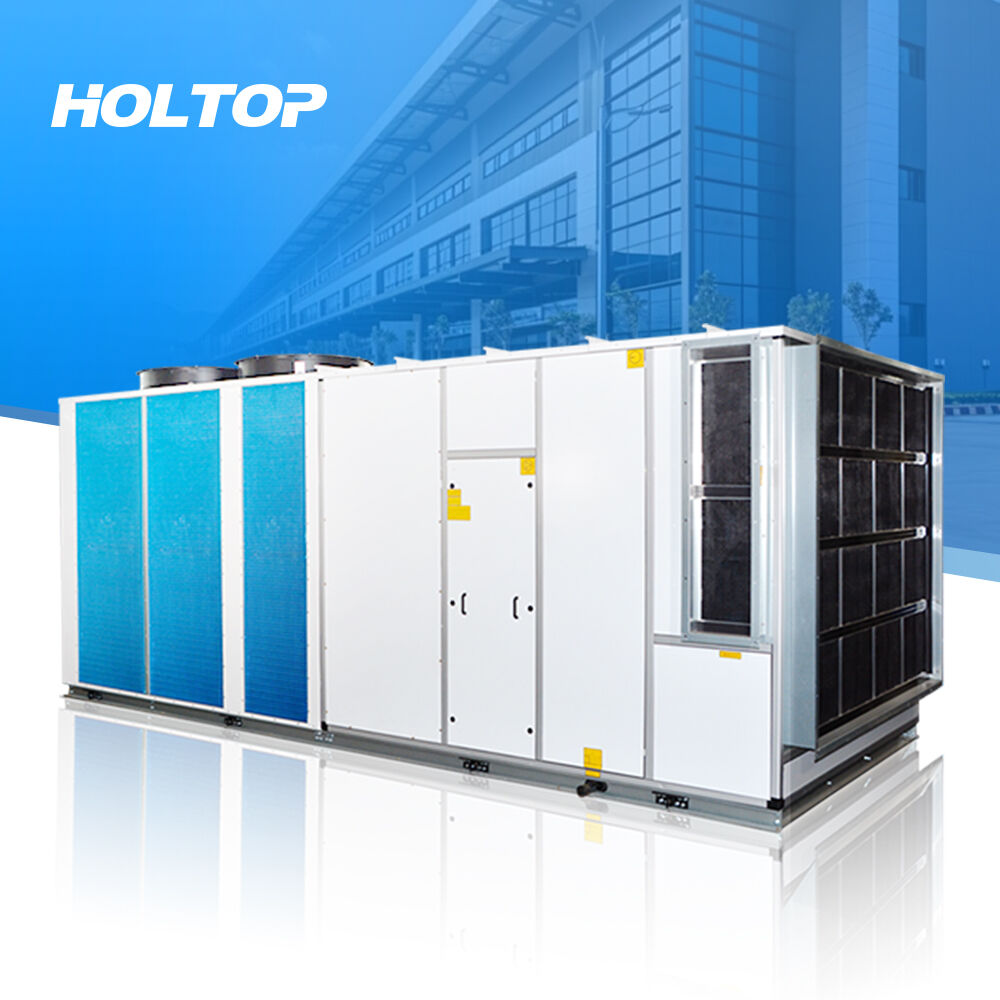
Understanding Indoor Air Pollution and the Role of Ventilation Systems
Common Sources of Indoor Air Pollution and Their Health Impacts
Buildings today are full of hidden nasties. We're talking about stuff like VOCs from all those fancy paints and cleaners people use, mold spores growing where there's too much moisture around, and tiny particles coming in from cooking fumes or drifting in from outside air. Spending too much time in these environments can really mess with our health. People living in homes without good airflow are seeing asthma cases jump by about a third compared to better ventilated spaces. And it's not just physical health at stake either. Research shows when carbon dioxide levels get over 1,000 parts per million inside buildings, our brains start working worse too. Decision making slows down by roughly 11 percent according to findings published by PHS Compliance back in 2023.
How Ventilation Systems Prevent Pollutant Buildup in Energy-Efficient, Tightly Sealed Homes
Sealed buildings save energy but end up trapping all sorts of indoor pollutants, which build up inside at rates 2 to 5 times faster compared to older homes. That's where mechanical ventilation comes into play, constantly swapping out the stuffy air inside for fresh air from outside after filtering it first. According to findings published in the latest Material Safety Report from 2024, when these ventilation systems include heat recovery features they cut down on PM2.5 particles inside by around two thirds, all while keeping the building warm or cool as needed. No need to compromise comfort for cleaner air anymore.
Natural vs. Mechanical Ventilation: Effectiveness in Modern Indoor Environments
Opening windows for fresh air just doesn't cut it in cities where smog and traffic noise make outside air undesirable. That's why many buildings now turn to mechanical ventilation systems recommended by ASHRAE standards. These systems keep air circulating at a steady rate around 0.35 air changes per hour no matter what's happening outside. Recent research from Anderson Air found something interesting too mechanical ventilation cuts down nitric oxide levels inside buildings by roughly 40 percent when compared with relying solely on open windows. This makes a real difference especially in tall apartment buildings where natural airflow is limited anyway.
Case Study: Improving IAQ in High-Performance Residential Buildings
The 2023 retrofit of Denver’s Riverfront Tower—a LEED-certified residential complex—demonstrates effective ventilation integration in airtight structures. By upgrading to demand-controlled ERV systems linked to VOC sensors, the building achieved a 57% reduction in formaldehyde levels while cutting HVAC energy use by 22% (Lawrence Berkeley National Lab 2024).
Mechanical Ventilation Systems: Design and Integration for Clean Air
Types of mechanical ventilation systems and their operational principles
Modern mechanical ventilation systems use engineered airflow to combat indoor pollution. Four primary types dominate residential and commercial applications:
- Heat Recovery Ventilation (HRV) – Transfers heat between incoming and outgoing air streams while filtering particulates
- Energy Recovery Ventilation (ERV) – Adds humidity transfer to heat exchange, ideal for humid climates
- Demand-Controlled Ventilation (DCV) – Adjusts airflow based on CO₂/VOC sensor data
- Central Exhaust Systems – Remove contaminants at source points like kitchens and bathrooms
According to the 2023 Mechanical Ventilation Report, HRV systems recover 70–95% of thermal energy while ensuring continuous air exchange. DCV models have demonstrated 40% energy savings in office buildings compared to fixed-rate systems (ASHRAE Journal 2022).
Integrating HVAC with ventilation systems to maintain consistent indoor air quality
Smart ventilation enhances HVAC performance through:
- Airflow sensors detecting occupancy changes
- Automated dampers adjusting fresh air ratios
- Multi-stage filtration removing 99.97% of particles ≈0.3¼m
A 2024 study found buildings combining MERV-13 filters with ERV systems reduced PM2.5 concentrations by 83% compared to standalone HVAC. Proper integration requires calculating:
Total Ventilation Load = (Occupant Demand – ACH) + (Building Pressure Differential – 0.05) ASHRAE standards and recommended air exchange rates for healthy buildings
Current guidelines specify minimum air exchange rates for pollutant control:
| Space Type | Minimum ACH | Key Contaminant Targeted |
|---|---|---|
| Hospitals (Patient Rooms) | 6 | Airborne pathogens |
| Offices | 4 | CO₂, VOCs |
| Schools | 5 | PM2.5, formaldehyde |
ASHRAE Standard 62.2-2023 sets 0.35 air changes per hour (ACH) as the baseline for acceptable residential IAQ. However, EPA research indicates that 0.5 ACH reduces VOC concentrations by 37% compared to the minimum standard.
The risk of over-relying on HVAC without adequate filtration
Most HVAC systems recycle around 80 to 90 percent of the air inside buildings, which can actually make pollution worse when there's no good filtration system in place. Buildings that don't have proper ventilation filters see about 58% more people complaining about breathing issues, and companies lose roughly seven hundred forty thousand dollars each year because of this problem according to research from Ponemon Institute back in 2023. The solution? Mechanical ventilation units equipped with either HEPA filters or at least MERV-13 rated ones completely change things. These systems clean all the fresh air coming in from outside first before adjusting temperatures, so we're not just moving dirty air around anymore.
Air Exchange Rates: Optimizing Ventilation for Pollutant Dilution
The Science of Air Exchange and Its Role in Reducing Indoor Pollutants
The rate at which outside air replaces indoor air really matters when it comes to cutting down on stuff like VOCs and particulates floating around inside. For buildings that are pretty sealed tight, keeping air changes between about 0.35 and 1.5 per hour seems to keep most pollutants from reaching dangerous levels for our health. Research indicates something interesting too - if we double those air changes, formaldehyde levels drop by roughly 40%, according to this ASHRAE report from 2022. Of course there's always that tricky balance between good air quality and not wasting too much energy on ventilation.
Recommended Air Changes Per Hour (ACH) for Residential, Commercial, and Healthcare Spaces
| Space Type | Minimum ACH | Key Pollutants Addressed |
|---|---|---|
| Residential | 0.35–0.75 | CO₂, cooking emissions |
| Offices | 1.0–1.5 | VOCs, airborne pathogens |
| Hospitals | 2.0–6.0 | Surgical smoke, bacteria |
Higher ACH rates in healthcare settings align with CDC airborne infection control guidelines, while residential targets emphasize energy conservation.
Smart Ventilation: Using Sensors to Adjust Airflow Based on Real-Time Occupancy and Air Quality
Modern systems integrate CO₂ sensors and IoT technology to dynamically adjust airflow. For example, a Wisconsin office reduced HVAC runtime by 18% using occupancy-based controls while keeping PM2.5 levels under 12 ¼g/m³. Research confirms AI-driven ventilation meets EPA air quality standards with 23% less energy than fixed-rate systems.
Balancing Energy Efficiency and Effective Ventilation in Modern Buildings
Striking the balance between tight building envelopes and healthy air exchange
These days, buildings are getting tighter and tighter to save money on heating and cooling expenses. The Department of Energy says somewhere around 15 to 30 percent savings is typical when done right. But there's a catch. When spaces are so sealed off from outside air, they start collecting all sorts of bad stuff inside like volatile organic compounds and carbon dioxide if we don't bring fresh air in somehow. For Passive House certified homes specifically, they need to exchange indoor air about 70 percent more often compared to regular houses just to keep particle counts below those dangerous 12 micrograms per cubic meter thresholds. What works best? Mixing mechanical ventilation systems with some carefully placed passive vents in areas where people aren't hanging out as much. This hybrid method actually saves about 40 percent in energy costs compared to running ventilation constantly throughout the whole building.
Demand-controlled ventilation: Reducing energy waste while maintaining air quality
Smart sensors let ventilation systems adjust airflow based on how many people are actually in a space and what the CO2 levels are doing at any given moment. According to a recent study from 2023 that looked at about 120 different commercial buildings around the country, when they installed these demand controlled systems, they saw their fan energy consumption drop by almost half, right around 52 percent. And even better, those same buildings managed to keep PM2.5 particles well under the World Health Organization's recommended limits. When advanced heat recovery ventilators get added into the mix with smart sensors, they can replace nearly all the stale indoor air with fresh outside air without making rooms too hot or cold. This combination works especially well in places like schools where class schedules mean occupancy changes constantly throughout the day.
AI and IoT in HVAC: The future of intelligent ventilation monitoring and optimization
Machine learning algorithms now forecast ventilation needs 24 hours ahead using weather forecasts and historical occupancy patterns. In a pilot project across 15 retrofitted apartment complexes, IoT-enabled systems automatically:
- Reduced nighttime airflow by 60% in unoccupied common areas
- Prevented 83% of peak-hour humidity spikes in gyms
- Cut annual ventilation-related energy costs by $28 per resident
Retrofitting older buildings with advanced ventilation systems: A practical strategy
While new constructions integrate ventilation into energy models, 68% of U.S. buildings predate modern air quality standards. Cost-effective retrofit solutions like ceiling cassette ERVs demonstrate significant improvements:
| Metric | Pre-Retrofit | Post-Retrofit |
|---|---|---|
| Air changes per hour | 0.35 | 1.2 |
| Energy loss | 41% | 18% |
| PM2.5 concentration | 22 µg/m³ | 9 µg/m³ |
These systems preserve architectural integrity while achieving 80% of modern ventilation performance at half the cost of full HVAC replacements.
FAQ
-
What are common sources of indoor air pollution?
Common sources include volatile organic compounds (VOCs) from paints and cleaners, mold spores from moisture, and particles from cooking fumes or outdoor air infiltration. -
How do ventilation systems help reduce indoor air pollution?
Ventilation systems replace indoor air with filtered outdoor air, preventing the buildup of pollutants. Mechanical systems can significantly reduce particle concentrations while maintaining energy efficiency. -
Is natural ventilation effective for indoor air quality improvement?
Natural ventilation can be less effective in urban areas due to pollution and noise. Mechanical systems ensure consistent air changes, improving air quality more reliably. -
How can ventilation systems be integrated with HVAC for better air quality?
Smart integration with HVAC systems can enhance air quality through sensor-driven adjustments and advanced filtration, significantly reducing pollutant levels. -
What is the recommended air change rate for residential buildings?
ASHRAE recommends a minimum of 0.35 air changes per hour (ACH) for residential spaces, with higher rates providing more effective pollutant reduction.
Table of Contents
-
Understanding Indoor Air Pollution and the Role of Ventilation Systems
- Common Sources of Indoor Air Pollution and Their Health Impacts
- How Ventilation Systems Prevent Pollutant Buildup in Energy-Efficient, Tightly Sealed Homes
- Natural vs. Mechanical Ventilation: Effectiveness in Modern Indoor Environments
- Case Study: Improving IAQ in High-Performance Residential Buildings
- Mechanical Ventilation Systems: Design and Integration for Clean Air
- Air Exchange Rates: Optimizing Ventilation for Pollutant Dilution
-
Balancing Energy Efficiency and Effective Ventilation in Modern Buildings
- Striking the balance between tight building envelopes and healthy air exchange
- Demand-controlled ventilation: Reducing energy waste while maintaining air quality
- AI and IoT in HVAC: The future of intelligent ventilation monitoring and optimization
- Retrofitting older buildings with advanced ventilation systems: A practical strategy
- FAQ