 EN
EN

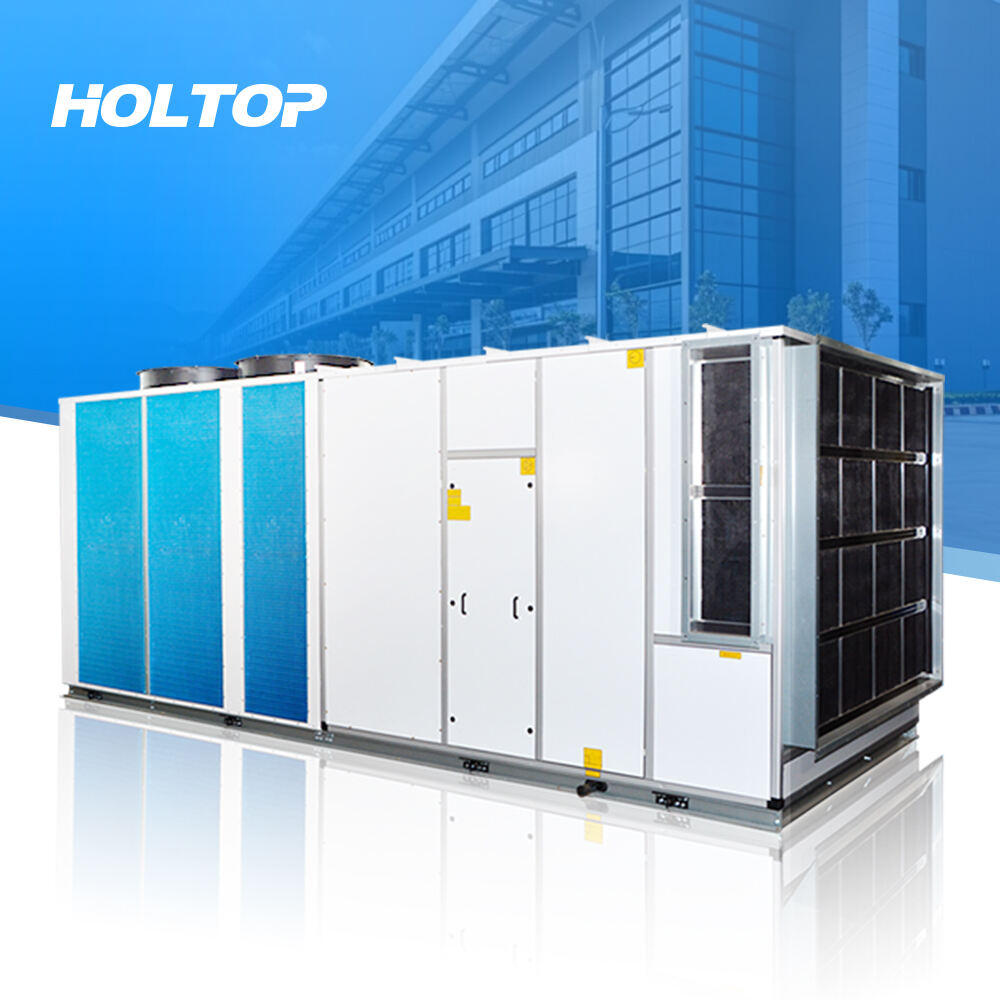
How a Positive Pressure Ventilation System Works
Core Mechanism: Generating and Sustaining Controlled Airflow
Positive pressure ventilation systems, commonly called PPVs, work by blowing conditioned air into buildings with powerful fans until the inside pressure becomes greater than what's outside. When this happens, fresh air naturally flows in while pushing out smoke, heat, and all sorts of bad stuff through specific exhaust spots we've already set up. What makes these systems so effective is how fast they can swap out dirty air for clean, keeping conditions safe enough for firefighters to do their job or helping manage moisture problems over time in HVAC setups. For any PPV to actually work well, there are basically three things that need to line up just right. First, where exactly those fans get placed matters a lot compared to where people enter and where the exhaust vents are located. Second, the amount of air moving through needs to beat whatever naturally leaks out of the building anyway. And finally, those exhaust paths have to be clear and straightforward without anything blocking them.
Positive vs. Negative vs. Balanced Pressure Ventilation
Getting to grips with how different ventilation methods work makes all the difference when it comes to choosing the right system for a job. With positive pressure ventilation, fresh air gets forced into a room which then flows outwards naturally. On the flip side, negative pressure systems suck air out of spaces, creating lower pressure inside that pulls unwanted stuff towards the exhaust vents. Then there's balanced ventilation where both supply and exhaust fans work together hand in hand to keep pressure levels pretty much even while still swapping out stale air for fresh at manageable speeds. These basic but important distinctions matter a lot depending on what exactly needs ventilating.
| System Type | Airflow Direction | Primary Use Cases | Risk Considerations |
|---|---|---|---|
| Positive Pressure | Forced inward – outward | Firefighting smoke clearance, HVAC contaminant exclusion | Over-pressurization structural stress |
| Negative Pressure | Exhausted outward – inward | Industrial fume extraction, lab contaminant containment | Airborne contaminant pull-through |
| Balanced Ventilation | Equal inflow & outflow | Commercial buildings requiring strict air quality | Complex airflow balancing |
PPV stands apart in emergency response: its unidirectional, outward-flowing air stream actively purges hazards without drawing them through wall penetrations—a key safety advantage over negative systems.
Key Applications of Positive Pressure Ventilation Systems
Firefighting: Rapid Smoke Clearance and Safe Egress Path Creation
PPV systems make a real difference in fire operations when it comes to reducing hazards quickly. When these systems create controlled overpressure inside buildings, they push out smoke and dangerous gases through specific exit points. The results are impressive too many reports show around 90% of smoke can be cleared from a space within just five minutes after turning on the system. Better visibility means firefighters can navigate more safely while also creating safe escape routes for people still inside. Smoke inhalation remains the biggest killer in fires according to NFPA research from last year. Getting this stuff out fast saves lives. But timing matters a lot. Firefighters need to confirm where exactly the fire is burning before deploying PPV equipment. They also have to work on making sure there's somewhere for all that smoke to go. Proper setup prevents backdraft situations because the continuous outward airflow keeps oxygen levels low near any remaining fuel sources that might ignite unexpectedly.
HVAC: Building Pressurization for Moisture Control and Contaminant Exclusion
In commercial and institutional HVAC systems, keeping a positive pressure inside buildings usually around 0.02 to 0.05 inches water column serves as a kind of invisible shield against outside contaminants getting in. When there's this gentle push of air outward, it stops things like moisture, dirt particles, pollen, and various pollutants from sneaking through cracks and gaps in the building envelope. This is really important for places where air quality matters a lot, think labs, drug storage facilities, and those super clean manufacturing spaces. The benefits go beyond just cleaner air too. This method actually helps prevent that annoying condensation between walls which leads to mold growth and rot over time. Studies show it can cut down on dust and particle entry by about 80 percent when compared to regular buildings with no pressure control. Plus, there's another perk nobody talks about much these days the system saves money on heating and cooling costs because less conditioned air escapes through random leaks and gaps.
Critical Safety and Operational Considerations
Avoiding Flashover in Ventilation-Limited Fires
Flashover happens when basically everything flammable catches fire at once, and it tends to occur most often in fires where air movement is restricted. According to data from NFPA in their 2023 report, around three quarters of all flashover cases happen under these conditions. When positive pressure ventilation gets introduced without proper planning, temperatures can spike past 1,100 degrees Fahrenheit real quick because fresh oxygen gets fed directly to the smoldering materials. Firefighters need to take several precautions here. First thing first, they should find exactly where the main fire is burning before turning on those PPV fans. Then create exhaust routes that don't lead back towards people who might still be inside or anyone needing rescue. Thermal imaging equipment becomes essential for checking how hot things are getting up near the ceiling layers. Following these basic safety measures makes sure that PPV actually helps put out the fire instead of making things worse.
Risks of Over-Pressurization and Mitigation Strategies
When buildings experience too much internal pressure, several problems can occur. Windows might pop out, doors get stuck shut, the building envelope gets damaged, and HVAC systems just stop working properly. To deal with this issue, there are some effective approaches worth considering. First off, pressure relief vents should be installed with a minimum size equal to around 15% of what the system supplies overall. Second, variable speed PPV fans work best when connected to pressure sensors that update constantly. And don't forget those quarterly checks on how hard it takes to open doors after all that pressure buildup, aiming for no more than 30 pounds of force needed. Looking at data from FM Global's latest report on facility performance in 2024, buildings that adopted these practices saw a dramatic drop in problems caused by pressure issues - down by nearly two thirds according to their findings.
Performance Specifications and Selection Criteria for PPV Fans
Picking out the correct positive pressure ventilation fan requires matching up technical specs with what's actually needed for the job at hand. The airflow rate measured in cubic feet per minute tells us how fast a fan can push out smoke or replace bad air, which really matters when dealing with big fire scenes. Static pressure refers to how well a fan fights against stuff getting in its way like closed doors, building ductwork, or other obstacles inside structures. Most fans handle between 0.1 and 1 inch of water gauge pressure. If there isn't enough static pressure, the fan just won't do much good in tight spaces or buildings that are pretty sealed off. When it comes to lasting power, we absolutely need industrial strength motors rated at least 1.5 horsepower to handle heat buildup during long operations. Plus, fans need tough outer shells that resist damage and coatings that won't rust away no matter where they're used. And let's not forget about noise levels either. For work inside buildings or during training sessions, keeping sound under 85 decibels helps prevent permanent hearing loss among firefighters who spend hours around these machines.
Key selection criteria include:
- Application Scope: Large-scale fire response prioritizes high CFM (>30,000) and rapid deployment; HVAC pressurization emphasizes stable, low-fluctuation pressure delivery.
- Portability & Setup: Weight, wheel configuration, and modular assembly affect field readiness and crew fatigue.
- Power Source: Electric fans provide quiet, emissions-free operation indoors; gas-powered units deliver higher portability and power for remote or outdoor use.
- Environmental Resistance: Sealed electronics, stainless-steel hardware, and marine-grade coatings are essential for coastal, chemical, or high-humidity exposure.
Overspecification increases cost and complexity without proportional benefit; underspecification jeopardizes life safety and system efficacy. Optimal selection balances airflow capacity, pressure tolerance, durability, and contextual adaptability.
FAQs
Q: What is a positive pressure ventilation system?
A: A positive pressure ventilation (PPV) system works by forcing conditioned air into a building until the internal pressure is higher than the external pressure, helping to clear smoke, heat, and contaminants.
Q: How does PPV differ from negative and balanced pressure systems?
A: PPV forces fresh air inward, while negative pressure systems remove air from spaces, creating a vacuum effect. Balanced systems maintain equal inflow and outflow, better for commercial settings requiring strict air quality.
Q: What are the key applications of PPV?
A: PPVs are primarily used in firefighting for smoke clearance and in HVAC systems to maintain positive pressure for controlling moisture and excluding contaminants.
Q: What critical safety considerations are there when using PPVs?
A: Key considerations include avoiding flashover in fires by planning airflow properly and managing the risks of over-pressurization to prevent structural damage.
Q: What factors should be considered when selecting a PPV fan?
A: Important selection criteria include airflow rate, static pressure capabilities, motor durability, environmental resistance, portability, and power source compatibility for the environment where it will be used.