 EN
EN

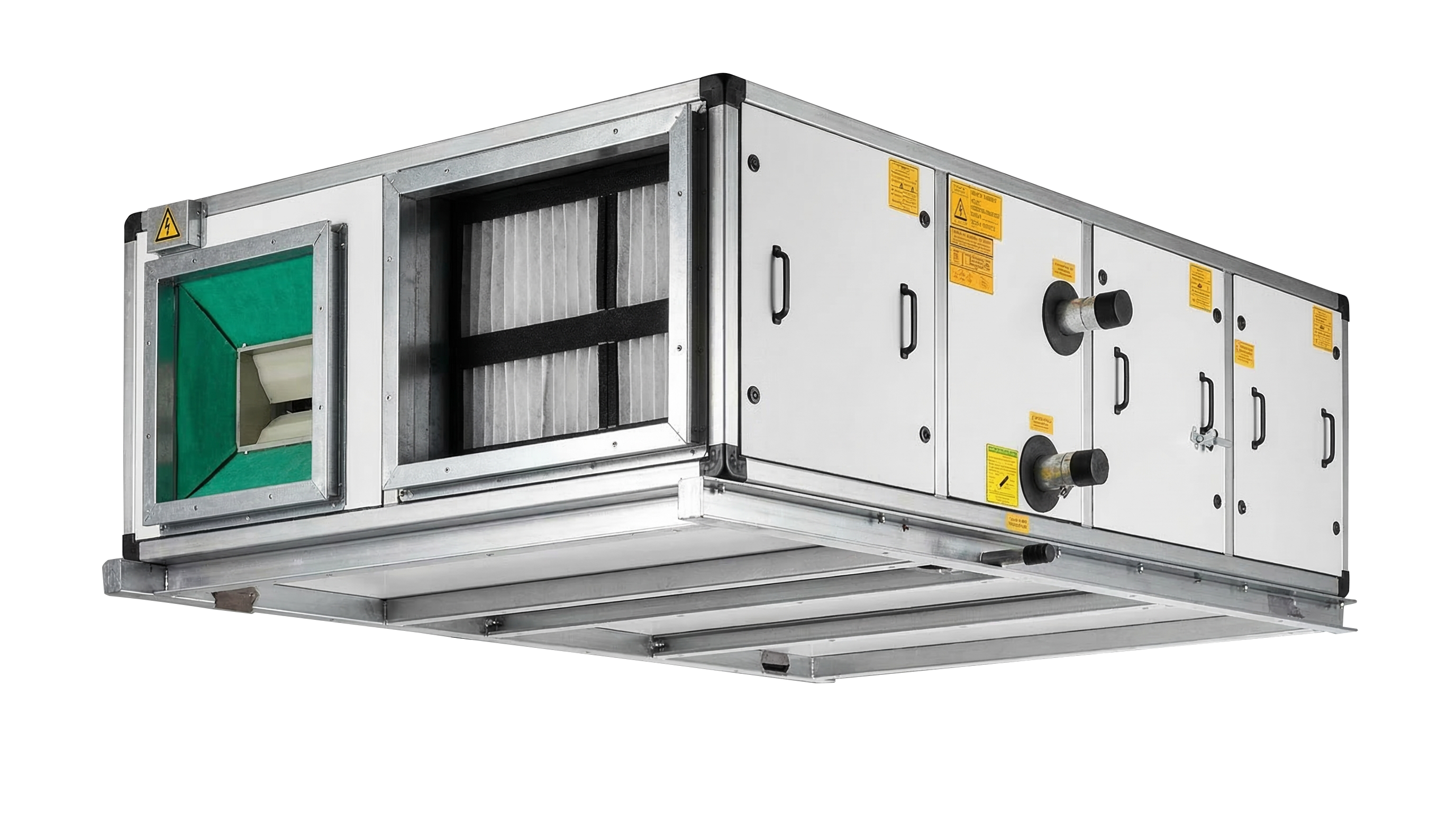
Core Functional Differences: Centralized Air Handling vs. Localized Air Tempering
How AHUs Condition, Filter, and Distribute Fresh Air Across Entire Buildings
Air Handling Units, or AHUs, are basically the heart of most commercial building HVAC systems. These units pull in outside air, run it through several layers of filters that catch around 90% of dust and particles, then either warm or chill the air using different coil systems. Once treated, this air gets pushed through long networks of ducts at impressive speeds, sometimes over 10,000 liters per second in medium sized office towers. What sets AHUs apart from smaller spot systems is their ability to keep buildings properly pressurized while maintaining strict climate control conditions. Most modern installations can hold temperatures within just one degree Celsius and humidity levels within five percent across every part of the building. Because they meet tough ASHRAE ventilation standards, these systems are practically indispensable in places where air quality literally saves lives, such as medical facilities and research labs where even minor fluctuations could spell disaster.
How FCUs Recirculate and Temper Room Air Without Ventilation Integration
Fan Coil Units (FCUs) represent compact, localized solutions for adjusting indoor temperatures by recirculating and conditioning the air already present in a space rather than bringing in outside air. Most often installed in ceilings or hidden within walls, these units pull air through simple mesh filters before passing it over either chilled or heated water coils. The absence of external air intake means FCUs can adjust room temperatures approximately 30 to 40 percent quicker compared to traditional central HVAC systems, though they don't handle humidity regulation or air replacement at all. When it comes to noise levels, most FCUs operate between 35 and 45 decibels, making them suitable for environments where quiet matters, such as hotel guest rooms or office spaces. But here's the catch: since FCUs don't include built-in ventilation capabilities, they absolutely depend on other systems to bring in fresh air. Without proper ventilation support, carbon dioxide concentrations can easily surpass dangerous thresholds around 1000 parts per million in crowded spaces or buildings with inadequate airflow management.
Physical and Performance Trade-offs: Size, Capacity, Noise, and Lifecycle Cost
When looking at HVAC systems, the choice between AHUs and FCUs comes down to several important factors including size, capacity, noise levels, and what it will cost over time. Air Handling Units work well with central duct systems which makes them great for big spaces, but they need a lot of room to install and proper infrastructure throughout the building. Fan Coil Units take up less space and can be placed in specific zones within a structure without needing extensive ducting, although this means they recycle air locally rather than bringing in fresh outside air as efficiently. The money side tells another story too. AHUs generally cost more initially because of their complicated setup, but tend to save money on energy bills in the long run when used in larger facilities. On the flip side, FCUs might seem cheaper at first glance since there's less equipment involved, but keeping all those separate units running smoothly can actually lead to higher maintenance costs down the road.
AHU Scalability and Ducted Efficiency vs. FCU Compactness and Zonal Flexibility
Air Handling Units (AHUs) are really good at scaling up operations since they distribute conditioned air throughout large spaces like commercial buildings over 10,000 square feet using duct systems that save energy when operating at full capacity. The main advantage of this central system is lower energy costs per unit area, though it does need special mechanical rooms which can take up around 20% of available floor space during building upgrades. Forced Air Units (FCUs) work differently by delivering temperature controlled air locally from smaller units that fit nicely into ceiling cavities or beneath window sills. These compact systems allow separate climate control for individual rooms starting from about 200 square feet each. While FCUs make sense for quick installations during property renovations, they don't integrate airflow as well as AHUs do, which might lead to moisture problems in areas where ventilation is limited. There are several important considerations worth noting here:
- Space Efficiency: FCUs reduce spatial demands by 30–50% compared to AHU setups.
- Zoning Flexibility: FCUs allow per-room control, cutting energy waste by 15–25% in partial-load scenarios.
- Ductwork Impact: AHUs leverage ducts for uniform air delivery and enhanced filtration—but add 10–20% to installation timelines.
Quantitative Benchmarks: Airflow (L/s), Cooling Capacity (kW), and Sound Pressure Levels
Looking at performance numbers shows some pretty big gaps between these systems. Air Handling Units (AHUs) can move air at rates from around 1,000 to 5,000 liters per second and have cooling power ranging between 50 and 300 kilowatts. These specs make them perfect for places with heavy demands such as concert halls or server rooms where temperature control is critical. Fan Coil Units (FCUs), on the other hand, work on much smaller scales typically handling airflow between 50 and 200 liters per second with cooling capacities from just 2 to 20 kW each unit. They fit better in tighter spaces like office cubicles or hotel bedrooms where space matters more than sheer power. When it comes to noise, there's a noticeable difference too. Untreated AHUs can get quite loud reaching sound levels of 60 to 70 decibels while FCUs stay relatively quiet under 50 decibels which makes all the difference in areas where people need to concentrate or rest. From a money perspective, AHUs tend to save about 20 to 30 percent on running costs when installed across big facilities. FCUs cut initial investment costs by roughly 15 to 25 percent during renovations but come with higher maintenance needs since they're spread out throughout buildings rather than centralized like AHUs.
Application Fit: Matching HVAC AHUs vs FCUs to Building Type and Operational Needs
When to Choose AHUs: High-ventilation Environments (Hospitals, Labs, New Construction)
When it comes to spaces where air quality matters most, Air Handling Units (AHUs) tend to be the go-to choice, especially where there's a need for lots of fresh air circulation. Hospitals and research labs typically need around 12 to 15 complete air changes every hour just to keep pathogens and harmful chemicals at bay. AHUs handle this pretty well thanks to their built-in duct systems, central HEPA filters, and ability to fine tune humidity levels. For buildings going up now, these units work great on big open spaces too, keeping temperatures and moisture levels stable across entire floors. Plus, when paired with energy recovery ventilators, they can actually cut down on running costs significantly in areas needing constant ventilation. These systems recover roughly 60 to 80 percent of heat from outgoing air, which not only saves money but also meets those tough ASHRAE 90.1 standards and local building codes.
When to Choose FCUs: Retrofit Projects, Hotel Rooms, and Spaces Requiring Independent Zoning
Fan coil units, or FCUs, really shine when installing ductwork just isn't feasible or would break the budget. Take those old buildings needing upgrades or tight spaces in city centers. FCUs work around these issues by running water pipes through existing plumbing chases rather than requiring all those big ducts that eat up space. The way these systems operate independently makes them perfect for places like hotel rooms or office spaces shared by multiple tenants. People want control over their own environment, so being able to adjust temperatures zone by zone matters a lot for keeping everyone happy and giving building managers more options. Another thing about FCUs worth mentioning is how they recycle the air already in the room instead of pulling in outside air. This means buildings need less mechanical room space overall, cutting down requirements by roughly 40% compared to traditional air handling units. Plus, this setup allows certain areas to stay comfortable even after regular business hours without messing with the overall layout of the building.
FAQs
What are the main differences between AHUs and FCUs?
AHUs are designed for central air distribution, filtering, and conditioning, ideal for large buildings needing ventilation. FCUs focus on localized temperature control without external ventilation, facilitating quicker temperature adjustments in smaller zones.
Why might a facility choose AHUs over FCUs?
Facilities requiring stringent air quality control, such as hospitals and labs, benefit from AHUs for their capability of handling high ventilation demands and maintaining precise climate settings across large areas.
In what scenarios are FCUs most beneficial?
FCUs are advantageous in retrofit projects, hotels, and spaces requiring individualized zoning, where duct installation is challenging or cost-prohibitive.
How do AHUs and FCUs compare in terms of cost efficiency?
AHUs generally have a higher initial cost but save on long-term energy costs, especially in large facilities. FCUs are cheaper initially but may incur higher maintenance due to their decentralized nature.