 EN
EN

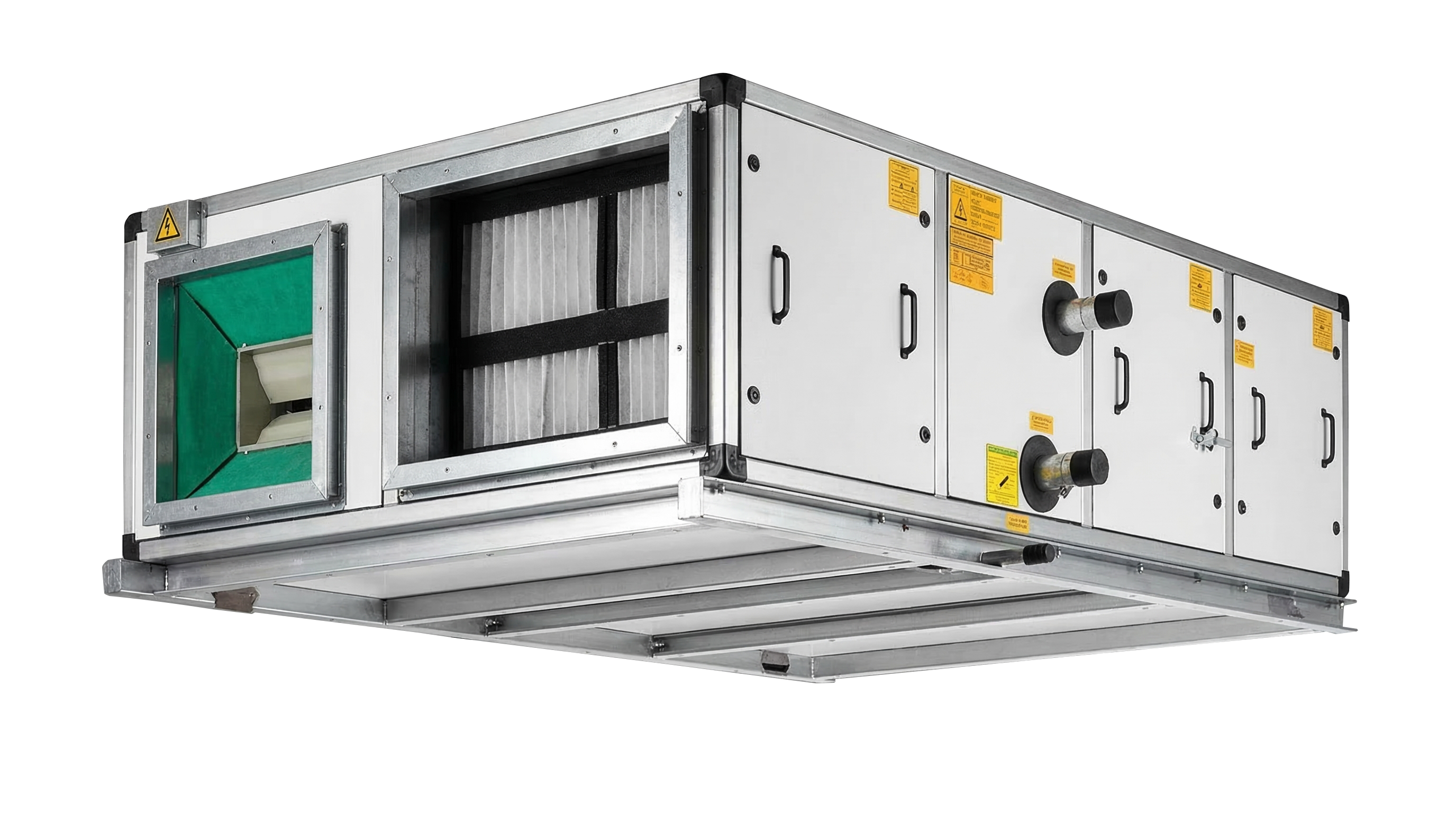
ASHRAE 170–Driven Ventilation and Pressure Cascade Requirements
Minimum Air Changes per Hour (ACH) by Clinical Zone: Exam Rooms, Procedure Suites, and Waiting Areas
Outpatient clinic HVAC requirements mandate specific air changes per hour (ACH) to control airborne contaminants. ASHRAE 170 establishes minimum ACH rates based on infection risk:
- Exam rooms: 6 ACH minimum to dilute pathogens from symptomatic patients
- Procedure suites: 15 ACH minimum for invasive operations where aerosol generation occurs
- Waiting areas: 4 ACH minimum for general occupancy spaces
Higher-risk zones require increased air exchange to remove airborne particles efficiently. For example, orthopedic procedure rooms need 30% more air changes than standard suites due to surgical smoke. Facilities must verify ACH quarterly using calibrated airflow meters, as under-ventilation increases infection transmission risks by up to 40% (CDC 2023).
Pressure Differential Protocols: Maintaining Safe Airflow from Public to Restricted Zones
Directional airflow prevents cross-contamination through pressure cascades. ASHRAE 170 requires:
- +2.5 Pa minimum in procedure rooms relative to corridors
- -2.5 Pa minimum in airborne infection isolation rooms
- Neutral pressure (±0.5 Pa) in waiting areas
Maintaining this hierarchy ensures air flows from clean to less-clean zones. Critical barriers between public and restricted areas need 0.01-inch water gauge differentials, verified monthly with digital manometers. Automatic door closers and airtight construction are essential, as a single door opening can disrupt pressure for 15 minutes.
Infection Control–Focused HVAC Design for Outpatient Settings
HEPA Filtration and Localized Airflow Balancing in High-Risk Procedure Spaces
HEPA filters are really good at trapping tiny particles, capturing about 99.97% of stuff that's 0.3 microns or bigger, which makes them essential for keeping germs under control in outpatient procedure rooms where patients come and go. According to ASHRAE standard 170, these spaces need at least 12 air changes per hour, plus a minimum of two of those changes should come from fresh outside air to help thin out contaminants. When technicians balance the airflow locally, they create pressure differences that keep the clean air moving in the right direction—from the actual treatment areas out into the hallways. This setup stops dirty air from getting back into places where it doesn't belong and helps maintain safer conditions overall.
- Negative pressure differentials (–0.01" water gauge minimum)
- Laminar airflow patterns minimizing turbulence
- Continuous monitoring via pressure sensors
Regular HEPA integrity testing—biannually per industry standards—ensures filters meet efficiency thresholds. In outpatient clinics with space constraints, localized ventilation zones reduce infection risks without structural modifications.
UVGI Integration: Evidence-Based Efficacy Against Ambulatory-Acquired Pathogens
UVGI systems work against germs by messing with their DNA and RNA using that special 254 nm UV-C light wavelength. When installed properly, upper room UVGI creates these invisible cleaning zones high above where people sit, cutting down on flu and cold viruses floating around waiting rooms by almost 90%. Another setup for buildings is in-duct UVGI which works alongside those HEPA filters we all hear so much about lately. These systems basically zap bacteria and other nasties right there in the air ducts before they get blown back into offices and homes. There are several things that determine how well these systems actually perform though.
| Factor | Requirement | Impact |
|---|---|---|
| Exposure time | ≥0.25 seconds | Inactivates 99% of viral loads |
| UV intensity | 30–50 µW/cm² | Penetrates bioaerosols effectively |
| Lamp maintenance | Quarterly cleaning | Prevents output degradation |
Clinical studies confirm UVGI reduces ambulatory-acquired infections when combined with ≥6 ACH ventilation, particularly in high-traffic zones like registration areas. Proper shielding prevents occupant exposure while maintaining continuous disinfection.
Zoned HVAC Architecture Aligned with Infection Risk and Functional Use
Zoned HVAC systems in outpatient clinics separate airflows according to infection risks and what each area actually needs. The really high risk spots like surgery rooms that need positive pressure get kept away from places such as waiting areas where people just hang out. According to ASHRAE standards, this kind of separation works pretty well at stopping germs from spreading between different parts of the building. Studies show it can cut down on cross contamination problems by around half. When designing these zones, engineers look at what happens clinically day to day. Rooms for things like bronchoscopy procedures require special exhaust systems and HEPA filters, whereas regular office spaces can get by with standard ventilation. Following the latest guidelines from FGI 2022 means focusing extra attention on air changes per hour and filtration quality wherever vulnerable patients are treated. Research published in AJIC back in 2022 found that facilities using this risk based zoning approach saw their infection rates drop by nearly two thirds compared to those with basic HVAC setups. Beyond meeting all the necessary requirements for outpatient settings, these systems can actually adjust themselves during flu season or other outbreaks thanks to smart dampers and pressure monitoring devices throughout the building.
Temperature and Humidity Control Standards per Space Type
FGI 2022 and ASHRAE 170 Setpoint Guidance: 68°F–78°F and 30–60% RH by Zone
Outpatient clinics need really careful control of temperature and humidity levels across different areas. According to both the Facility Guidelines Institute's 2022 update and ASHRAE Standard 170, most spaces should stay between 68 and 78 degrees Fahrenheit with relative humidity somewhere around 30 to 60 percent. But there are exceptions depending on how risky certain areas are for infections and what they actually get used for. For instance, procedure rooms have much stricter requirements - typically keeping things at around 72 degrees plus or minus 2 degrees, and humidity levels right around 50% give or take 5%. Waiting areas can handle wider fluctuations though. These guidelines, which about 42 states have adopted into their regulations, help stop problems like condensation forming, microbes growing unchecked, and patients feeling uncomfortable from extreme temperatures. When clinics don't follow these rules properly, studies show infection rates can jump as high as 40% higher than normal. That's why creating proper zones within the building remains such a fundamental part of making sure outpatient facilities maintain safe environments.
FAQ
- What is the purpose of minimum air changes per hour (ACH) in medical facilities? Minimum ACH is designed to control airborne contaminants by ensuring sufficient air exchange to dilute and remove pathogens, reducing infection risks.
- How do pressure differentials help maintain a safe environment in outpatient clinics? Pressure differentials prevent the flow of air from less-clean to cleaner zones, thus preventing cross-contamination and ensuring a safer environment.
- What are HEPA filters, and why are they important in medical settings? HEPA filters trap particles as small as 0.3 microns, capturing about 99.97% of airborne contaminants, which is critical for germ control in procedure rooms.
- How does UVGI technology contribute to infection control? UVGI uses UV-C light to disrupt the DNA/RNA of germs, effectively reducing airborne pathogens and ensuring cleaner air in medical environments.
- What are the recommended temperature and humidity levels according to ASHRAE 170 and FGI 2022? Recommended temperature ranges between 68°F and 78°F with relative humidity between 30% and 60%, depending on the area's infection risk and use.