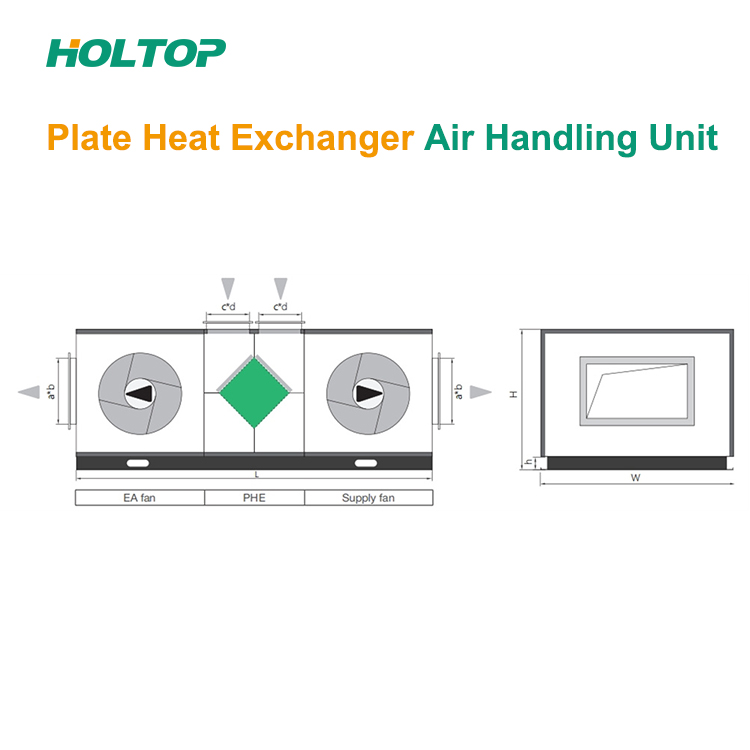
In modern architectural design and HVAC engineering, space efficiency has become a core indicator for evaluating ventilation solutions. A ceiling-mounted fresh air unit stands out as a space‑optimized ventilation system, perfectly solving the contrad...
VIEW MORE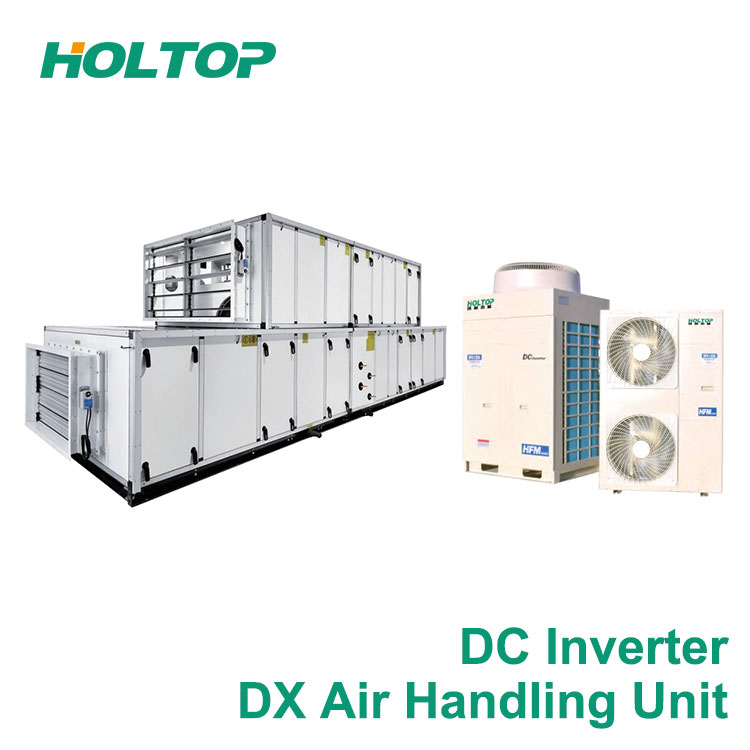
Space Efficiency: How Vertical Fresh Air Handling Units Maximize Compact Mechanical Areas Reducing Floorprint by Up to 42% vs. Horizontal AHUs Vertical Fresh Air Handling Units (FAHUs) save a lot of space because they stack components on top of each ...
VIEW MORE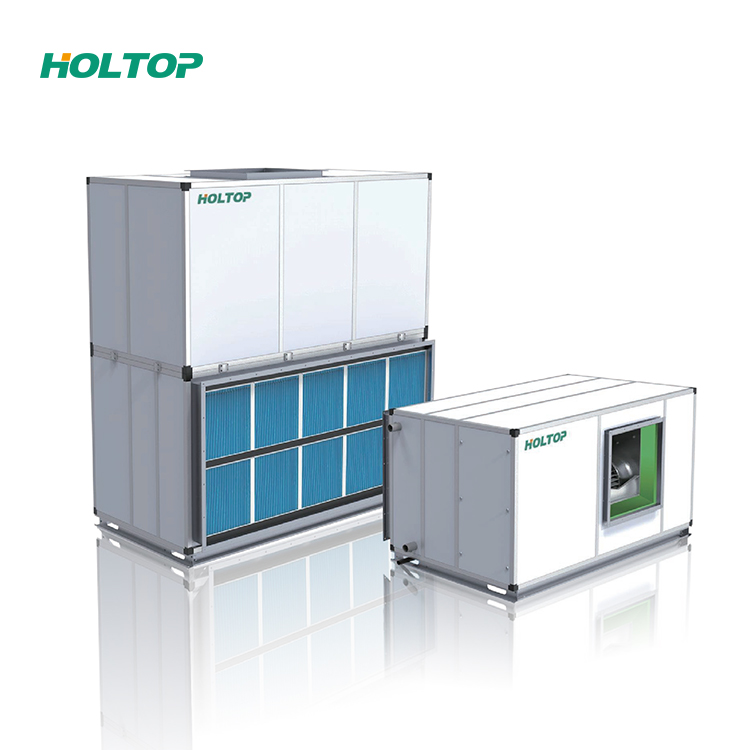
How a Makeup Air Unit Restores Pressure Balance and Replaces Exhausted Air The Depressurization Problem: Why Modern Tight Buildings Need MUA Energy efficient buildings these days are built to keep air from leaking out, which creates tight sealed sp...
VIEW MORE
AHU and MAU: Central Air Handling vs. Dedicated Outdoor Air SystemsHow AHUs Integrate Mixing, Conditioning, and Distribution for Whole-Building HVACThe Air Handling Unit, commonly known as an AHU, acts as the central piece of equipment when dealing w...
VIEW MORE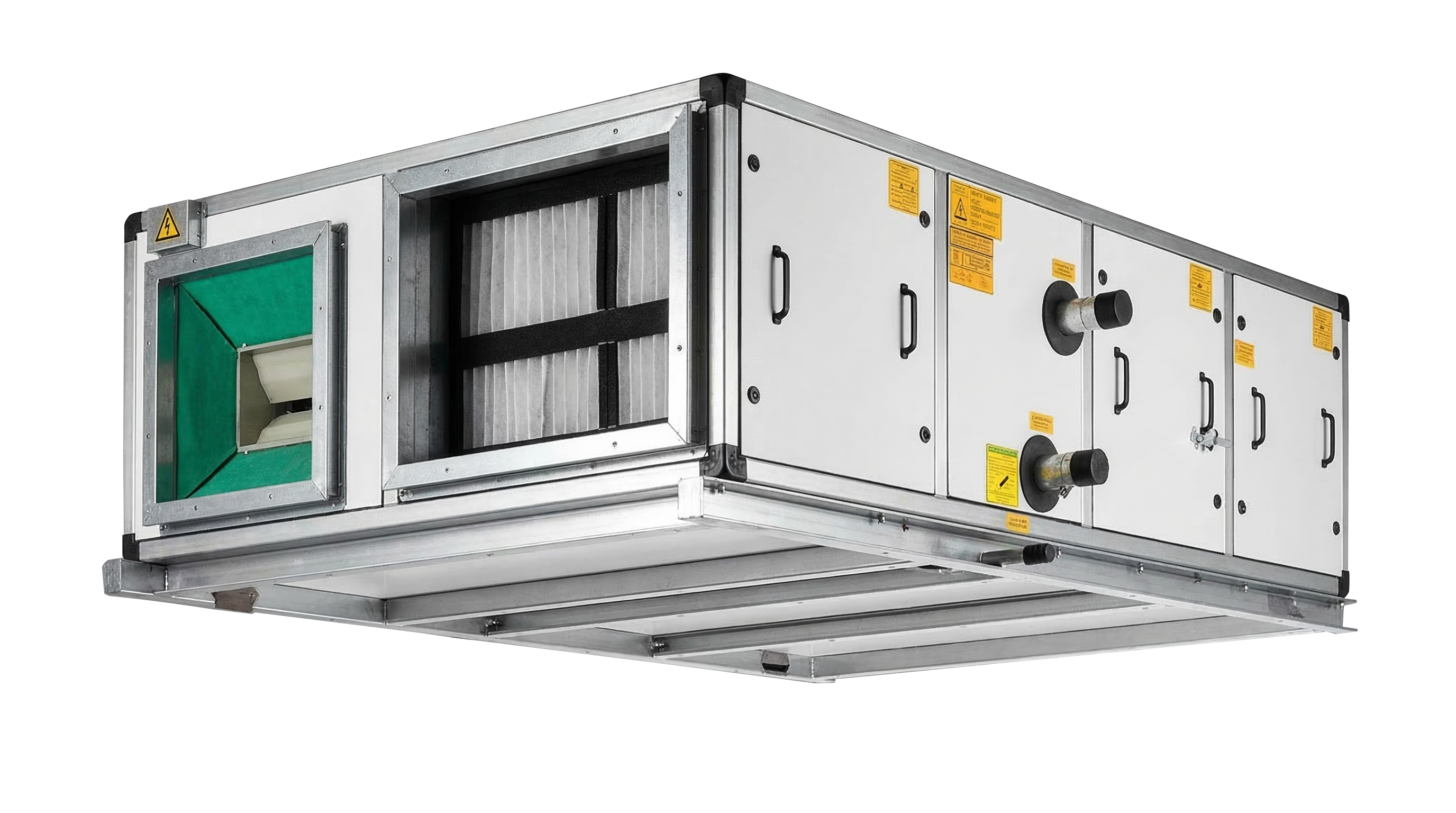
Core Functional Differences: Centralized Air Handling vs. Localized Air Tempering How AHUs Condition, Filter, and Distribute Fresh Air Across Entire Buildings Air Handling Units, or AHUs, are basically the heart of most commercial building HVAC sys...
VIEW MORE
Regulatory Reality: Why Full Overnight Shutdown Violates Core GMP Principles EU GMP Annex 1 (2022) and FDA Guidance on Continuous Environmental Control Environmental controls in GMP clean rooms are not optional but required by regulation. According...
VIEW MORE
Core Operating Principle: How VFD Works in AHU via Frequency-Driven Motor Control The physics of speed control: Synchronous speed dependence on supply frequency (Nâ = 120f/P) Variable Frequency Drives, or VFDs for short, work by changing ho...
VIEW MORE
Why Integrate a HEPA Filter in AHU? Critical Applications and Air Quality Imperatives Healthcare, Pharma, and Cleanroom Requirements Driving Final-Stage HEPA Adoption Hospitals, pharmaceutical manufacturing plants, and those fancy ISO certified cle...
VIEW MORE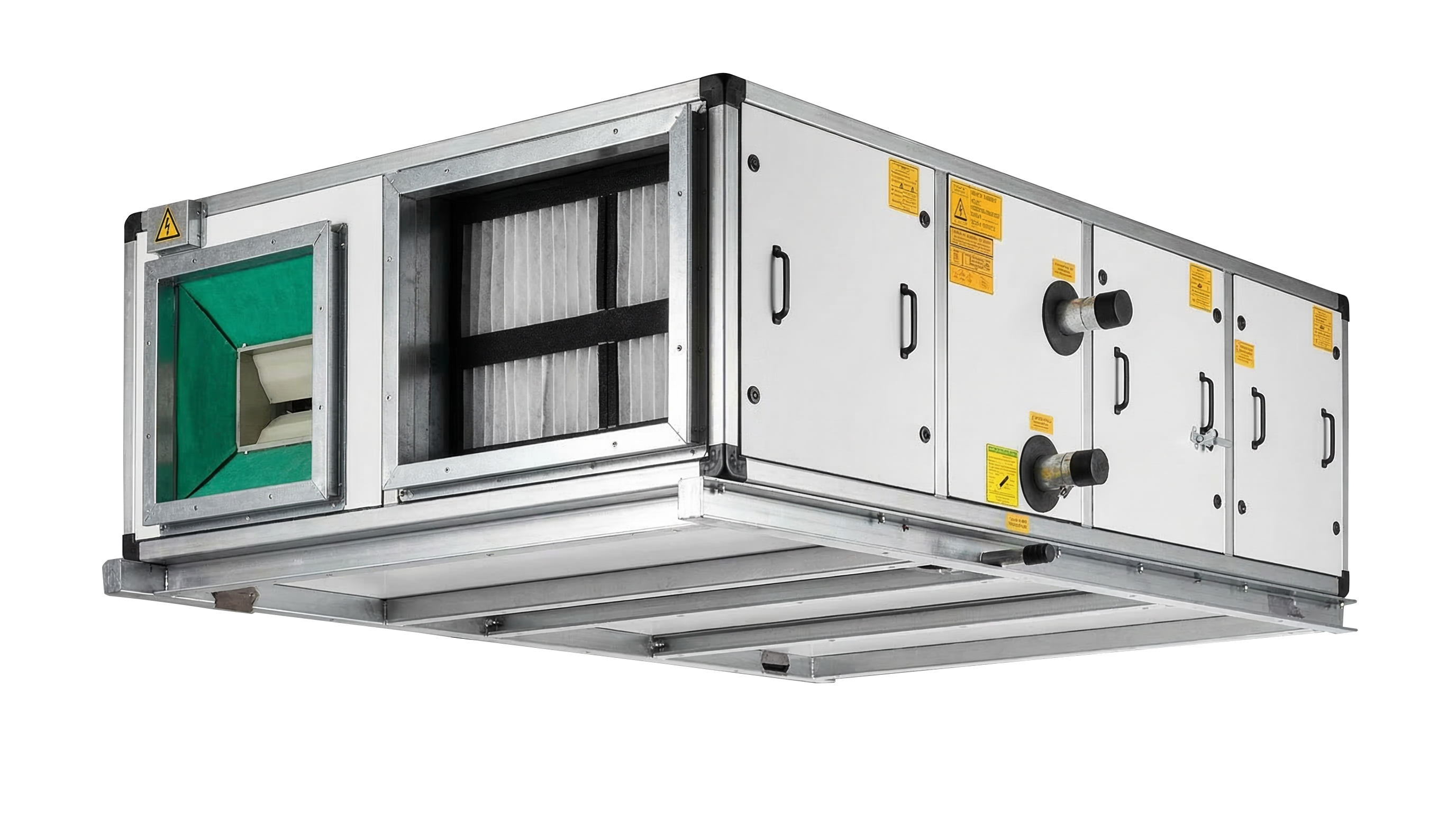
ASHRAE 170–Driven Ventilation and Pressure Cascade Requirements Minimum Air Changes per Hour (ACH) by Clinical Zone: Exam Rooms, Procedure Suites, and Waiting Areas Outpatient clinic HVAC requirements mandate specific air changes per hour (AC...
VIEW MORE
Core Principles of Hospital Operating Room Ventilation Dilution, Filtration, and Directional Airflow as Foundational Strategies Hospital operating rooms today depend on three main approaches for keeping surgical sites free from infection: diluting c...
VIEW MORE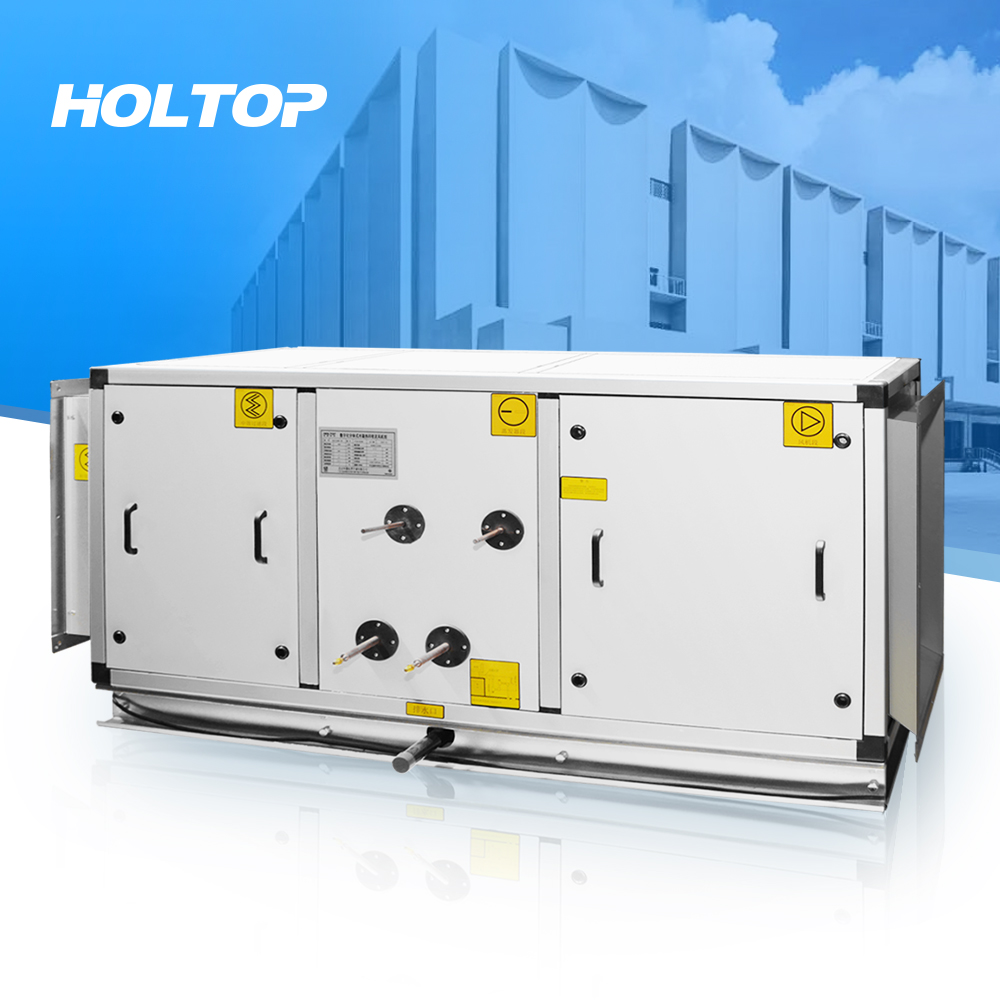
Clinical Rationale for Low ICU Temperature: Neuroprotection, Infection Control, and Evidence-Based TargetsHow Targeted Hypothermia and Fever Suppression Improve Outcomes in Brain-Injured and Sepsis PatientsKeeping ICU temperatures on the cooler side ...
VIEW MORE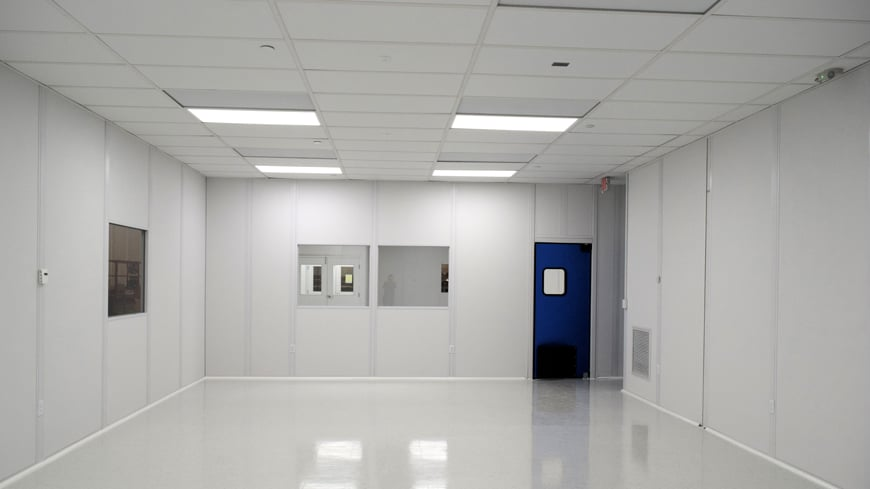
Core Definitions: What Sterile and Clean Rooms Actually Mean Clean Room: Controlled Environment for Particle Reduction (ISO 14644-1 Standards) A clean room is a rigorously engineered space designed to minimize airborne particulate contamination—not m...
VIEW MORE
Copyright © 2025 by Beijing Holtop Air Conditioning Co., Ltd - Privacy Policy
 EN
EN